Solanum sodiroi
NameSolanum sodiroi
Scientific NameSolanum sodiroi
Common NamesSodiro's Nightshade
Plant FamilySolanaceae
Natural HabitatNative to South America, particularly Ecuador and Peru, where it grows in disturbed areas, forest edges, clearings, and secondary vegetation, often at mid-elevations.
Parts Usedleaf
Medicinal Actionsanti-inflammatory, antimicrobial
Traditional UsesSpecific traditional medicinal uses for Solanum sodiroi are not well-documented in readily available ethnobotanical literature. However, other species within the Solanum genus are traditionally used for external applications to address inflammation or skin conditions, often utilizing the leaves.
Active Constituentssteroidal glycoalkaloids
Preparation Methodspoultice
Contraindications & WarningsAll parts of Solanum species, including Solanum sodiroi, are generally considered potentially toxic due to the presence of steroidal glycoalkaloids. Internal consumption is strongly discouraged and can lead to gastrointestinal upset, neurological symptoms, and in severe cases, poisoning. Skin irritation may occur with external contact.
Cultivation NotesThis species is typically found in tropical and subtropical regions. It prefers well-drained soil and can tolerate a range of light conditions, often thriving in disturbed or open areas. Propagation is usually by seed.
Raritycommon
Description
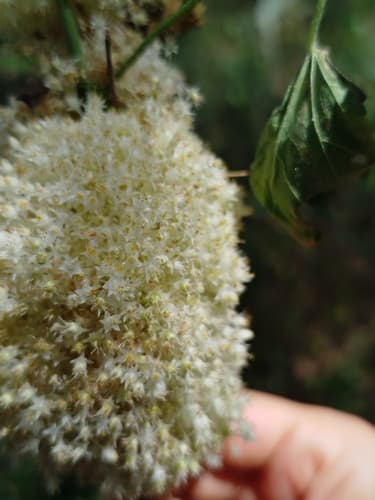
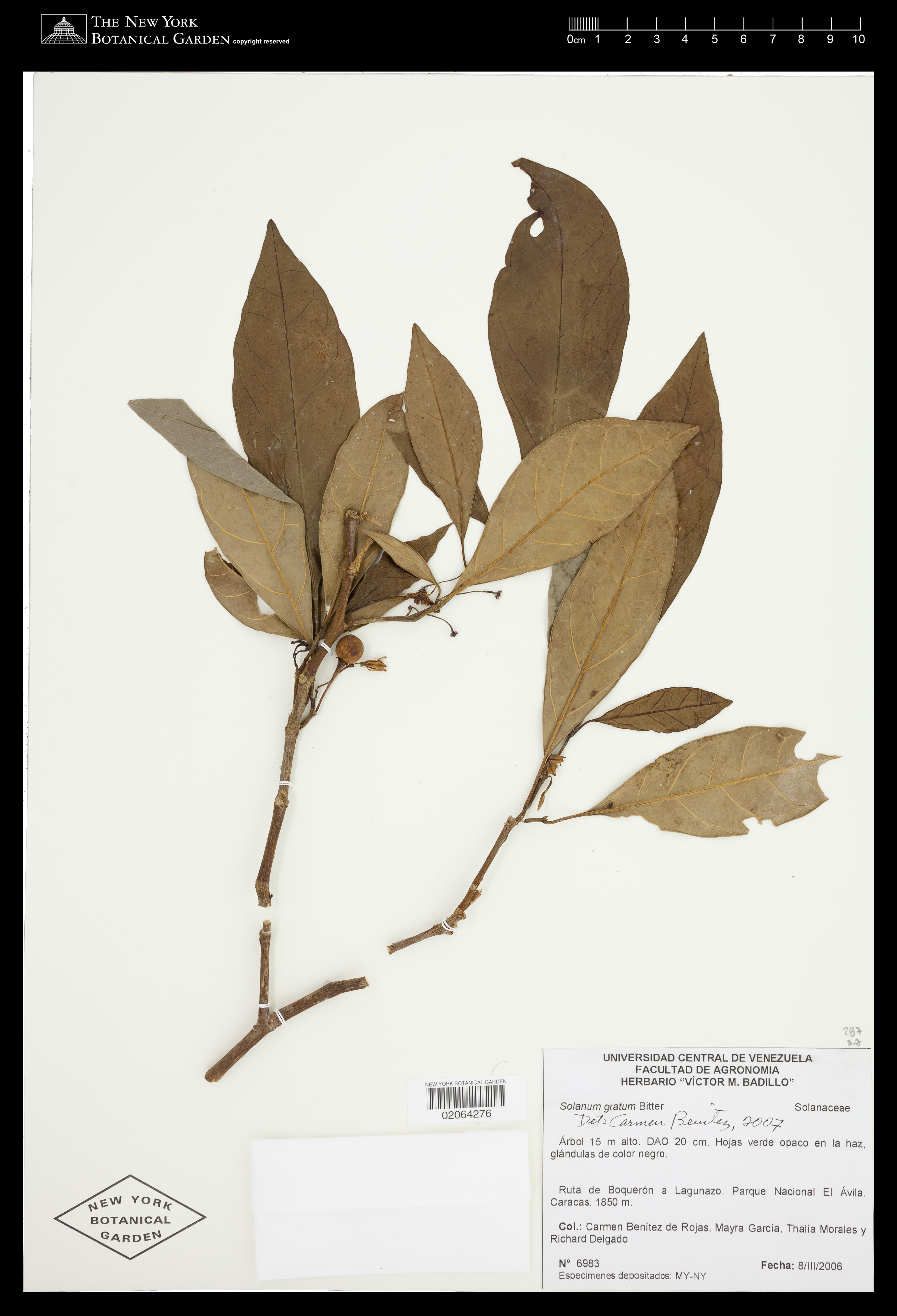
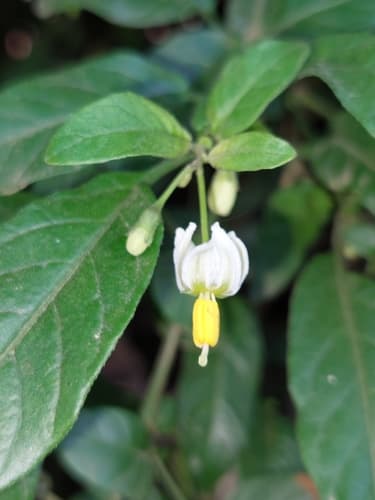
Solanum sodiroi is a shrub or small tree, typically 1-3 meters tall, characterized by simple, ovate to elliptic green leaves. It produces small, white, star-shaped flowers with prominent yellow anthers, followed by globose berries that ripen from green to yellow or orange.