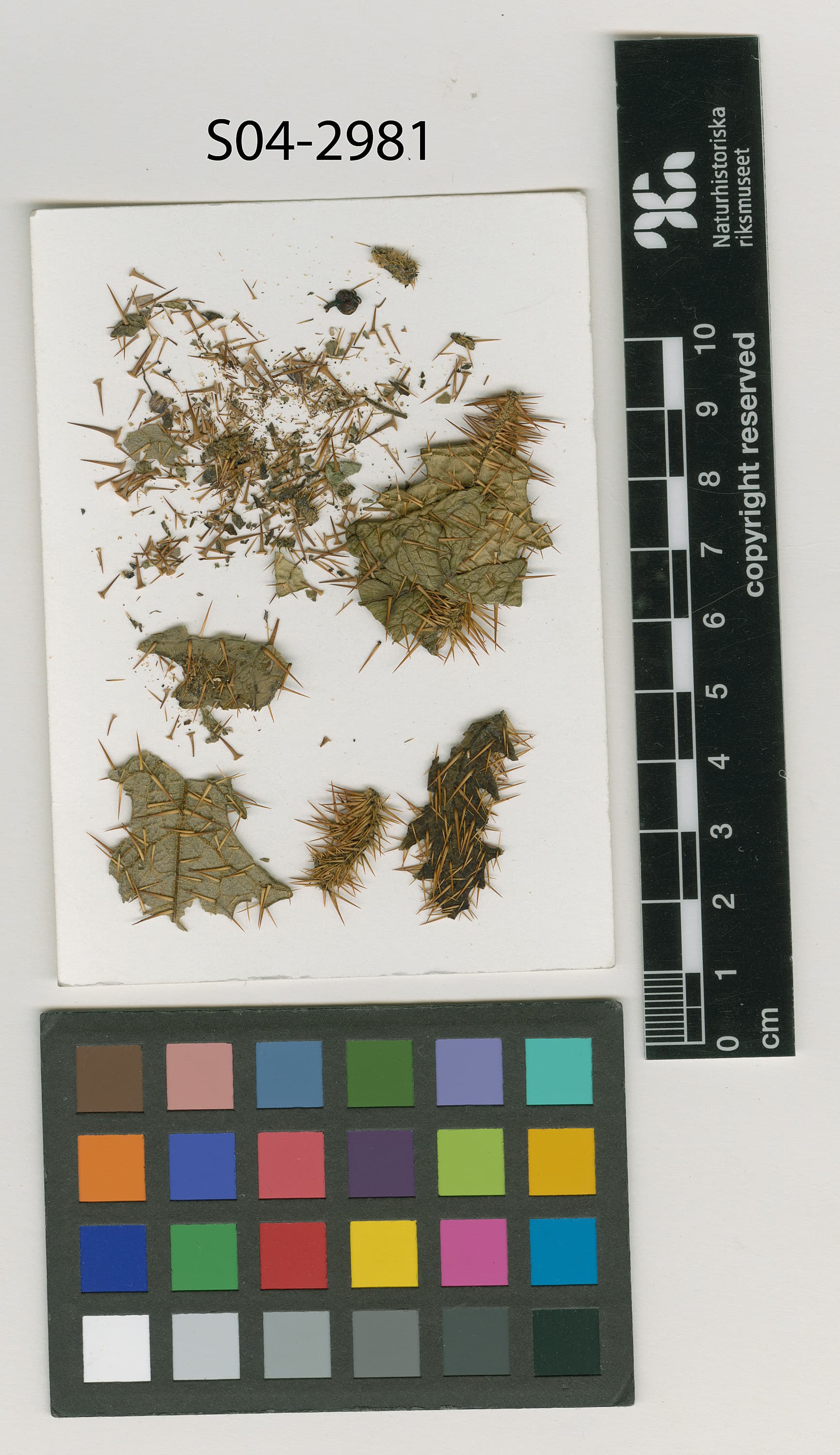
Solanum selleanum
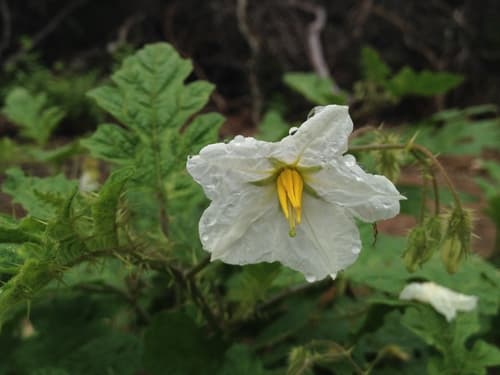
Image: Daniel Andersson (S) (cc-by)
NameSolanum selleanum
Scientific NameSolanum selleanum Urb. & Ekman
Plant FamilySolanaceae
Natural HabitatEndemic to the island of Hispaniola (Haiti and Dominican Republic), typically found in dry forests, scrublands, or rocky slopes, often at higher elevations.
Parts Usedleaf
Traditional UsesNo specific traditional medicinal uses are widely documented for Solanum selleanum. Many species within the Solanum genus are used in traditional medicine, but often with caution due to potential toxicity.
Active ConstituentsSteroidal glycoalkaloids, saponins, flavonoids
Contraindications & WarningsAs with many Solanum species, Solanum selleanum is likely to contain steroidal glycoalkaloids which can be toxic. Ingestion is generally not recommended, and caution should be exercised due to potential toxicity, especially for pregnant or lactating individuals, or those with sensitivities to nightshades.
Cultivation NotesThis species thrives in warm, tropical to subtropical climates with well-draining soil. It requires full sun and is adapted to dry conditions, making it suitable for xeriscaping in appropriate zones.
Rarityvery-rare
Description
Solanum selleanum is a thorny shrub or small tree characterized by densely spiny stems and leaves. Its leaves are typically ovate to elliptic, often lobed, and covered in stellate hairs, with prominent, sharp spines on both surfaces and petioles.