Solanum salamancae
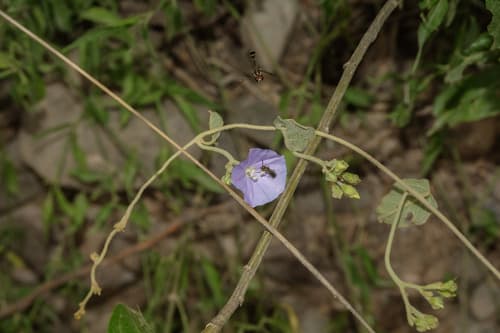
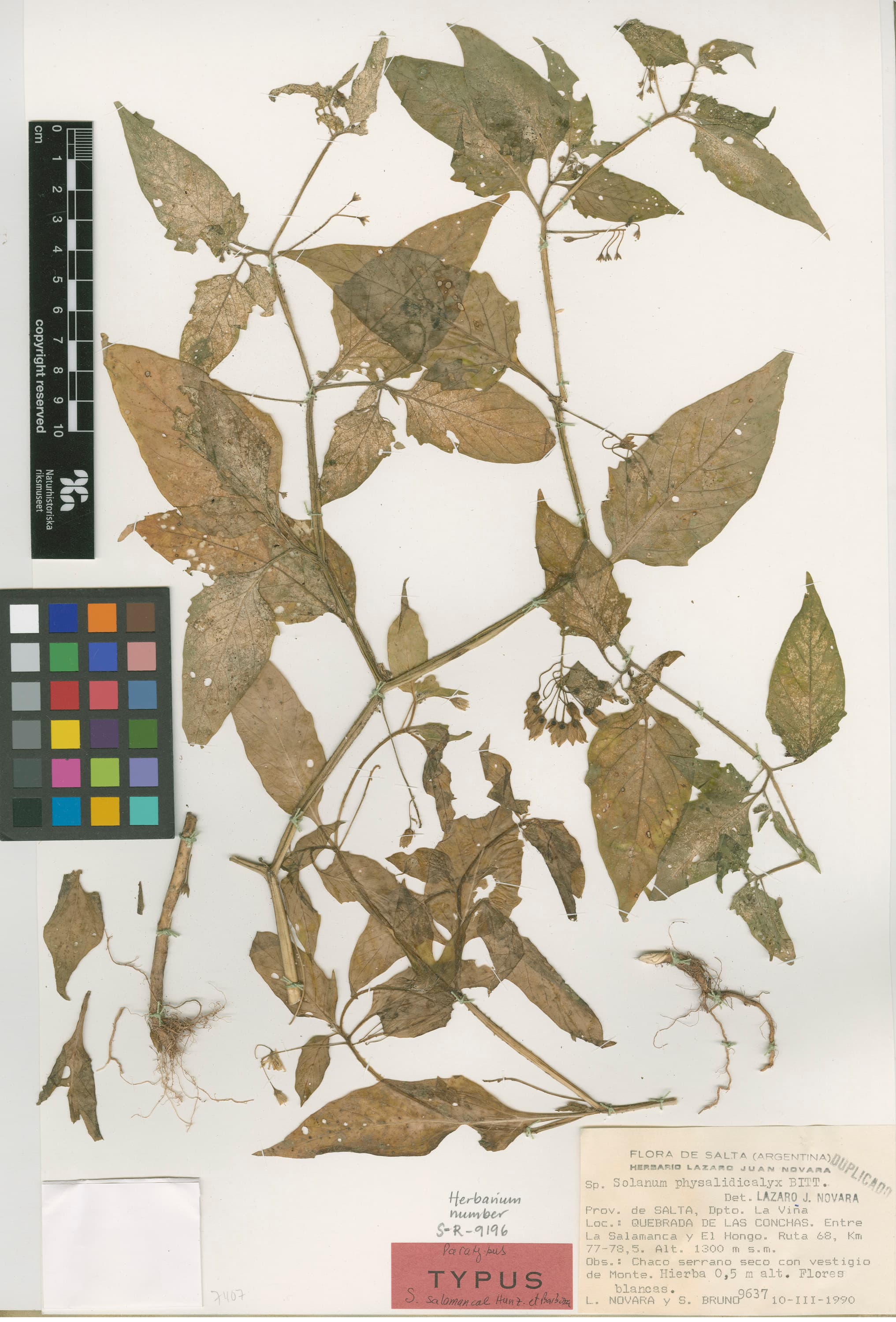
Image: Dick Andersson (S) (cc-by)
NameSolanum salamancae
Scientific NameSolanum salamancae Hunz. & Barboza
Plant FamilySolanaceae
Natural HabitatNative to the dry Chaco serrano region of Salta Province, Argentina, found at altitudes around 1300 meters above sea level, often in areas with remnants of forest.
Parts Used
Traditional UsesThere are no widely documented traditional medicinal uses for *Solanum salamancae*. As a member of the *Solanum* genus, it may contain steroidal glycoalkaloids, which are often toxic, and thus should not be consumed without expert knowledge.
Active Constituentssteroidal glycoalkaloids (potential, based on genus)
Contraindications & WarningsDue to the potential presence of toxic steroidal glycoalkaloids common in the *Solanum* genus, *Solanum salamancae* should be considered potentially toxic. Internal use is strongly contraindicated without specific knowledge and expert guidance. Avoid use during pregnancy, lactation, and in children.
Cultivation NotesThis species likely thrives in well-drained soils, full sun, and dry, high-altitude environments, mimicking its native Chaco serrano habitat.
Rarityuncommon
Description
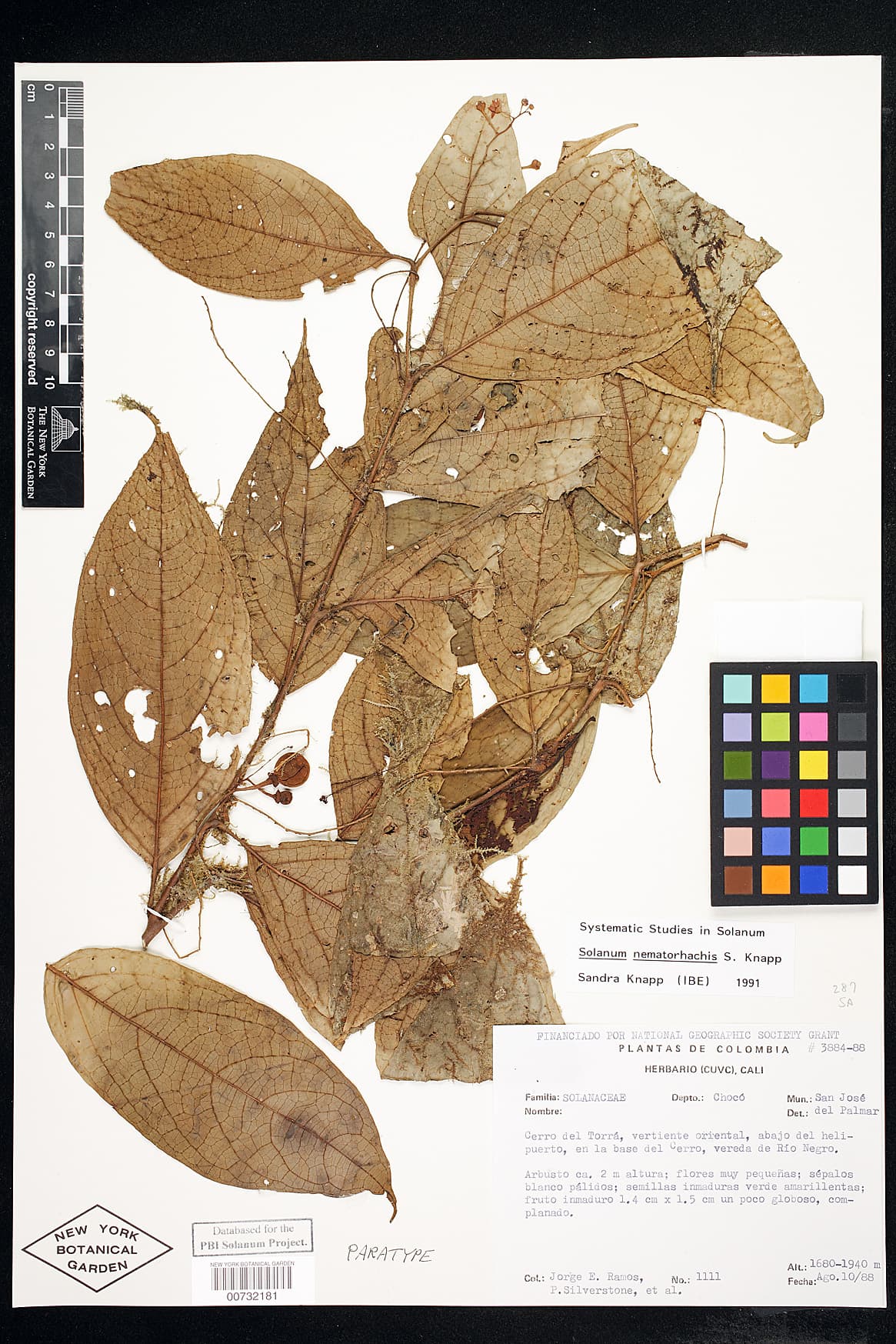
A herbaceous plant, typically growing up to 0.5 meters tall, characterized by alternate, ovate to lanceolate leaves and small white flowers. It produces small berries. This specimen is a dried herbarium sample showing stems, leaves, flowers, and fruits.