Solanum rubetorum
NameSolanum rubetorum
Scientific NameSolanum rubetorum
Common NamesThorny Nightshade
Plant FamilySolanaceae
Natural HabitatNative to arid and semi-arid regions of South America, this plant thrives in dry, rocky soils and disturbed areas, exhibiting strong drought tolerance.
Parts Usedleaf,fruit
Medicinal Actionsanti-inflammatory, antimicrobial, analgesic
Traditional UsesTraditional medicinal uses specifically for Solanum rubetorum are not well-documented in ethnobotanical literature. While some other Solanum species are traditionally used for their anti-inflammatory, analgesic, or antimicrobial properties, often applied externally as poultices for skin conditions or pain, the specific applications for S. rubetorum are largely unstudied and its toxicity is a significant concern.
Active Constituentssteroidal glycoalkaloids, solasodine, solanine
Preparation Methodspoultice, decoction
Contraindications & WarningsAll parts of Solanum rubetorum are considered toxic due to the presence of steroidal glycoalkaloids. Ingestion can lead to severe gastrointestinal distress, neurological symptoms, and can be fatal. It should not be used internally. Avoid use during pregnancy, lactation, and by individuals with liver, kidney, or neurological conditions. Consult a healthcare professional before any use, especially given the lack of documented safe traditional uses.
Cultivation NotesThis hardy shrub prefers full sun exposure and well-drained, dry to arid soil conditions. It is highly drought-tolerant and can be propagated from seeds.
Raritycommon
Description
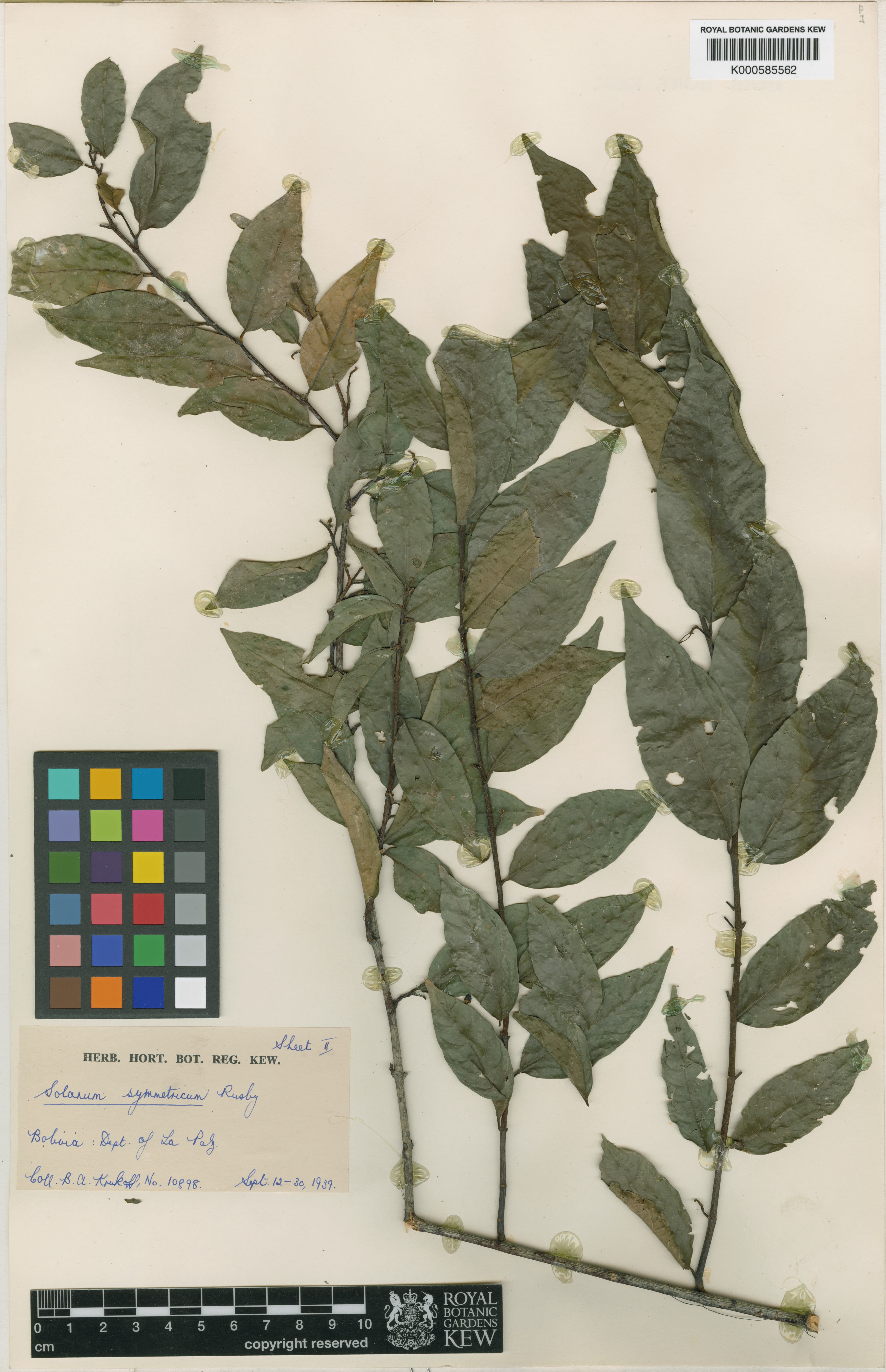
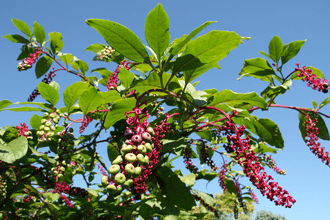
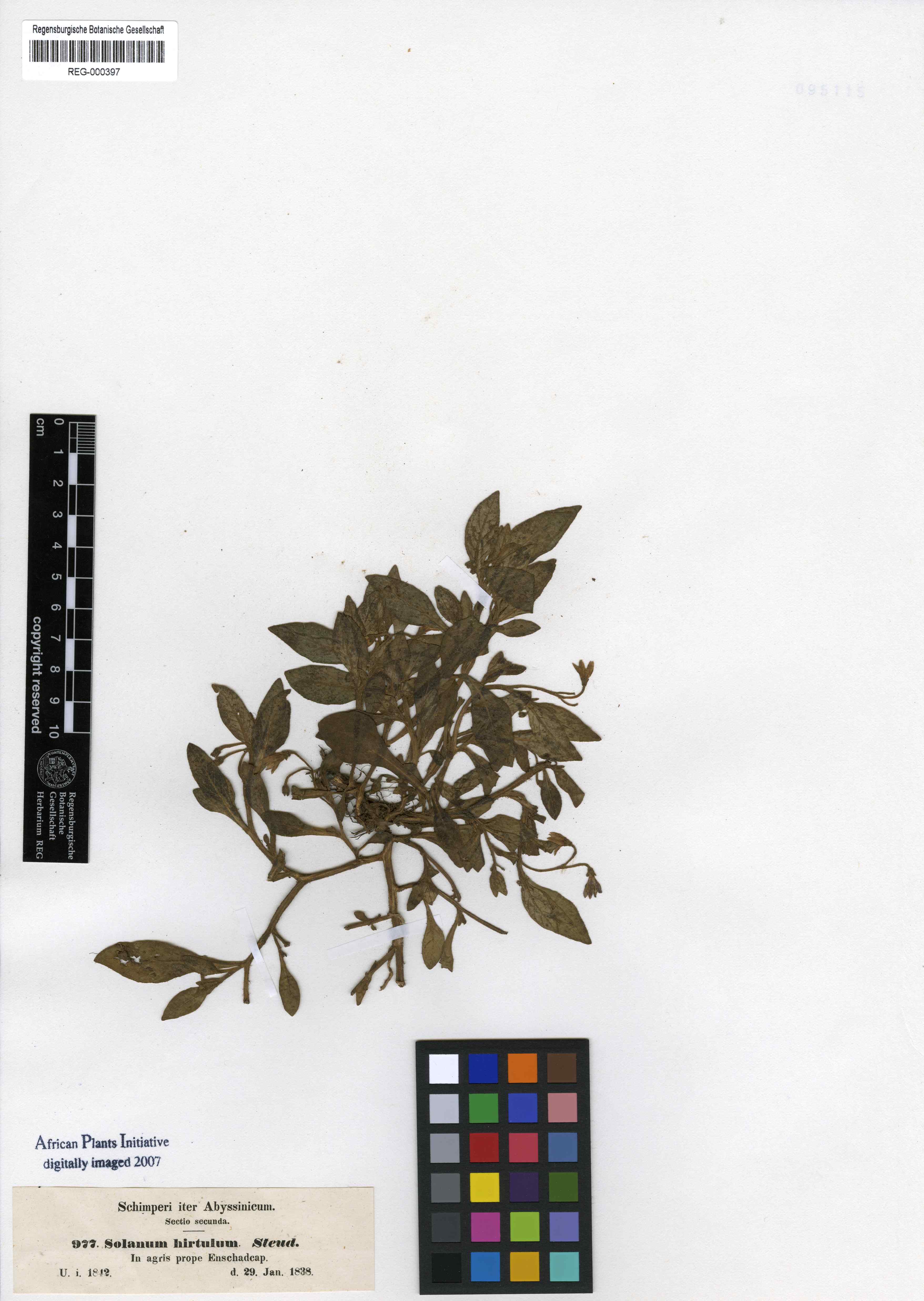
Solanum rubetorum is a thorny, woody shrub characterized by its deeply lobed, somewhat spiny green leaves and robust, thorny stems. It produces solitary, star-shaped flowers with five vibrant purple petals and a prominent yellow anther cone at the center.