Solanum radicans
NameSolanum radicans
Scientific NameSolanum radicans
Common NamesTrailing Nightshade, Creeping Nightshade
Plant FamilySolanaceae
Natural HabitatNative to South America, it thrives in disturbed areas, roadsides, fields, and open woodlands, often found in temperate to subtropical regions.
Parts Usedwhole_plant,leaf
Medicinal Actionsanalgesic, anti-inflammatory, antimicrobial
Traditional UsesTraditionally, various species within the Solanum genus, including those with similar chemical profiles to S. radicans, have been used topically for their anti-inflammatory and analgesic properties to treat skin conditions, wounds, and localized pain. Due to the presence of toxic glycoalkaloids, internal use is generally avoided or used with extreme caution in traditional practices.
Active Constituentssteroidal glycoalkaloids (e.g., solanine, solamargine, solasonine)
Preparation Methodspoultice, salve
Contraindications & WarningsHIGHLY TOXIC. All parts of the plant contain steroidal glycoalkaloids which can be poisonous if ingested, causing gastrointestinal upset, neurological symptoms, and potentially death. Avoid internal consumption. Use external preparations with extreme caution, especially on broken skin. Not recommended for pregnant or nursing women, children, or individuals with liver or kidney conditions.
Cultivation NotesThis plant prefers full sun to partial shade and well-drained soil. It is a vigorous grower and can spread readily, often considered a weed in its native range. Propagation is typically by seed or cuttings.
Raritycommon
Description
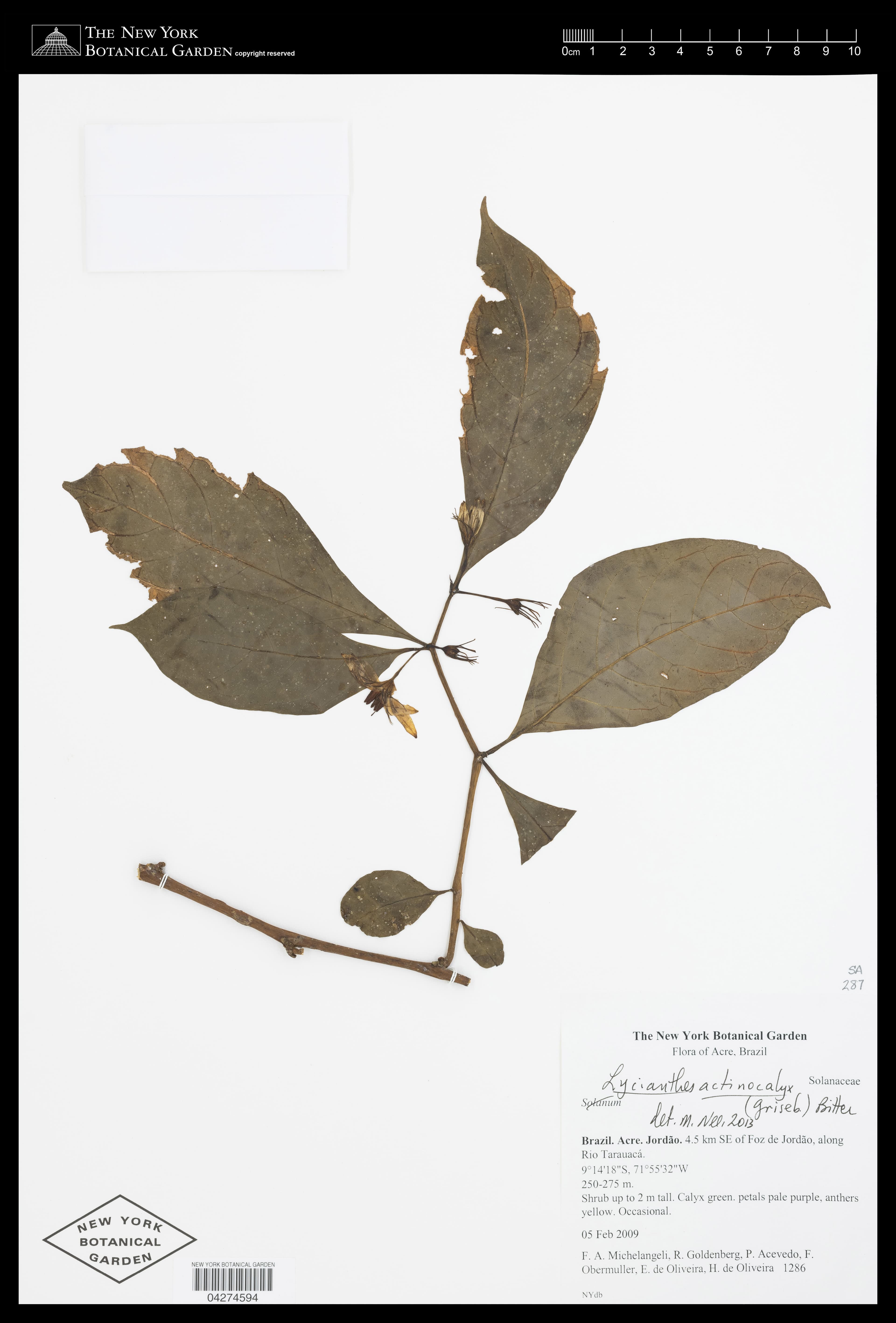
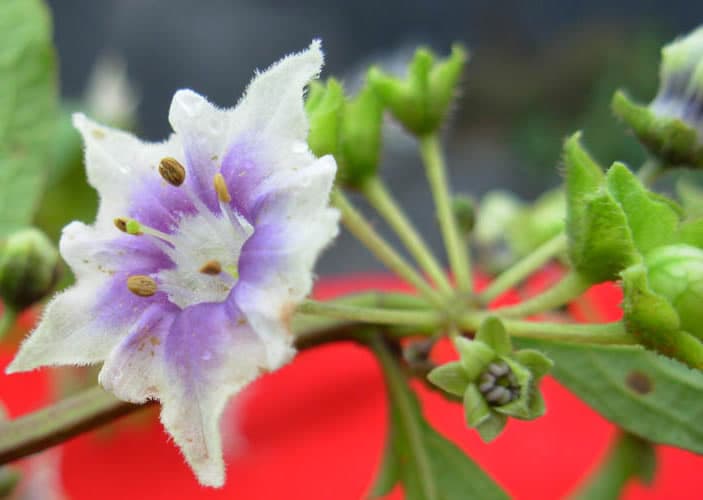
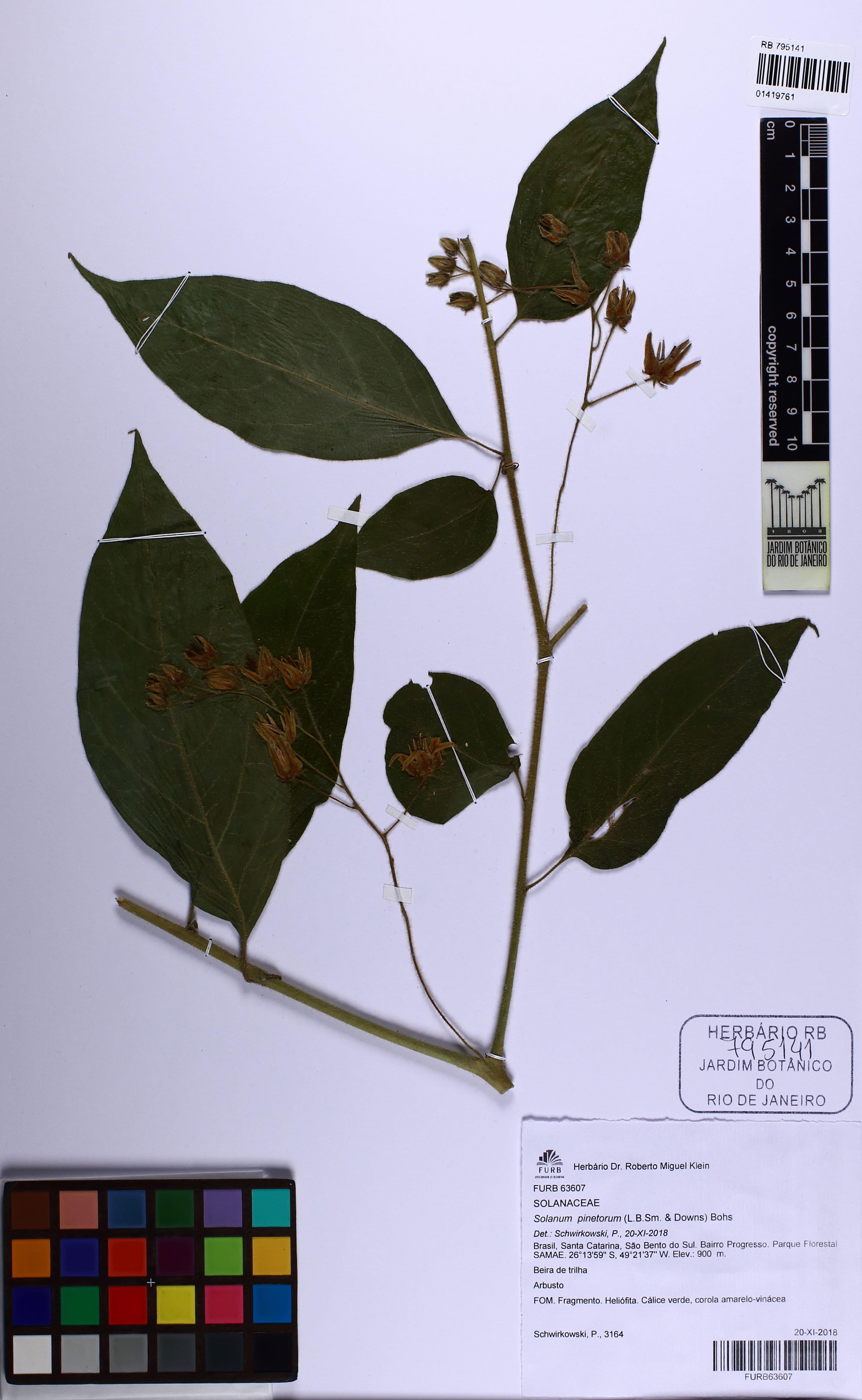
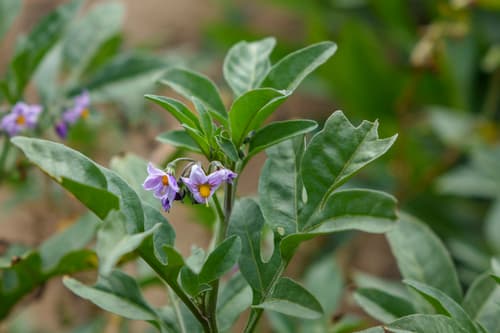
Solanum radicans is a perennial herbaceous plant, often prostrate or climbing, characterized by deeply lobed to pinnatifid green leaves. It produces small, star-shaped flowers typically light purple to blue with prominent yellow anthers, followed by small berries.