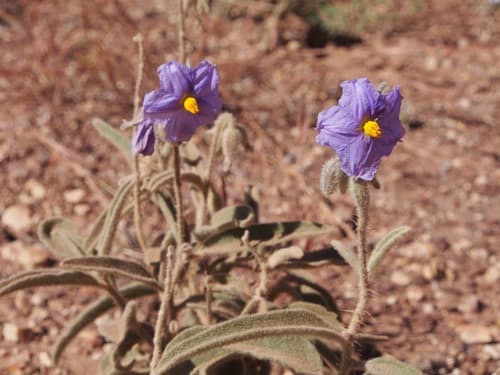
Solanum plastisexum
NameSolanum plastisexum
Scientific NameSolanum plastisexum
Common NamesPlastic Sex Nightshade
Plant FamilySolanaceae
Natural HabitatNative to arid and semi-arid regions of Australia, thriving in sandy or rocky soils in open woodlands and shrublands, adapted to dry conditions.
Parts Usedleaf,flower,fruit
Medicinal Actionsanti-inflammatory, analgesic, antimicrobial
Traditional UsesWhile specific traditional uses for Solanum plastisexum are not widely documented, other species within the Solanum genus are traditionally used externally as poultices for skin inflammations, wounds, and pain relief. Internal use is often limited due to potential toxicity, but some species are used for fevers or as diuretics under careful guidance.
Active Constituentssteroidal glycoalkaloids, saponins, flavonoids
Preparation Methodspoultice, decoction, infusion
Contraindications & WarningsDue to the presence of steroidal glycoalkaloids common in the Solanum genus, internal consumption of many species is generally not recommended and can be toxic. Contraindicated in pregnancy, lactation, and for young children. Skin irritation may occur with topical application.
Cultivation NotesPrefers full sun and well-drained, sandy or rocky soils. It is drought-tolerant once established and requires minimal watering. Propagated by seed.
Rarityuncommon
Description
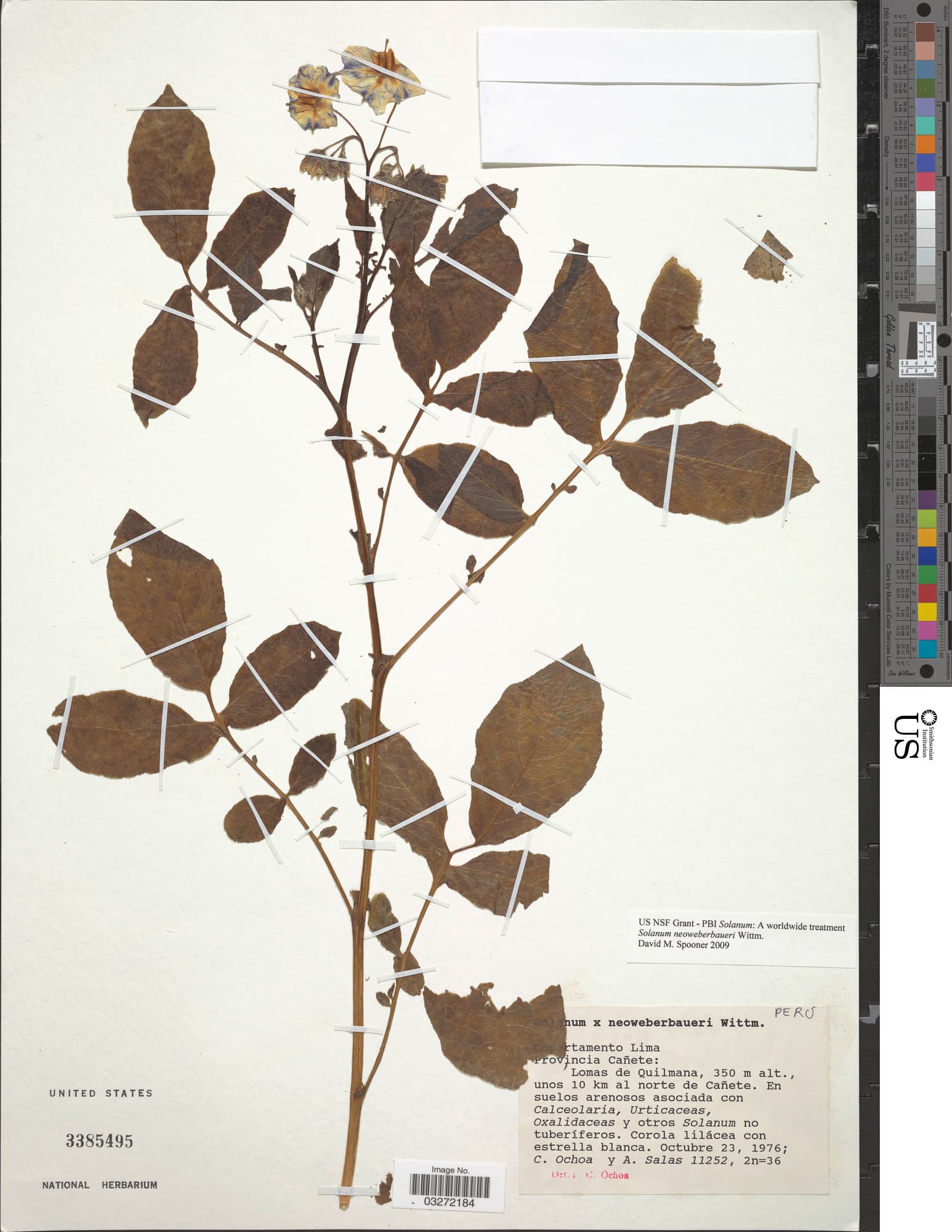
A herbaceous perennial characterized by its densely hairy, often spiny stems and leaves, giving it a greyish appearance. It produces striking purple, star-shaped flowers with prominent yellow anthers, typical of the Solanum genus.