Solanum leopoldense
NameSolanum leopoldense
Scientific NameSolanum leopoldense
Common NamesLeopold's Nightshade
Plant FamilySolanaceae
Natural HabitatNative to arid and semi-arid regions of Western Australia and the Northern Territory, growing in woodlands, shrublands, and disturbed areas, often on sandy or gravelly soils.
Parts Usedleaf,whole_plant
Medicinal Actionsanti-inflammatory, analgesic
Traditional UsesSpecific traditional medicinal uses for Solanum leopoldense are not widely documented. However, other Solanum species have been traditionally used by Indigenous Australians for external applications to alleviate pain and inflammation, or for skin conditions, always with extreme caution due to the plant's inherent toxicity.
Active Constituentssteroidal glycoalkaloids, solasodine
Preparation Methodspoultice, powder
Contraindications & WarningsAll parts of Solanum leopoldense are considered toxic due to the presence of steroidal glycoalkaloids. Internal consumption is highly dangerous and can cause severe poisoning. Avoid use by pregnant or nursing women, children, and individuals with liver or kidney conditions. Skin contact may cause irritation.
Cultivation NotesThis hardy, drought-tolerant shrub thrives in full sun and well-drained soils. It is typically propagated from seed and can be found in disturbed areas, often considered a weed in its native range.
Raritycommon
Description
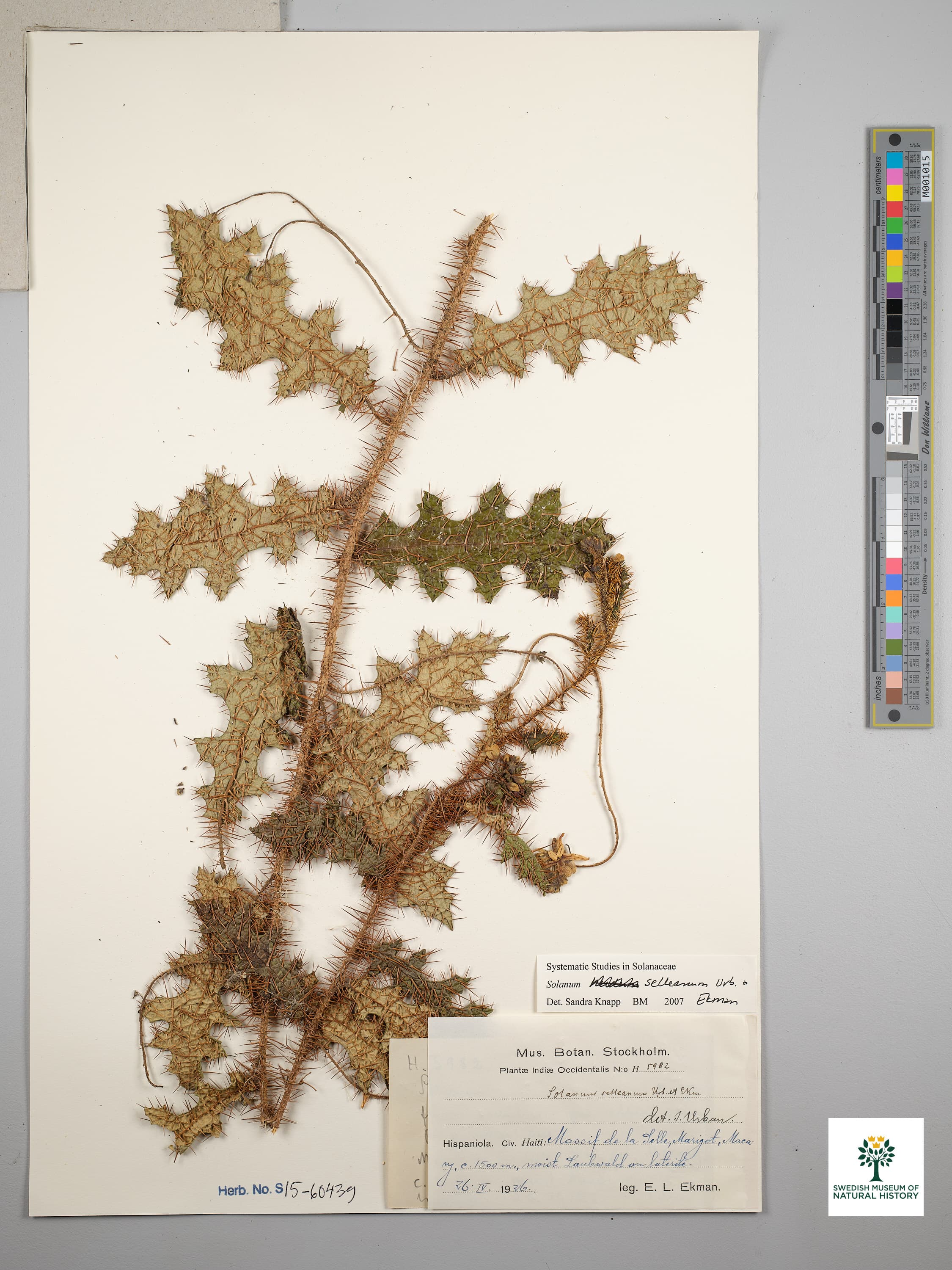
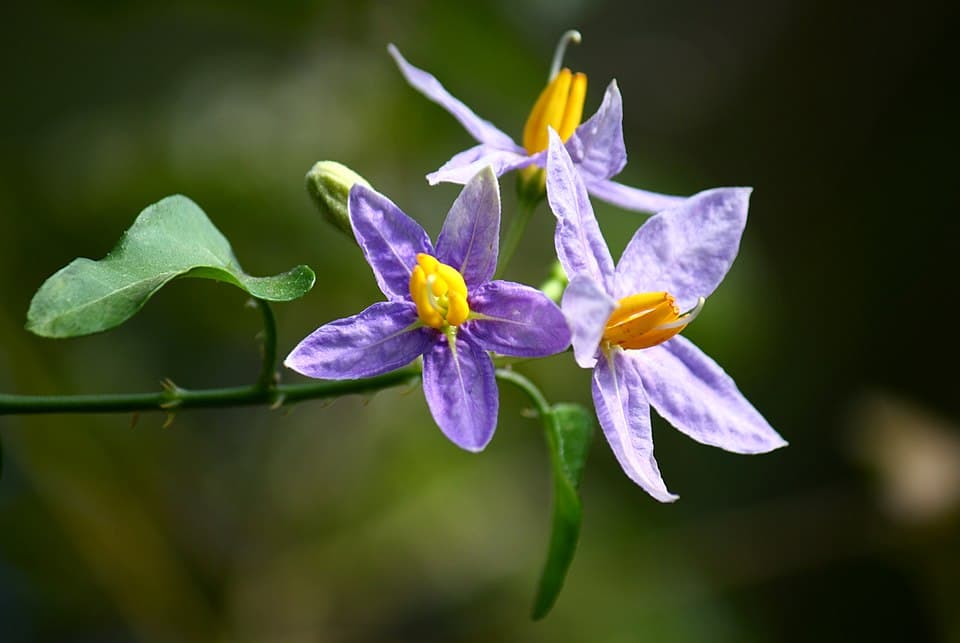
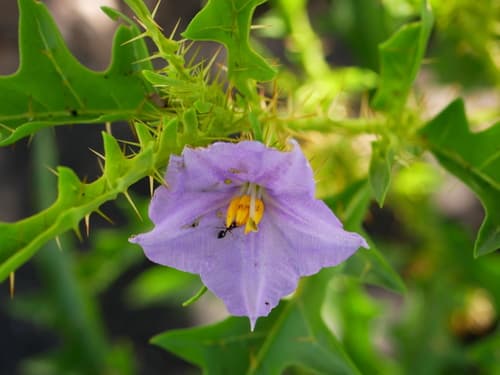
Solanum leopoldense is a spiny, erect shrub or subshrub, typically growing 1-2 meters tall. It features deeply lobed, prickly leaves and produces distinctive star-shaped, pale purple flowers with prominent yellow anthers, followed by small, round fruits.