Solanum lapidosum
NameSolanum lapidosum
Scientific NameSolanum lapidosum
Common NamesStone Nightshade
Plant FamilySolanaceae
Natural HabitatNative to South America, particularly Brazil, this species is commonly found in disturbed areas, roadsides, open fields, and forest edges, thriving in various soil types.
Parts Usedleaf,flower,fruit
Medicinal Actionsanalgesic, anti-inflammatory, antimicrobial
Traditional UsesTraditional uses for Solanum species, including potentially S. lapidosum, often involve external applications for pain relief, inflammation, and skin conditions. Due to the presence of toxic alkaloids, internal use is extremely rare and highly cautioned, typically involving very specific preparations and expert guidance for conditions like fevers or certain infections.
Active Constituentssteroidal glycoalkaloids, solanine, solamargine, solasonine
Preparation Methodspoultice, decoction
Contraindications & WarningsAll parts of Solanum lapidosum, like many Solanum species, contain toxic steroidal glycoalkaloids. Ingestion can cause severe gastrointestinal upset (nausea, vomiting, diarrhea), neurological symptoms (dizziness, confusion), and cardiac issues. It is contraindicated for internal use without expert supervision. Pregnant or lactating women, children, and individuals with liver or kidney conditions should strictly avoid this plant. External use should also be approached with caution due to potential skin irritation or absorption.
Cultivation NotesSolanum lapidosum is generally easy to cultivate and can be considered weedy in its native range. It prefers full sun to partial shade and well-drained soil. Propagation is typically by seed.
Raritycommon
Description
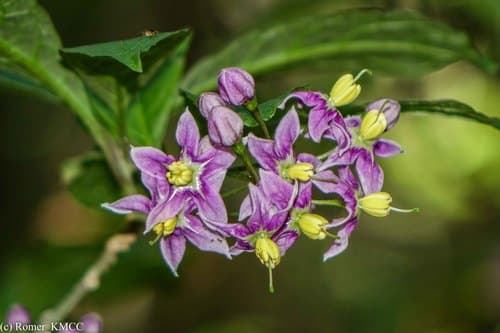
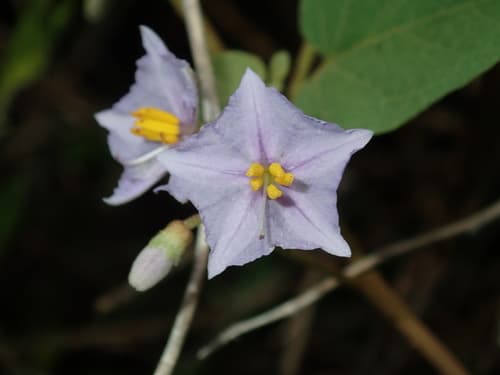
Solanum lapidosum is a herbaceous plant characterized by its light purple, star-shaped flowers, typically with five petals and prominent yellow anthers clustered in the center. It often grows as a sprawling herb or vine, producing small fruits after flowering.