Solanum hibernum
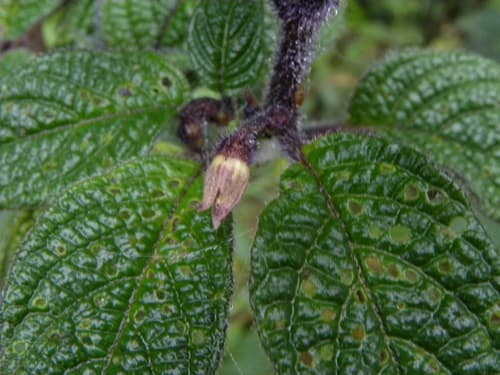
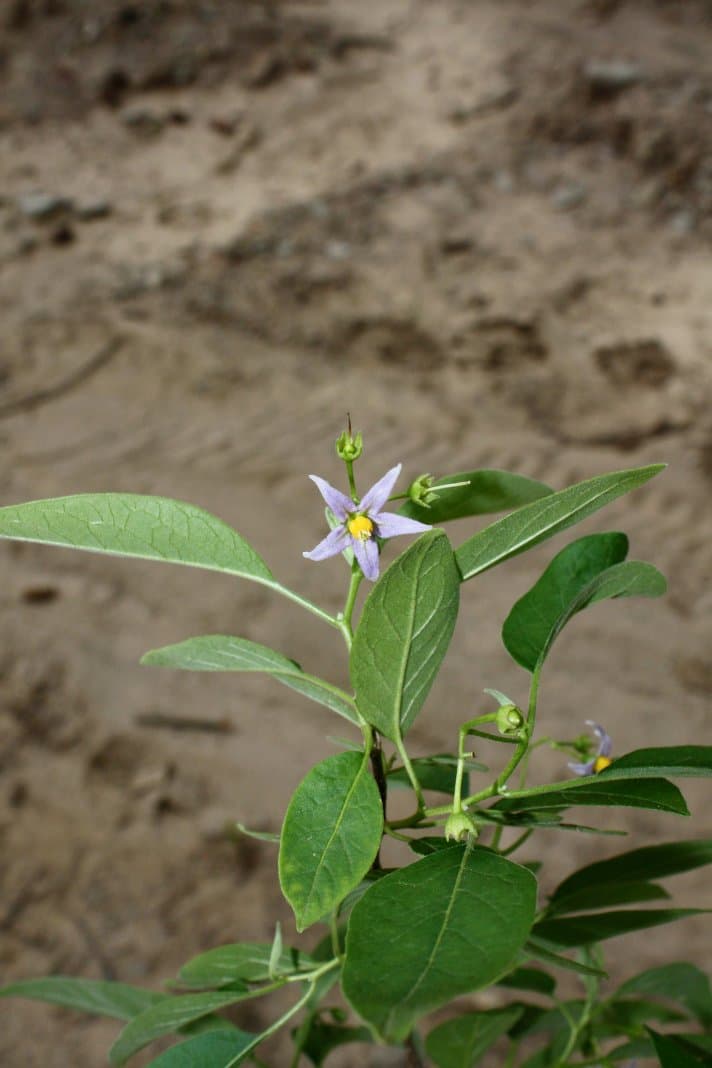
Image: G. A. Parada (cc-by-nc)
NameSolanum hibernum
Scientific NameSolanum hibernum Bohs
Common NamesAndean Nightshade, Winter Nightshade
Plant FamilySolanaceae
Natural HabitatNative to the Andean regions of South America, particularly Peru, often found in disturbed habitats such as agricultural fields, roadsides, and open areas at moderate to high elevations.
Parts Usedleaf,whole_plant
Medicinal Actionsanti-inflammatory, analgesic, sedative
Traditional UsesTraditionally, closely related species within the Solanum nigrum complex have been used topically as poultices for skin inflammations, boils, and wounds due to their anti-inflammatory and analgesic properties. Internal use, often as a sedative or for pain, was historically practiced with extreme caution and specific preparations due to the plant's inherent toxicity.
Active ConstituentsSteroidal glycoalkaloids (e.g., solanine, solamargine, solasodine), Saponins, Flavonoids
Preparation Methodspoultice, decoction, tincture
Contraindications & WarningsAll parts of Solanum hibernum, especially unripe fruits and leaves, are considered toxic due to high concentrations of glycoalkaloids. Internal use is strongly discouraged without expert supervision. Contraindicated in pregnancy, lactation, children, and individuals with liver or kidney conditions.
Cultivation NotesThis species thrives in full sun to partial shade and prefers well-drained soils. It can tolerate a range of soil types and is often found in disturbed areas, indicating a certain hardiness and adaptability.
Rarityuncommon
Description
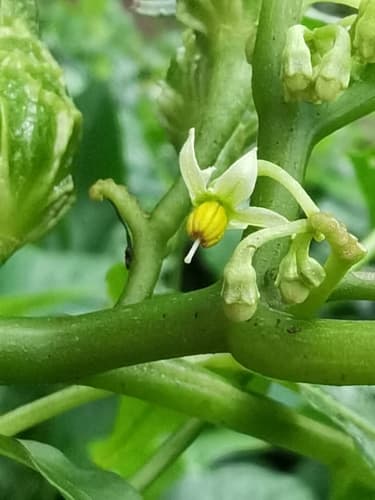
A herbaceous plant characterized by its simple, ovate to lanceolate green leaves. It produces small, star-shaped flowers, typically pale purple with a prominent yellow central cone of anthers, followed by small green berries.