Solanum corymbiflorum
NameSolanum corymbiflorum
Scientific NameSolanum corymbiflorum
Common NamesAndean Nightshade
Plant FamilySolanaceae
Natural HabitatNative to the Andean regions of South America, found in disturbed areas, forest edges, and agricultural lands at moderate to high altitudes.
Parts Usedleaf,fruit
Medicinal Actionsanalgesic, anti-inflammatory
Traditional UsesDue to its toxicity, specific safe medicinal uses for Solanum corymbiflorum are not widely documented. However, other Solanum species have been traditionally used externally for pain and inflammation, or internally with extreme caution as purgatives or sedatives.
Active Constituentssteroidal glycoalkaloids
Preparation Methodspoultice, decoction
Contraindications & WarningsALL parts of Solanum corymbiflorum are considered toxic due to steroidal glycoalkaloids. Ingestion can cause severe gastrointestinal upset, neurological symptoms, and can be fatal. Avoid use by pregnant/nursing women, children, and individuals with liver or kidney conditions. Consult a medical professional before any use.
Cultivation NotesPrefers full sun to partial shade and well-drained soil. Thrives in temperate to subtropical climates, tolerant of various soil types but benefits from rich, organic matter.
Rarityuncommon
Description
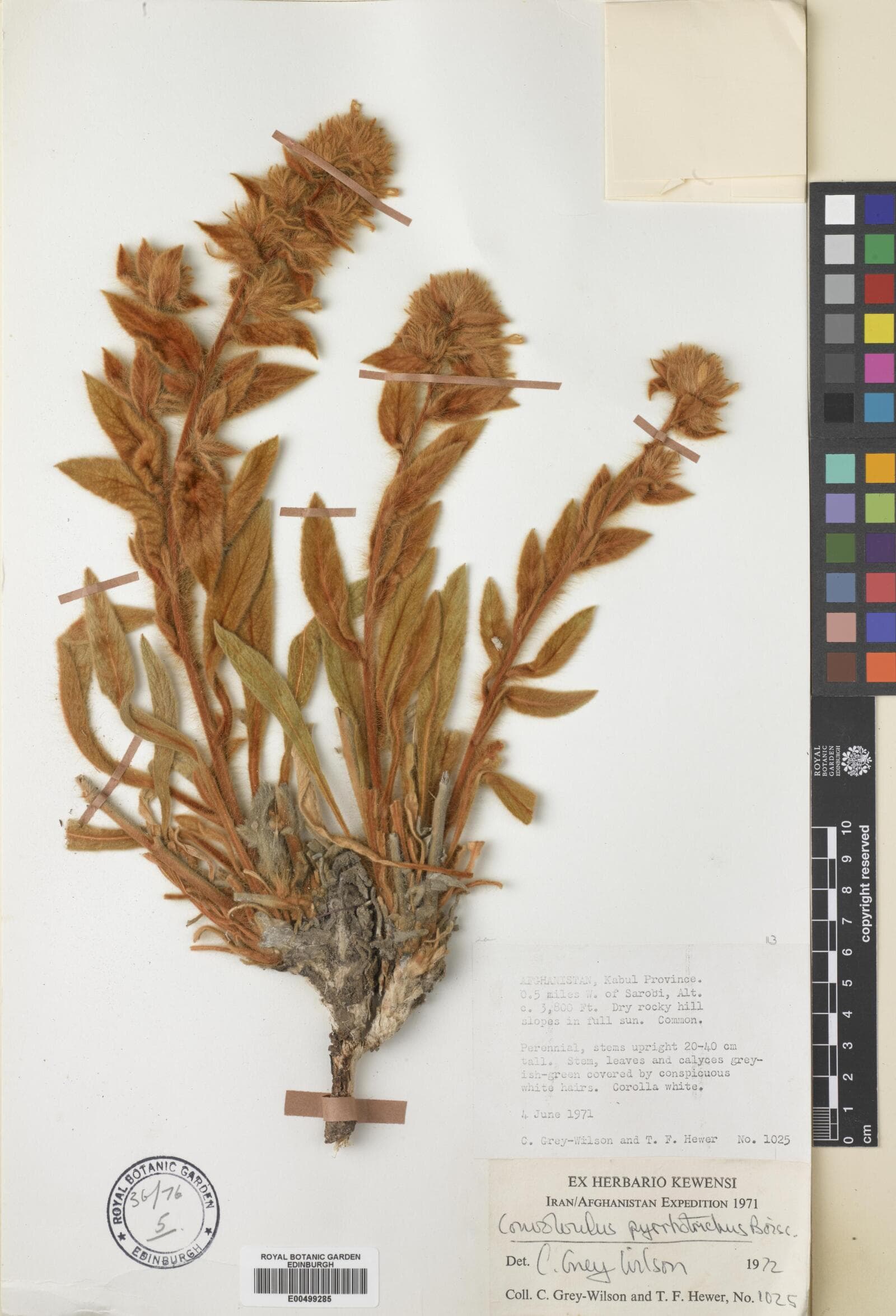
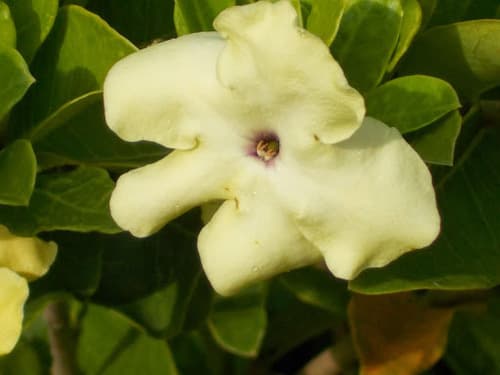
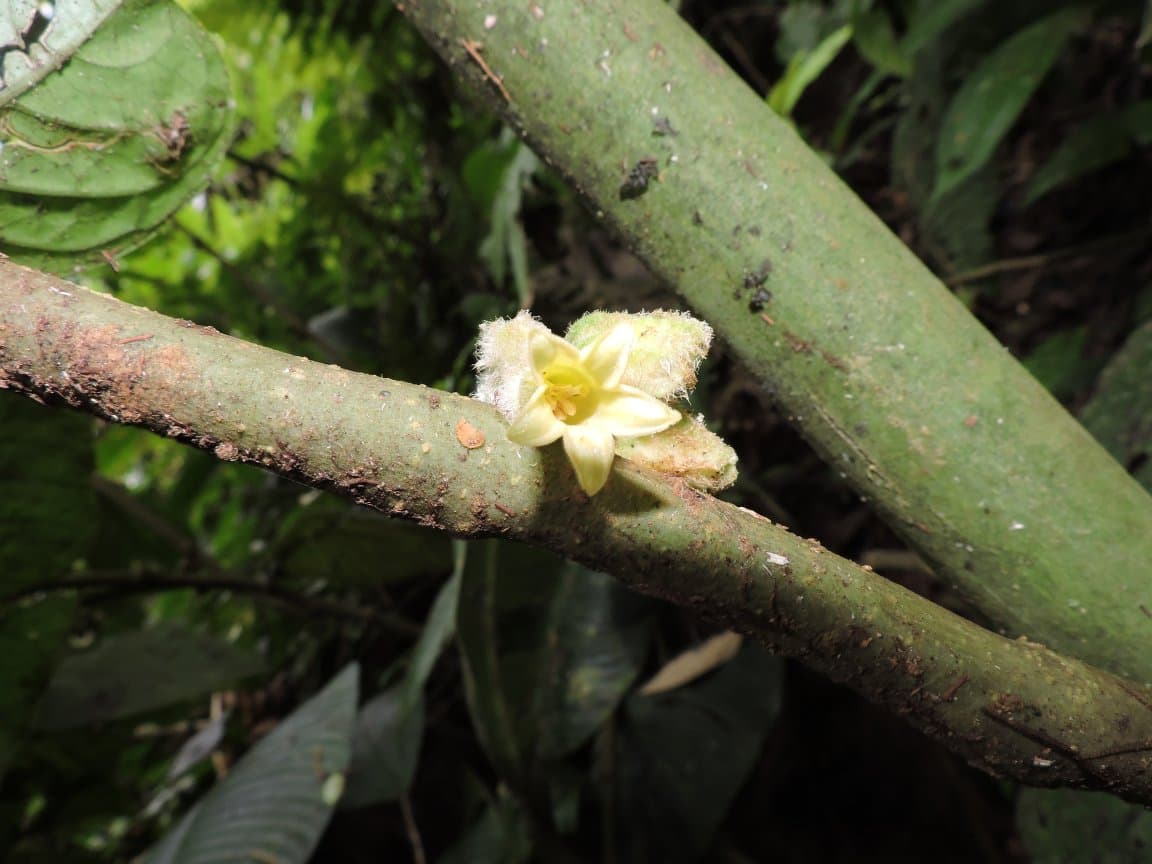
A herbaceous perennial or subshrub native to the Andes, characterized by fuzzy, ovate leaves and clusters of star-shaped purple flowers with prominent yellow anthers. It produces small berries as fruit.