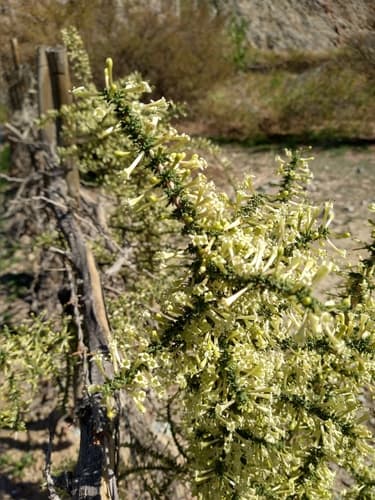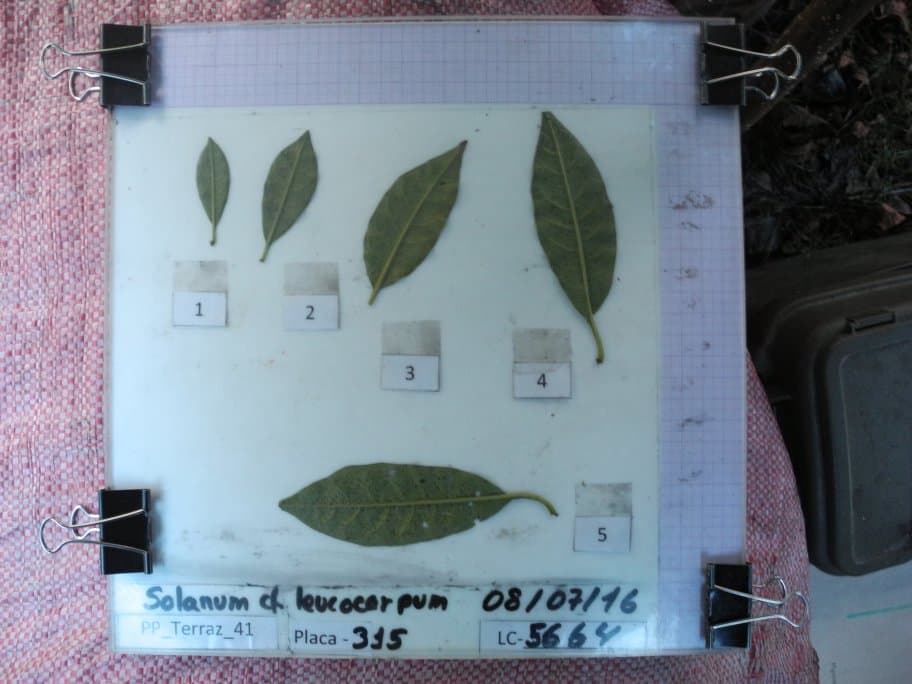
Solanum clandestinum
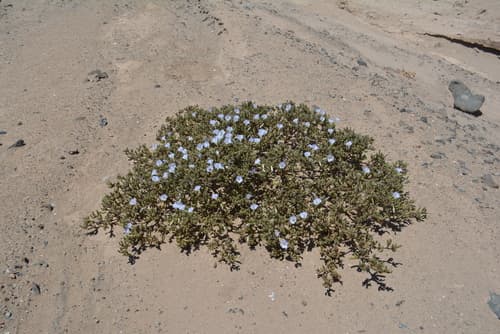
Image: M. Cornejo (cc-by-nc)
NameSolanum clandestinum
Scientific NameSolanum clandestinum
Common NamesClandestine Nightshade
Plant FamilySolanaceae
Natural HabitatNative to parts of South America, including Peru, Ecuador, and Bolivia, often found in disturbed areas, roadsides, and agricultural fields, sometimes at higher altitudes.
Parts Usedleaf
Medicinal Actionsanti-inflammatory, antimicrobial
Traditional UsesSpecific traditional medicinal uses for *Solanum clandestinum* are not well-documented in ethnobotanical literature. However, other *Solanum* species have been traditionally used externally for inflammatory conditions or skin ailments, though often with significant toxicity concerns due to glycoalkaloids. Any use of this species should be approached with extreme caution.
Active Constituentssteroidal glycoalkaloids
Preparation Methodspoultice
Contraindications & WarningsAll parts of *Solanum clandestinum* are presumed to be toxic due to the presence of steroidal glycoalkaloids. Internal use is highly discouraged and potentially fatal. External use should be approached with extreme caution due to potential skin irritation or systemic absorption risks. Consult a qualified expert before any use.
Cultivation NotesPrefers full sun to partial shade and well-drained soil. Can be found in disturbed habitats, indicating adaptability. Propagation is typically by seed.
Rarityuncommon
Description
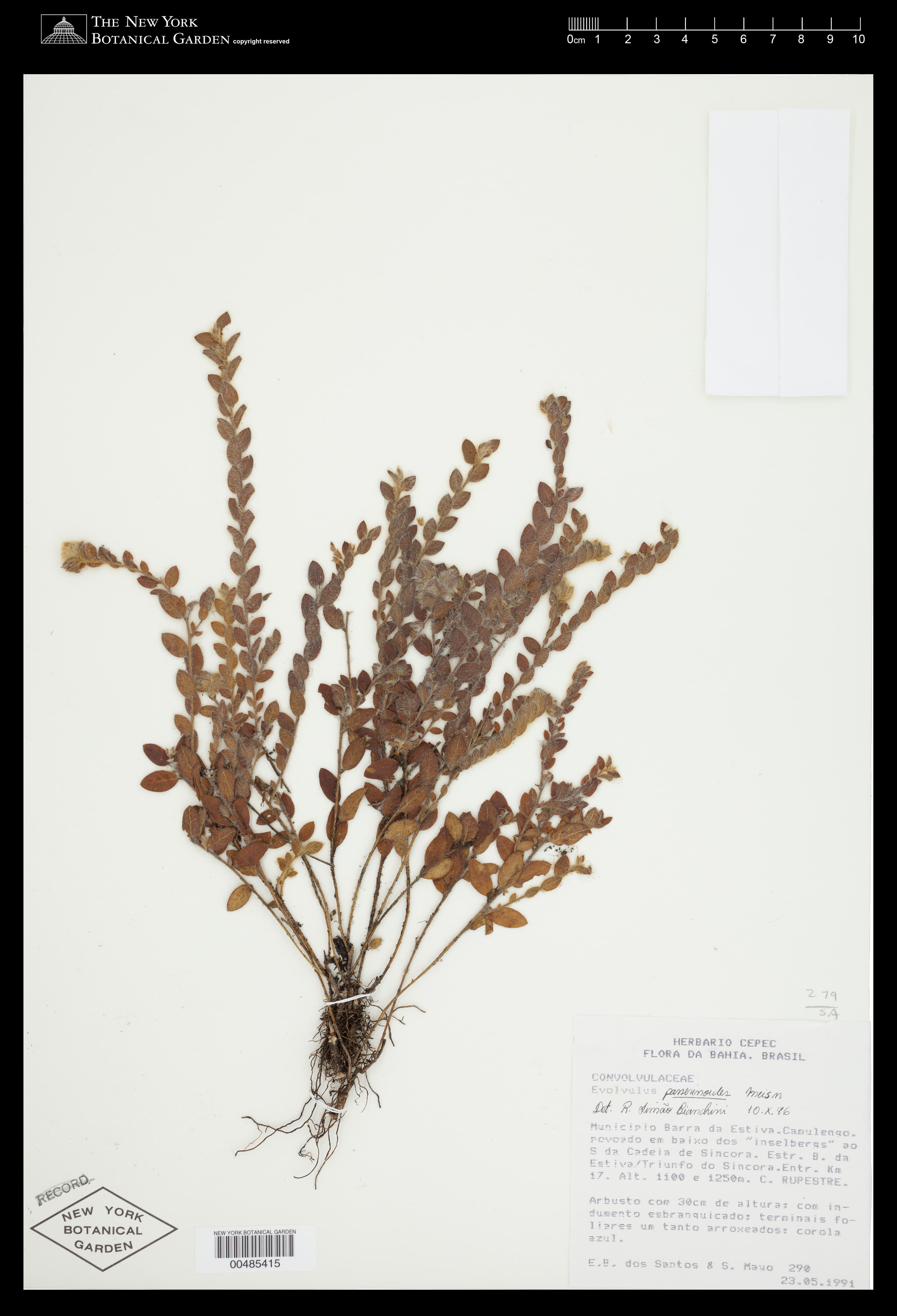
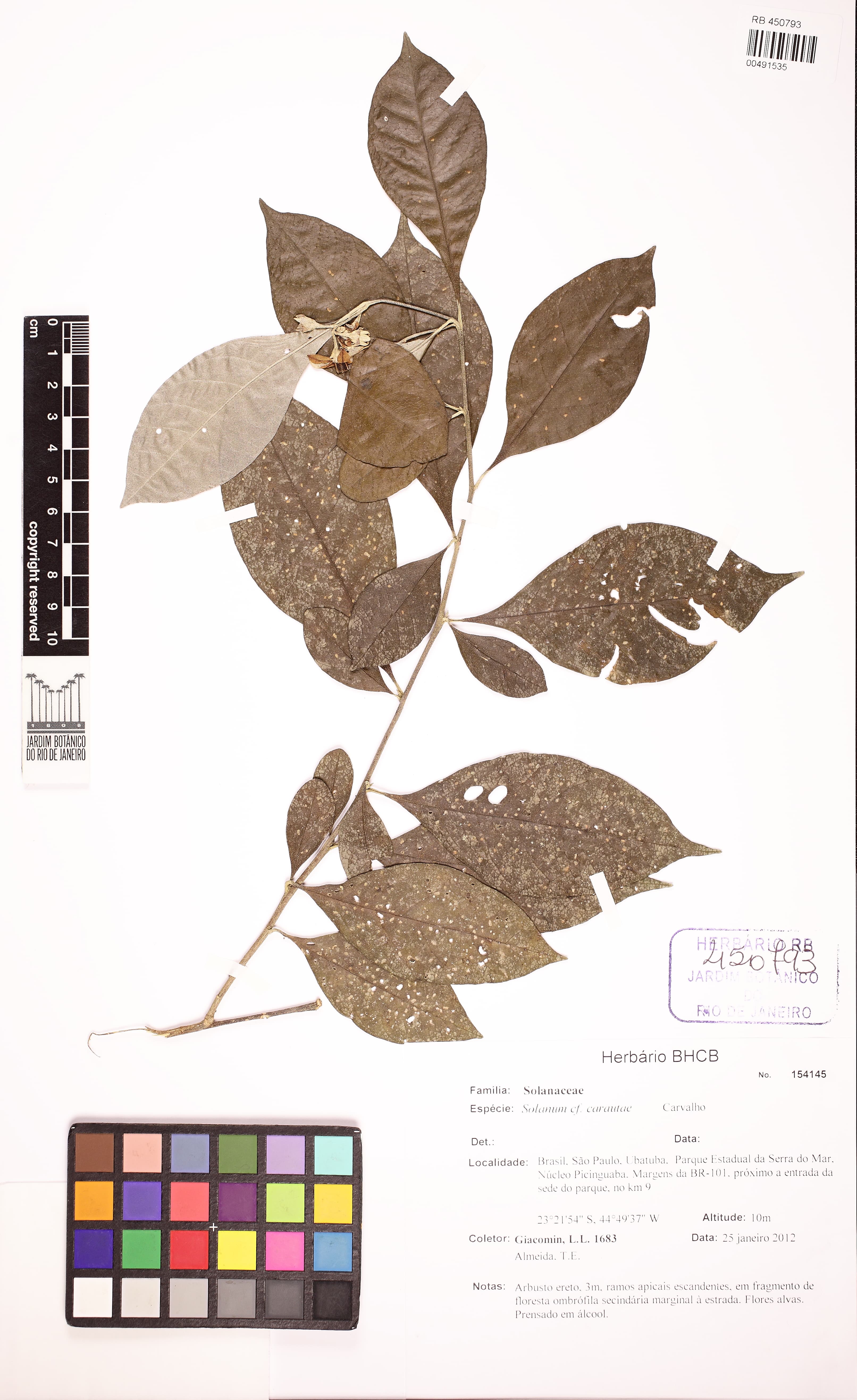
Solanum clandestinum is an herbaceous plant belonging to the nightshade family, characterized by simple, alternate leaves that vary in size and shape, often ovate to lanceolate. It produces small flowers and berries, typical of the *Solanum* genus. The plant's overall morphology suggests a sprawling or climbing habit.