Solanum celsum
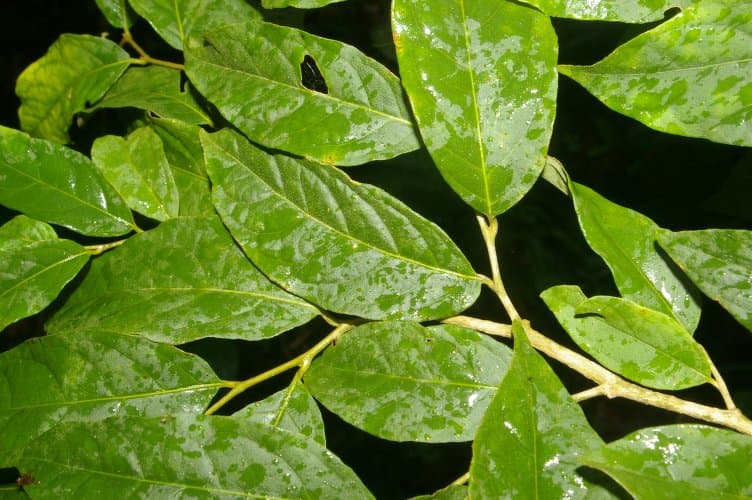
Image: N. Zamora (cc-by-nc)
NameSolanum celsum
Scientific NameSolanum celsum Standl. & C.V.Morton
Common NamesSolanum celsum
Plant FamilySolanaceae
Natural HabitatNative to Central America, particularly found in wet lowland to montane forests of countries like Costa Rica and Panama.
Parts Usedleaf,fruit
Medicinal Actionsanti-inflammatory, antimicrobial
Traditional UsesSpecific traditional medicinal uses for Solanum celsum are not well-documented in readily available ethnobotanical literature. However, other species within the Solanum genus are traditionally used for their anti-inflammatory and antimicrobial properties, often applied topically for skin conditions or internally for fevers and pain.
Active Constituentssteroidal glycoalkaloids
Preparation Methodsinfusion, poultice
Contraindications & WarningsAs with many Solanum species, Solanum celsum likely contains steroidal glycoalkaloids which can be toxic if ingested in large quantities. Caution is advised, especially for pregnant or lactating individuals, and for internal use without expert guidance.
Cultivation NotesThis species thrives in warm, humid tropical conditions with rich, well-drained soil and prefers partial shade, mimicking its natural forest understory habitat.
Rarityuncommon
Description
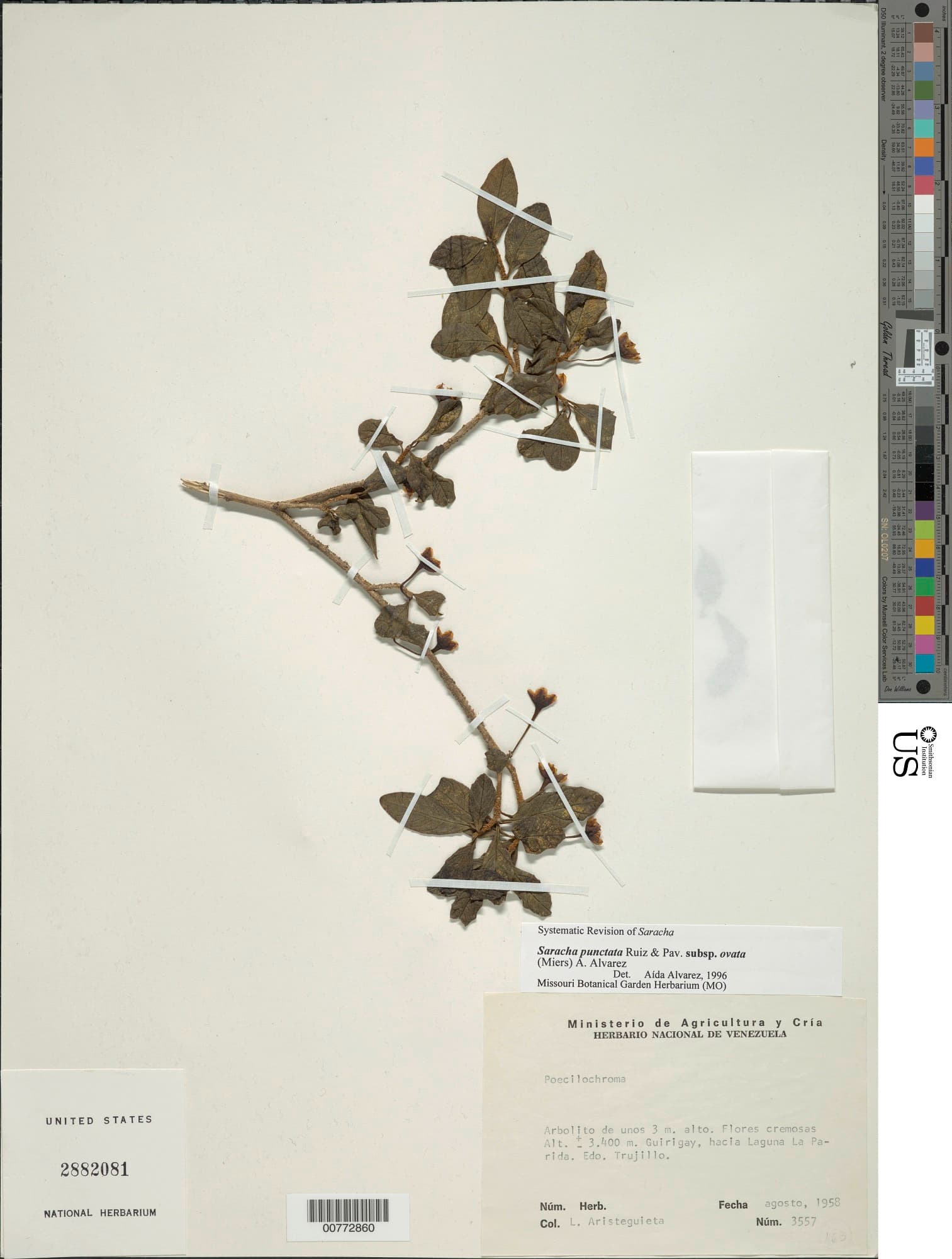
Solanum celsum is a shrub or small tree characterized by its simple, alternate, ovate to elliptic leaves, which are typically glabrous and have prominent venation. The plant often grows in humid forest environments, as suggested by the water droplets on the leaves in the image.