Slender-leaf mock orange
NameSlender-leaf mock orange
Scientific NamePhiladelphus microphyllus
Common NamesSlender-leaf Mock Orange, Littleleaf Mock Orange, Dwarf Mock Orange
Plant FamilyHydrangeaceae
Natural HabitatNative to the southwestern United States (Arizona, New Mexico, Colorado, Utah, Texas) and northern Mexico, thriving in rocky slopes, canyons, and open woodlands, often at moderate to higher elevations. It prefers well-drained soils.
Parts Usedflower,leaf
Medicinal Actionsnervine, antimicrobial
Traditional UsesWhile not a primary medicinal plant, some *Philadelphus* species have been noted for their fragrant flowers, which could be used aromatically for mild calming effects (nervine). Historically, some Native American tribes utilized other mock orange species for external cleansing due to saponin content in leaves and flowers, suggesting mild antimicrobial properties for topical use.
Active ConstituentsVolatile oils, Saponins
Preparation Methodsinfusion, essential oil
Contraindications & WarningsGenerally considered non-toxic, but internal consumption is not recommended due to a lack of sufficient research on its safety and efficacy as a medicinal herb. Skin sensitivity to concentrated essential oils is possible.
Cultivation NotesPrefers full sun to partial shade and well-drained soil. It is drought-tolerant once established and requires minimal pruning. Hardy in USDA zones 4-8, making it a resilient ornamental shrub.
Raritycommon
Description
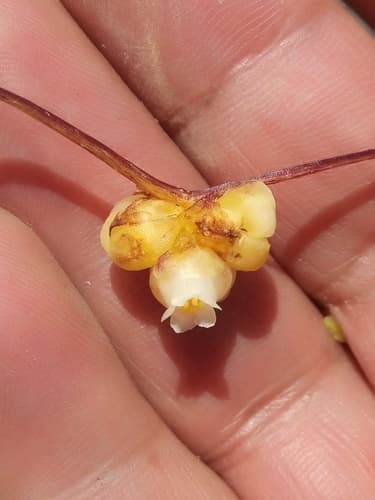
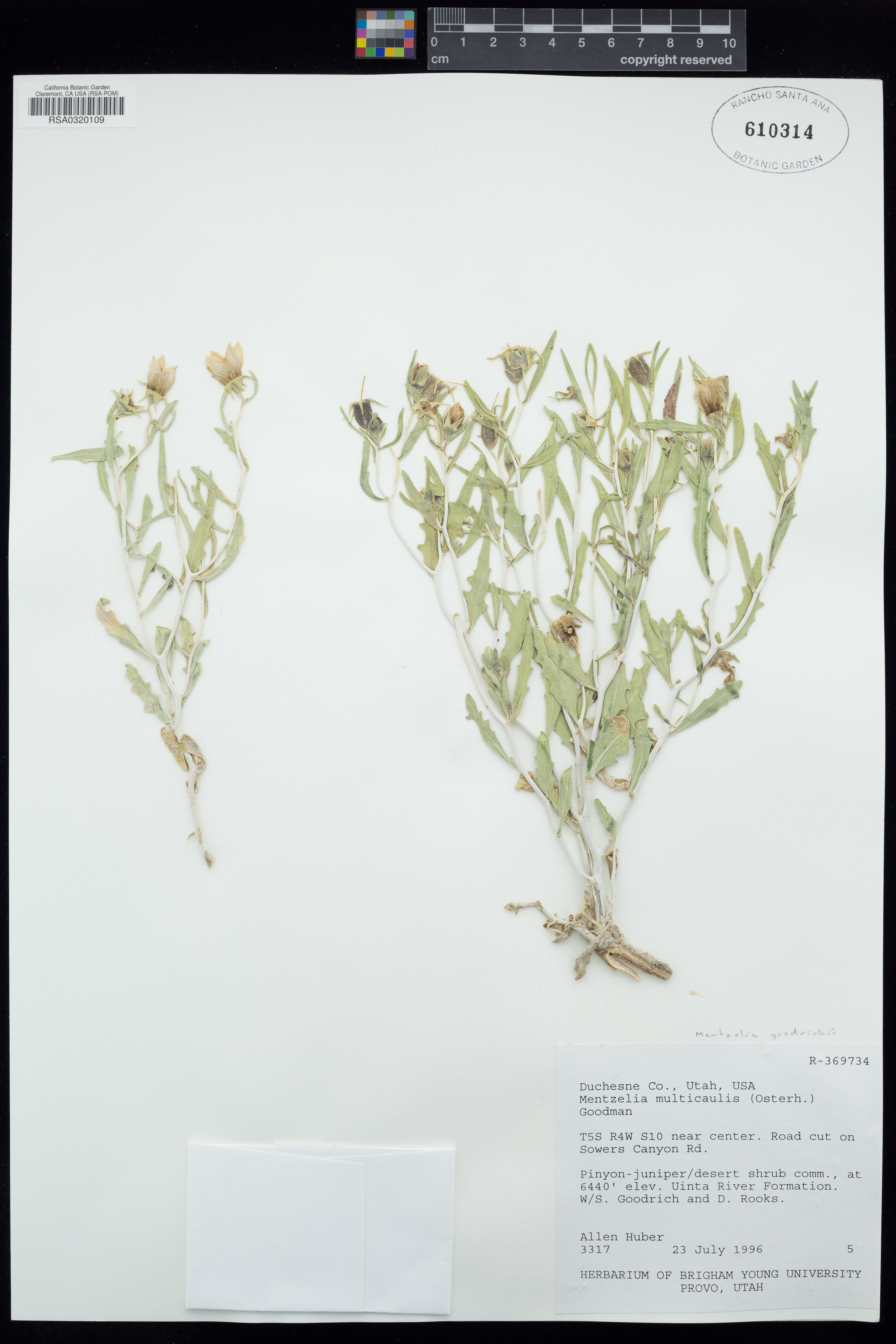
A compact, deciduous shrub characterized by its small, ovate to lanceolate green leaves and abundant clusters of highly fragrant, white, four-petaled flowers. It typically blooms in late spring to early summer, creating a dense, mounding display.