Silky Bindweed
NameSilky Bindweed
Scientific NameConvolvulus holosericeus
Common NamesSilky Bindweed, Hairy Bindweed
Plant FamilyConvolvulaceae
Natural HabitatNative to the Mediterranean region, it thrives in dry, rocky, and sandy soils, often found in garrigue, open woodlands, and disturbed areas.
Parts Usedwhole_plant,root
Traditional UsesWhile specific traditional uses for Convolvulus holosericeus are not widely documented, many species within the Convolvulus genus, particularly those with significant resin glycoside content, have historically been used as strong purgatives and laxatives in folk medicine. Due to potential toxicity and strong effects, their use is generally not recommended.
Active ConstituentsResin glycosides
Preparation Methodsdecoction, powder
Contraindications & WarningsDue to the presence of potent resin glycosides, Convolvulus species can cause severe gastrointestinal upset, including cramping, diarrhea, and vomiting. They are contraindicated in pregnancy, lactation, children, and individuals with gastrointestinal disorders. Consultation with a qualified healthcare professional is essential before any use.
Cultivation NotesThis plant prefers full sun and well-drained, poor to moderately fertile soil. It is drought-tolerant once established and can be propagated by seed or division. It is generally considered a hardy plant in its native Mediterranean climate.
Raritycommon
Description
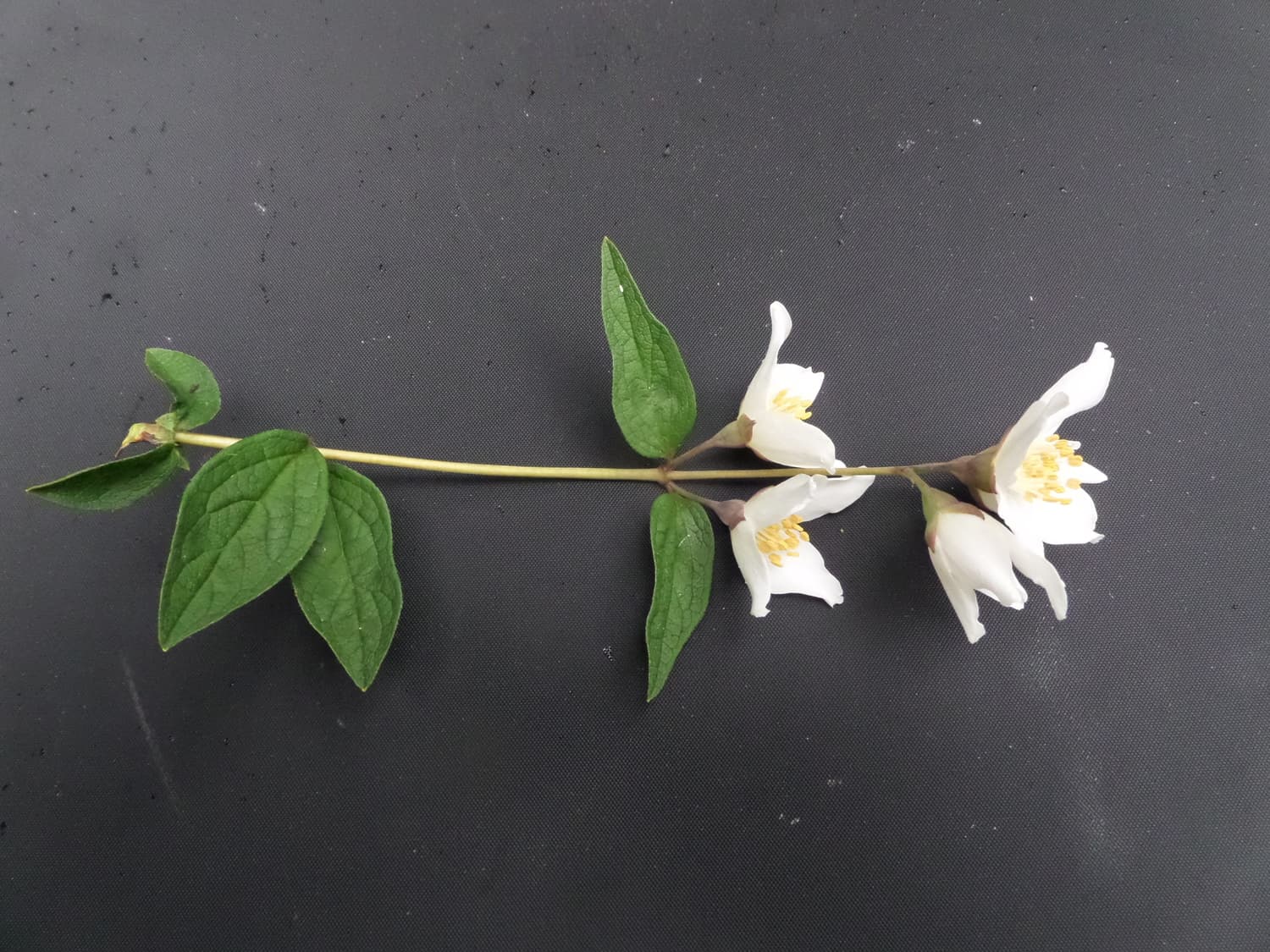
Convolvulus holosericeus is a perennial herbaceous plant characterized by its dense, silvery-white, silky-hairy foliage. It produces solitary, funnel-shaped white flowers with a yellow throat, typical of the bindweed genus.