Siam Weed
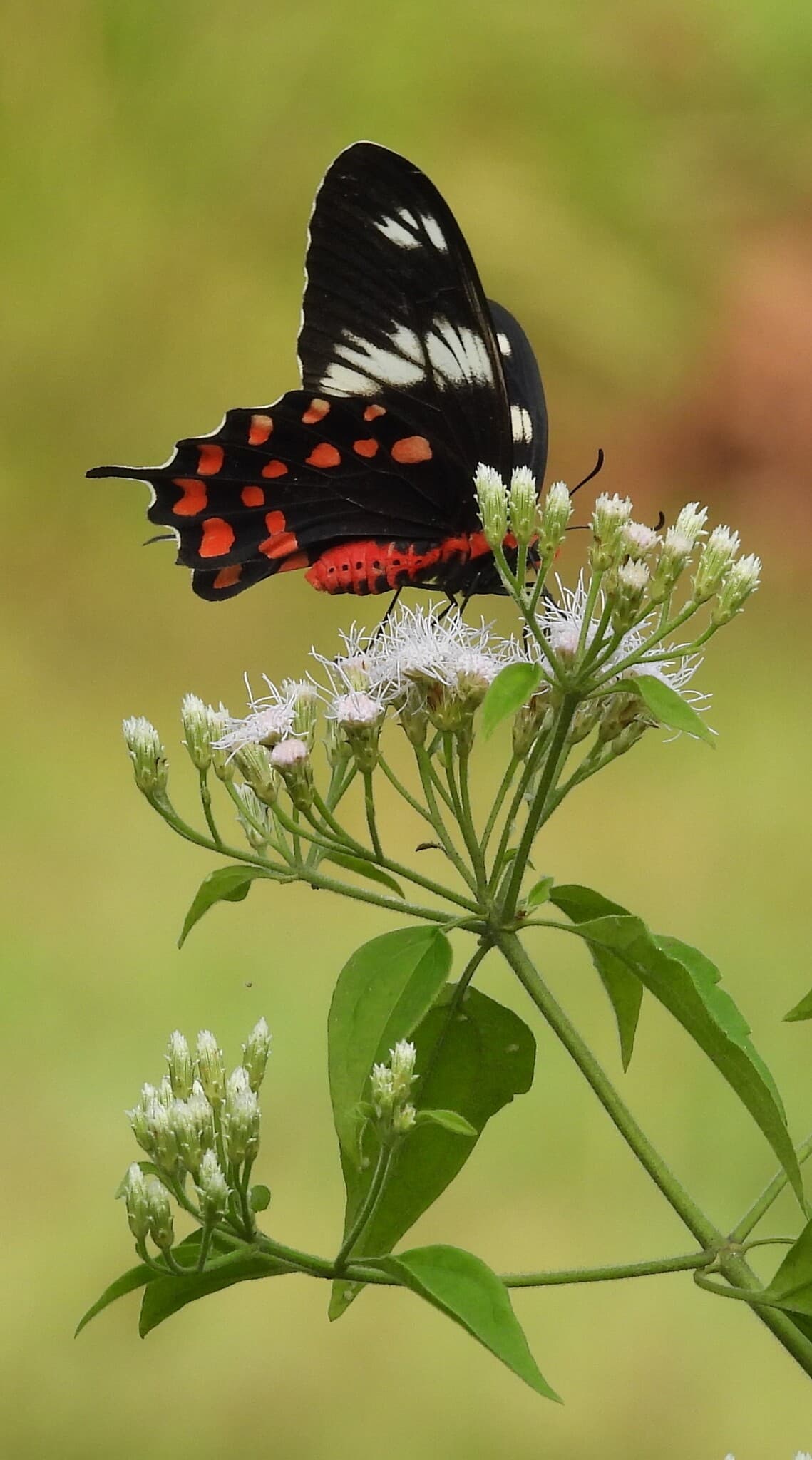
Image: Thilanka and Nimali (cc-by-nc)
NameSiam Weed
Scientific NameChromolaena odorata
Common NamesSiam Weed, Christmas Bush, Bitter Bush, Jack-in-the-bush, Triffid Weed
Plant FamilyAsteraceae
Natural HabitatTropical and subtropical regions, often found in disturbed areas, roadsides, agricultural lands, forest edges, and open fields. It thrives in warm, humid climates and can tolerate a range of soil types.
Parts Usedleaf,flower,whole_plant
Medicinal Actionsanti-inflammatory, antimicrobial, antioxidant, astringent, analgesic
Traditional UsesTraditionally used for wound healing, stopping bleeding, and treating skin infections, burns, and insect bites. It has also been used internally for malaria, fever, coughs, and gastrointestinal issues, though internal use requires caution.
Active ConstituentsFlavonoids (e.g., acacetin, eupatilin, odoratin), Terpenoids, Alkaloids, Essential oils (e.g., alpha-pinene, beta-pinene, germacrene D)
Preparation Methodsinfusion, poultice, decoction, powder, salve
Contraindications & WarningsMay cause allergic reactions in sensitive individuals, especially those with Asteraceae family allergies. Internal use should be approached with caution due to potential hepatotoxicity in high doses or prolonged use. Not recommended for pregnant or breastfeeding women without medical supervision.
Cultivation NotesGenerally considered a weed, it grows easily from seed or cuttings in warm, humid conditions with ample sunlight. It is highly adaptable to various soil types but prefers well-drained soil. Due to its invasive nature, cultivation should be managed responsibly to prevent uncontrolled spread.
Raritycommon
Description
A fast-growing perennial shrub, often forming dense thickets, characterized by its clusters of small, white to pale lavender, fluffy flowers and ovate, opposite leaves. It is known for its rapid spread and is often considered an invasive species in many tropical and subtropical regions.