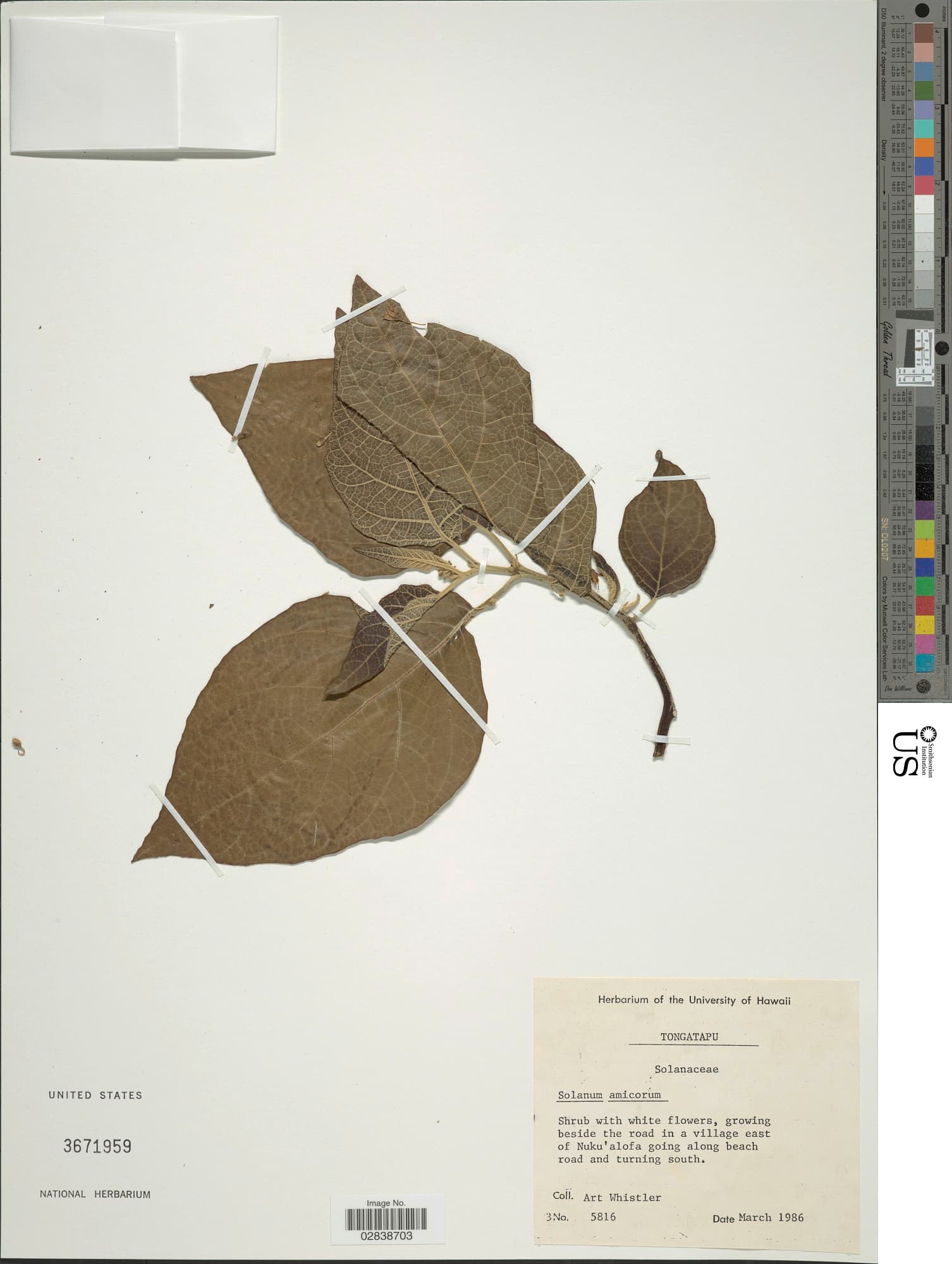
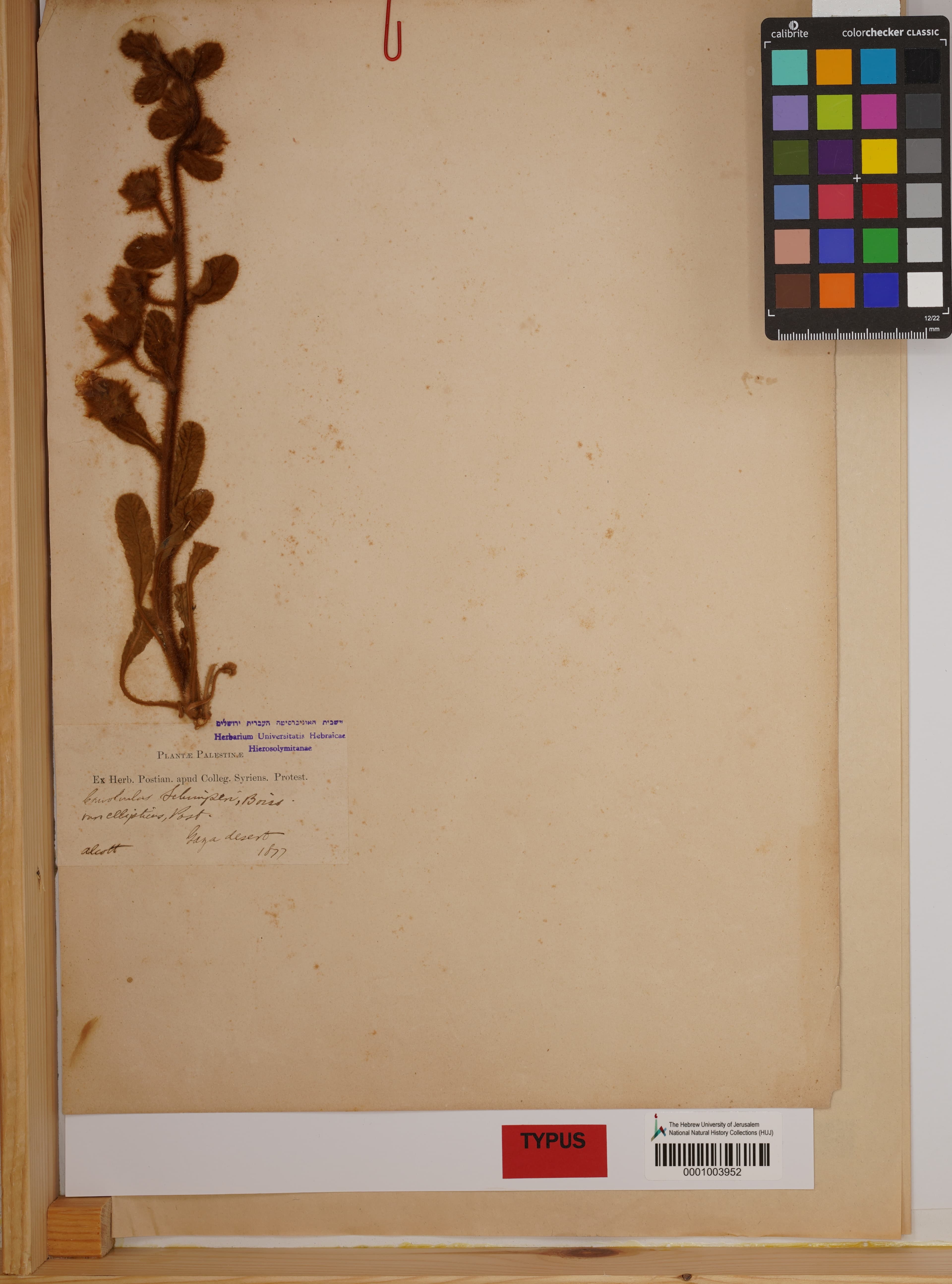
Shockley's desert-thorn
NameShockley's desert-thorn
Scientific NameLycium shockleyi
Common NamesShockley's desert-thorn, Shockley's wolfberry
Plant FamilySolanaceae
Natural HabitatNative to arid and semi-arid regions of the southwestern United States (e.g., California, Nevada, Arizona, Utah) and parts of Mexico. It thrives in desert scrub, washes, rocky slopes, and alkaline soils.
Parts Usedfruit,leaf
Medicinal Actionsadaptogen, anti-inflammatory, antioxidant
Traditional UsesWhile specific ethnobotanical records for *Lycium shockleyi* are less documented than for other *Lycium* species (like Goji berry), indigenous groups in its native range likely consumed its berries as a food source. Other *Lycium* species are traditionally used for promoting general vitality, supporting eye health, and boosting immune function.
Active ConstituentsPolysaccharides, Carotenoids, Flavonoids, Vitamins (e.g., Vitamin C)
Preparation Methodsinfusion, decoction, powder
Contraindications & WarningsGenerally considered safe when consumed as food. However, as with other *Lycium* species, large medicinal doses may potentially interact with anticoagulant medications (e.g., warfarin) and individuals with diabetes should monitor blood sugar levels due to the fruit's sugar content.
Cultivation NotesThis plant is highly drought-tolerant and thrives in full sun with well-drained, sandy or rocky soil. It requires minimal water once established and is well-suited for xeriscaping in desert climates.
Raritycommon
Description
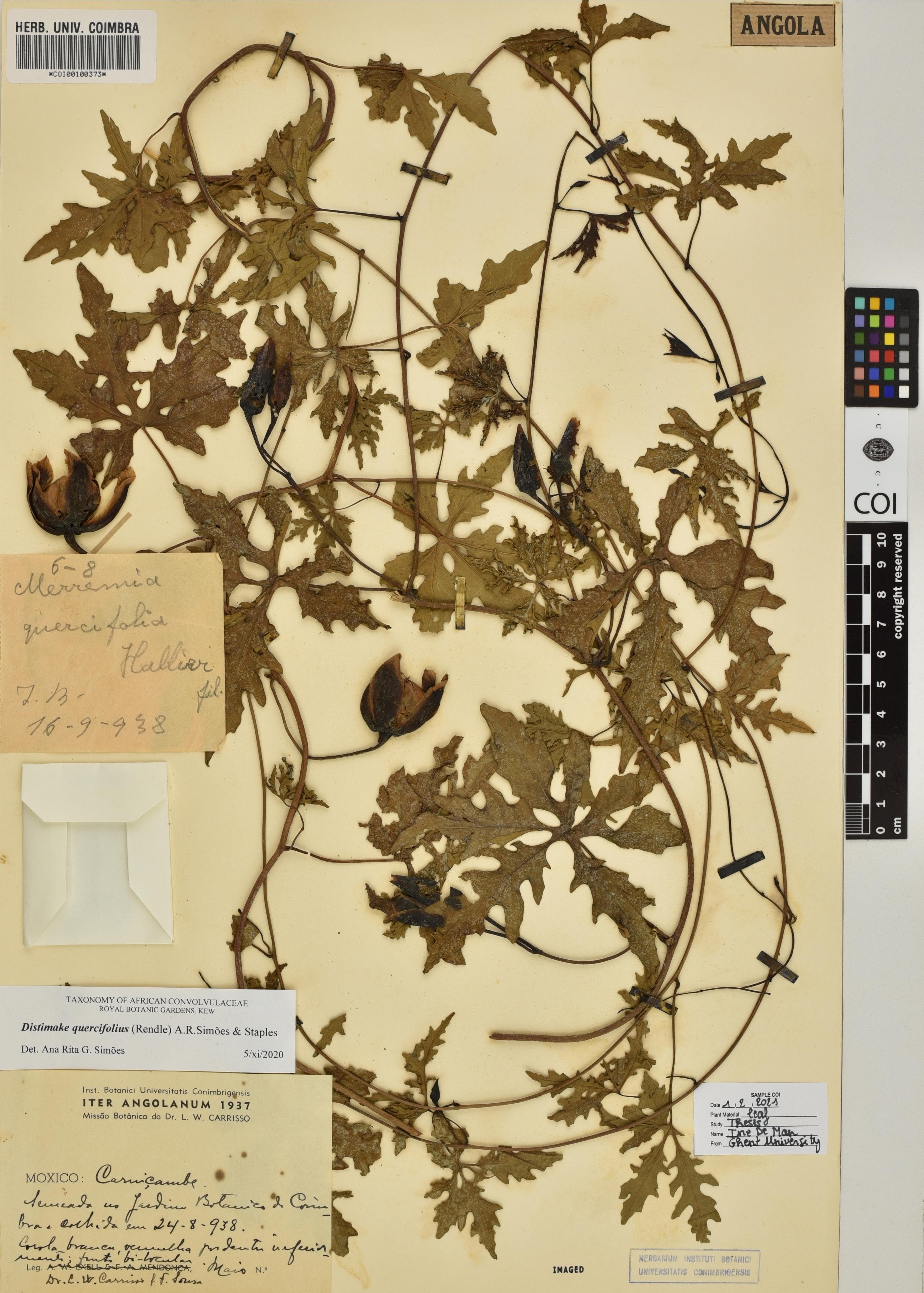
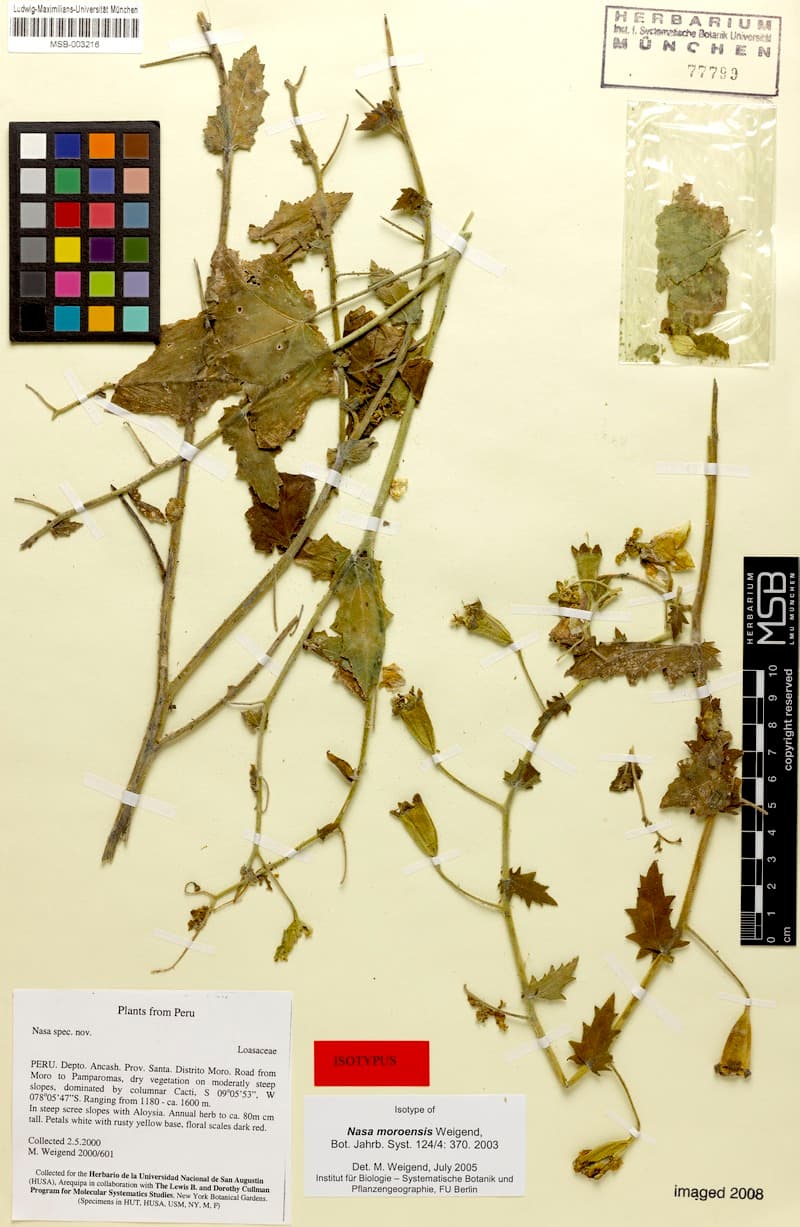
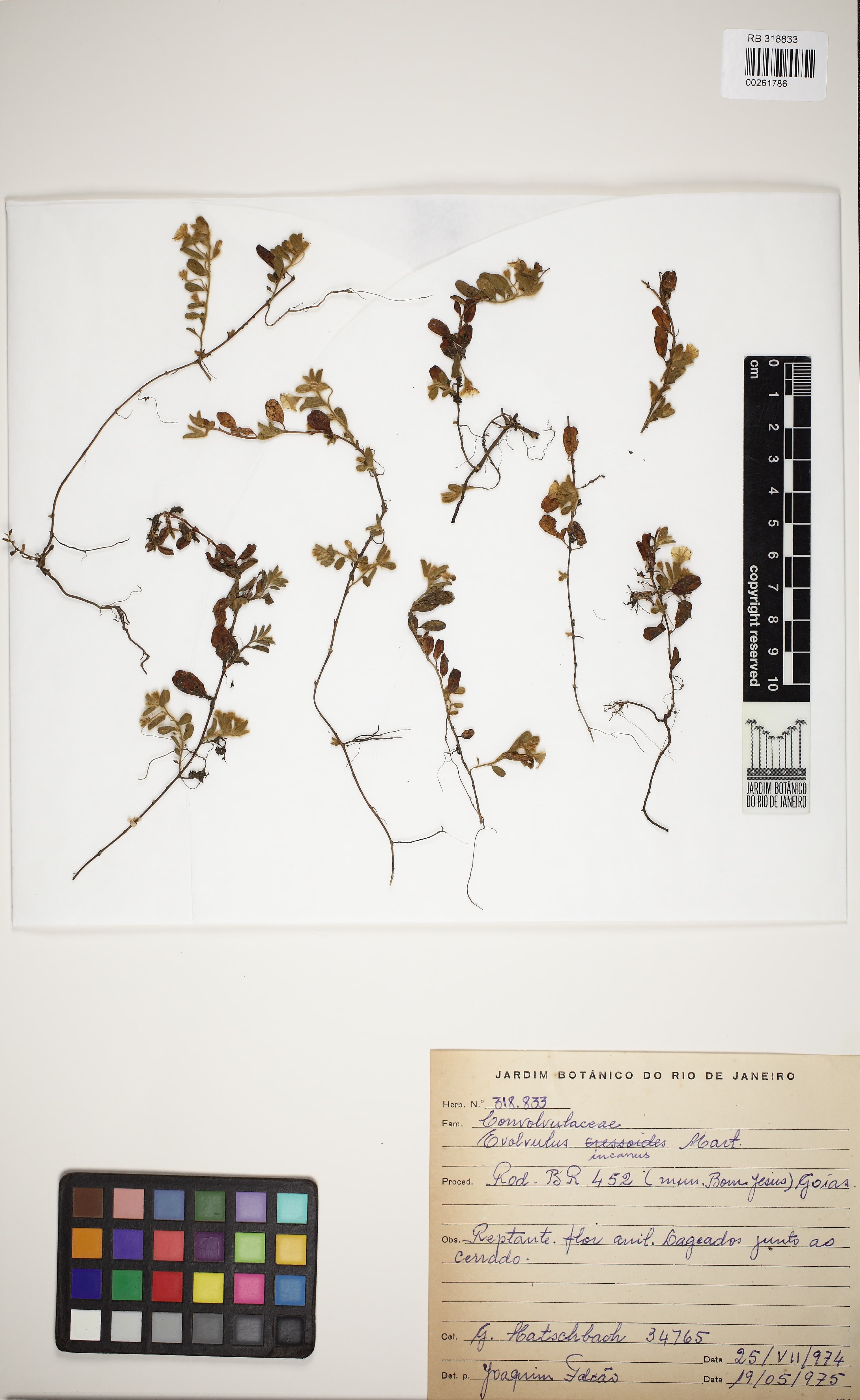
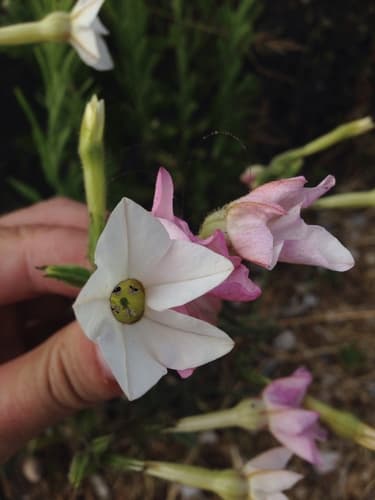
Shockley's desert-thorn is a thorny, deciduous shrub characterized by its small, fleshy, spatulate leaves and inconspicuous, cream-colored, tubular flowers. It produces small, red to orange berries. The plant often has a somewhat succulent appearance due to its thick leaves.