Sea Tobacco
NameSea Tobacco
Scientific NameNicotiana maritima
Common NamesSea Tobacco, Coastal Tobacco
Plant FamilySolanaceae
Natural HabitatNative to coastal regions of Australia, typically found growing in sandy soils, dunes, and rocky cliffs near the sea.
Parts Usedleaf,whole_plant
Medicinal Actionsanalgesic, anti-inflammatory, sedative
Traditional UsesTraditionally, Indigenous Australians have used Nicotiana species, including N. maritima, for various purposes. Leaves were often chewed (sometimes with ash) as a stimulant, pain reliever, or to suppress hunger. Topically, it was applied as a poultice for aches, pains, insect bites, and wounds due to its analgesic and anti-inflammatory properties. Its use often carried ritualistic or ceremonial significance.
Active ConstituentsNicotine, Anabasine, Nornicotine
Preparation Methodspoultice, powder, infusion
Contraindications & WarningsHighly toxic and addictive. Not recommended for internal use due to severe toxicity and potential for addiction. Contraindicated in pregnancy, lactation, heart conditions, hypertension, gastrointestinal issues, and by children. Interacts with numerous medications.
Cultivation NotesPrefers well-drained, sandy soils and full sun exposure. It is drought-tolerant once established and thrives in coastal environments. Can be propagated from seed.
Raritycommon
Description
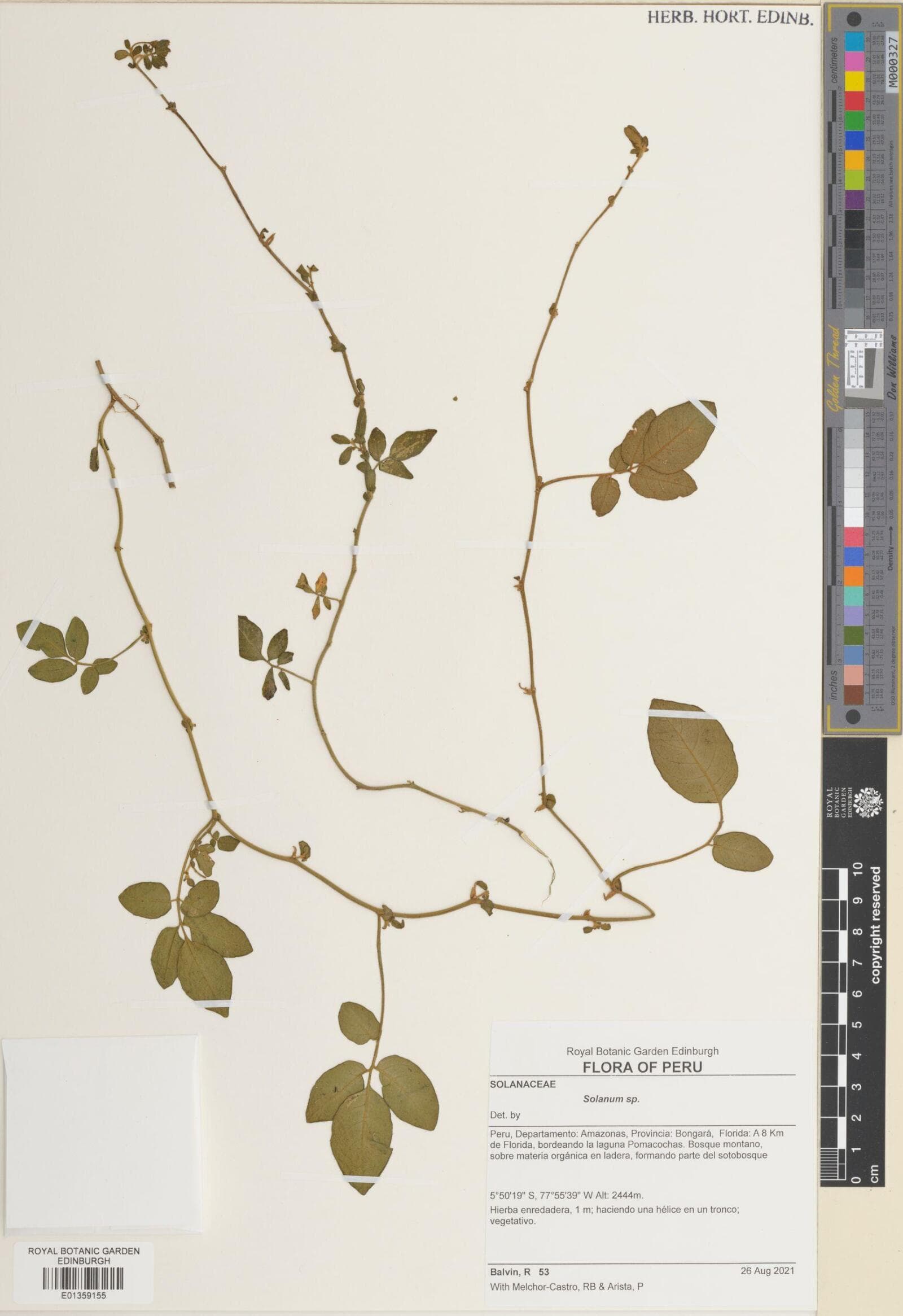
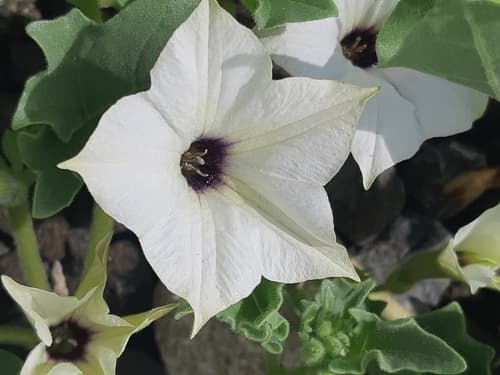
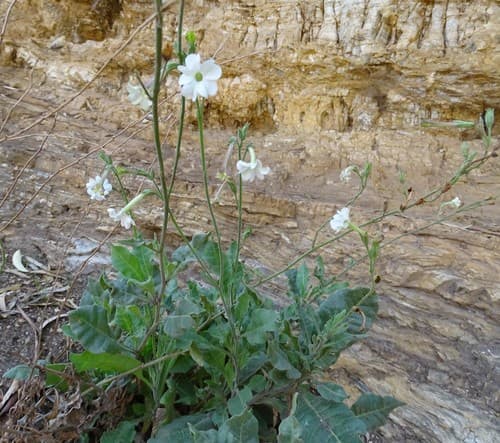
Nicotiana maritima is a herbaceous plant, often annual or short-lived perennial, characterized by a basal rosette of large, often sticky-hairy leaves. It produces upright stems bearing trumpet-shaped, white flowers in loose panicles.