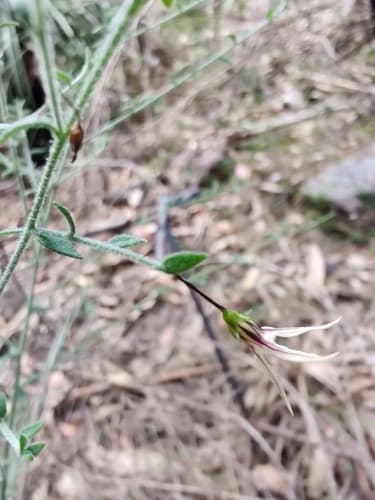
Scarlet Creeper
NameScarlet Creeper
Scientific NameIpomoea coccinea
Common NamesScarlet Creeper, Red Morning Glory, Star Ipomoea, Mexican Morning Glory
Plant FamilyConvolvulaceae
Natural HabitatNative to tropical and subtropical regions of the Americas, it thrives in warm climates and well-drained soils. It is commonly found in disturbed areas, roadsides, fields, and forest edges, often naturalizing readily.
Parts Usedleaf,seed
Medicinal Actionsantioxidant, antimicrobial, anti-inflammatory
Traditional UsesHistorically, the seeds of some *Ipomoea* species, including those related to Scarlet Creeper, were used for their strong laxative effects. In some traditional practices, the leaves have been applied topically for minor skin ailments and irritations, suggesting antimicrobial and anti-inflammatory properties.
Active ConstituentsGlycosidic resins, flavonoids, phenolic compounds
Preparation Methodsinfusion, powder, poultice
Contraindications & WarningsDue to the potential purgative effects of the seeds, consumption should be avoided by pregnant or breastfeeding women, young children, and individuals with gastrointestinal disorders. Large doses of seeds can be toxic.
Cultivation NotesEasily grown from seed in full sun and well-drained soil, Scarlet Creeper is a vigorous climber. It can self-seed readily and may become weedy in favorable conditions. It requires warm temperatures and is sensitive to frost.
Raritycommon
Description
A fast-growing annual vine, Scarlet Creeper produces numerous small, trumpet-shaped flowers that are typically vibrant scarlet-red with a yellow throat. Its leaves are generally heart-shaped or three-lobed, and the plant climbs by twining around available supports.