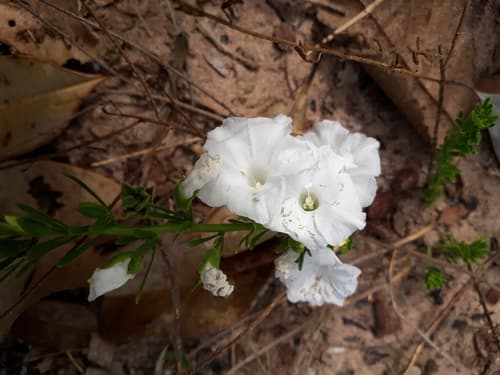
Sand Blazingstar
NameSand Blazingstar
Scientific NameMentzelia involucrata
Common NamesSand Blazingstar, White-bract Blazingstar, Desert Blazingstar
Plant FamilyLoasaceae
Natural HabitatNative to arid and semi-arid regions of southwestern North America, typically found in sandy soils, washes, desert flats, and disturbed areas at lower elevations.
Parts Usedseed,leaf,whole_plant
Medicinal Actionsdemulcent
Traditional UsesWhile not extensively documented in mainstream herbalism, some indigenous groups in its native range traditionally used the seeds, sometimes ground into a meal. The plant's mucilaginous properties from the seeds may have been utilized for soothing purposes, and the leaves or whole plant might have been applied as poultices for skin irritations.
Active ConstituentsMucilage, Tannins
Preparation Methodsinfusion, poultice
Contraindications & WarningsSpecific contraindications are largely unknown due to limited scientific and traditional medicinal study. Caution is advised due to the barbed hairs on the plant, which can cause mechanical irritation upon contact.
Cultivation NotesPrefers full sun and well-draining, sandy or gravelly soils. It is highly drought-tolerant and thrives in hot, dry conditions. Propagated by seed, best sown directly in fall or early spring in its native climate.
Raritycommon
Description
This annual herb features striking pale cream to yellowish, cup-shaped flowers often subtended by prominent, toothed, whitish bracts. Its stems and deeply lobed, grayish-green leaves are covered in stiff, barbed hairs, giving the plant a rough texture. The plant typically grows low to the ground in a sprawling habit.