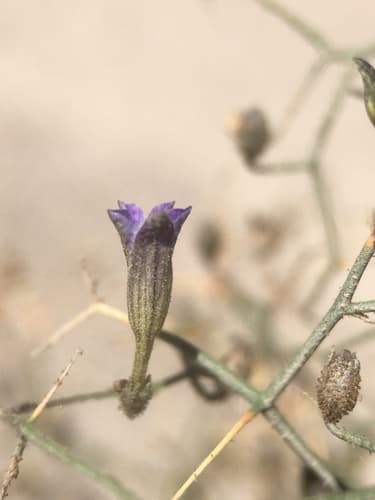
Rocky Mountain Parnassian
NameRocky Mountain Parnassian
Scientific NameArnica cordifolia
Common NamesHeartleaf Arnica, Mountain Arnica
Plant FamilyAsteraceae
Natural HabitatAlpine and subalpine meadows, open forests, and clearings in mountainous regions, particularly the Rocky Mountains of North America.
Parts Usedflower,whole_plant
Medicinal Actionsanti-inflammatory, analgesic, antimicrobial
Traditional UsesTraditionally used externally for bruises, sprains, muscle pain, and inflammation. It was also used by some Indigenous groups for various ailments, often as a poultice or liniment for external application.
Active Constituentssesquiterpene lactones, flavonoids, coumarins
Preparation Methodstincture, poultice, salve, infusion
Contraindications & WarningsFor external use only; not to be taken internally due to toxicity. Avoid use on broken skin. May cause allergic reactions in sensitive individuals, especially those allergic to Asteraceae.
Cultivation NotesPrefers well-drained, acidic soil in partial shade to full sun in cooler climates. Propagated by seed or division. Requires a mountain-like environment to thrive.
Raritycommon
Description
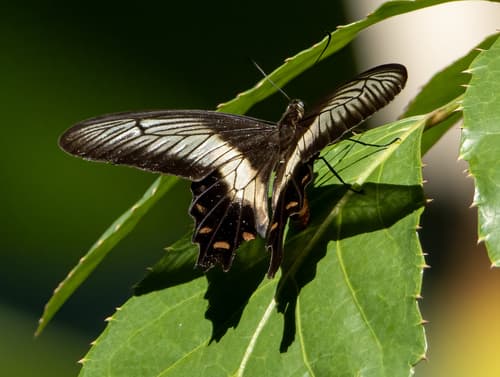
While 'Rocky Mountain Parnassian' refers to a butterfly (Parnassius smintheus), the plant depicted in the image, on which the butterfly rests, appears to be a species of Arnica, likely Heartleaf Arnica (*Arnica cordifolia*). This perennial herb typically grows to 30-60 cm tall with heart-shaped basal leaves and bright yellow, daisy-like flower heads.