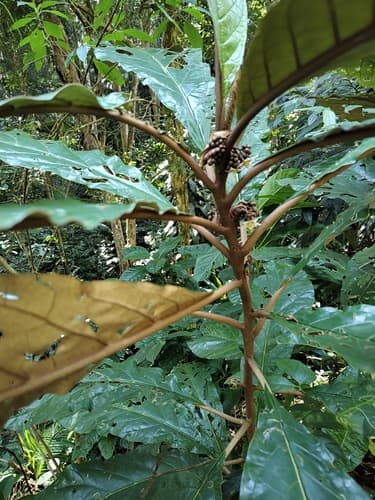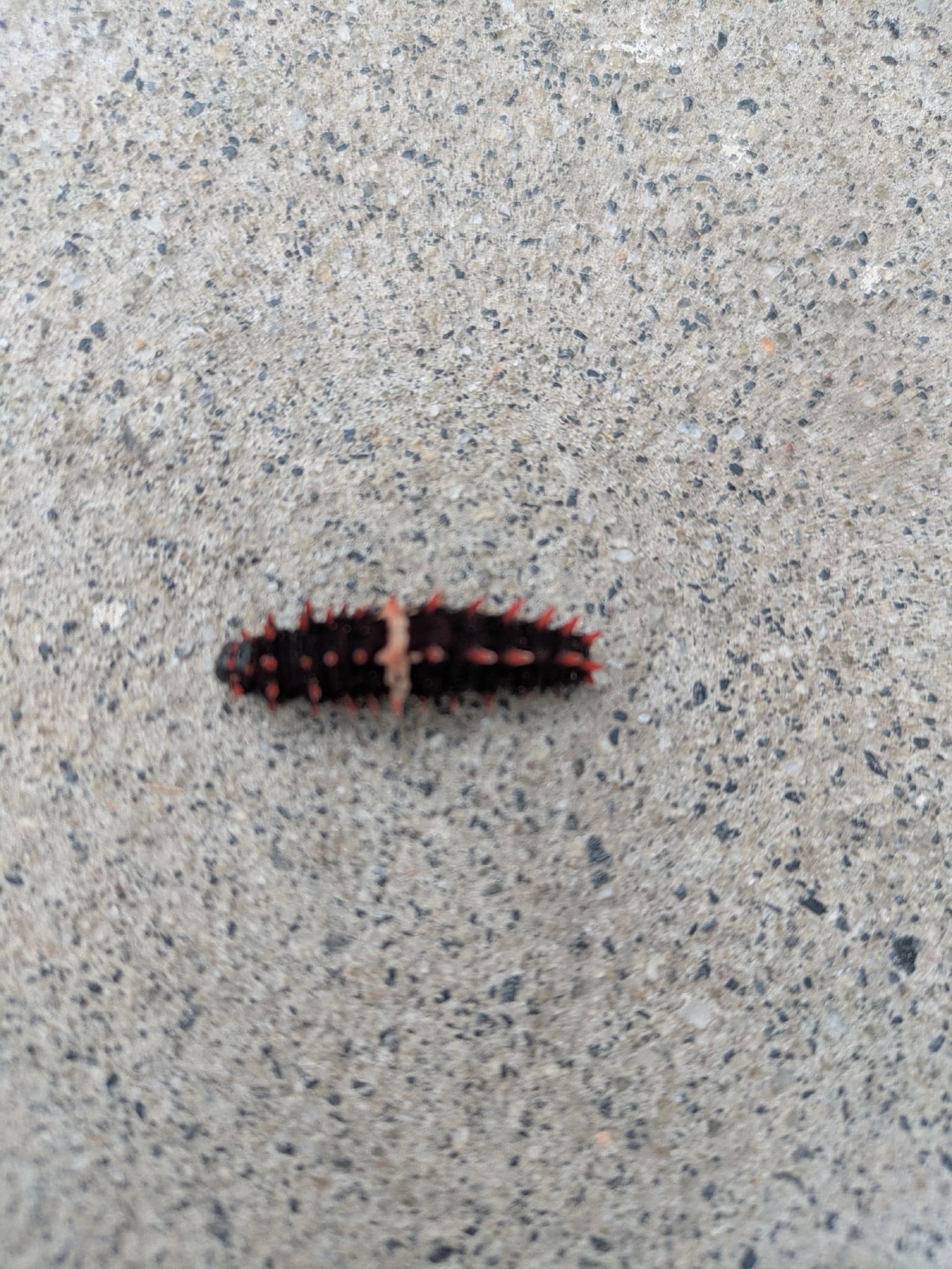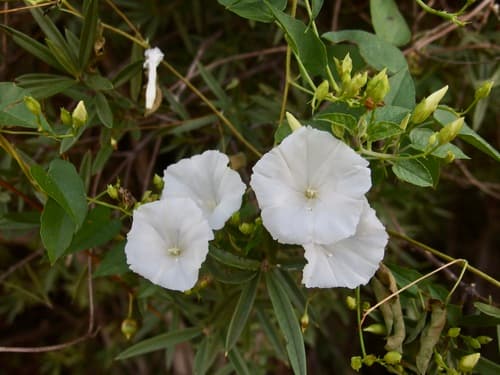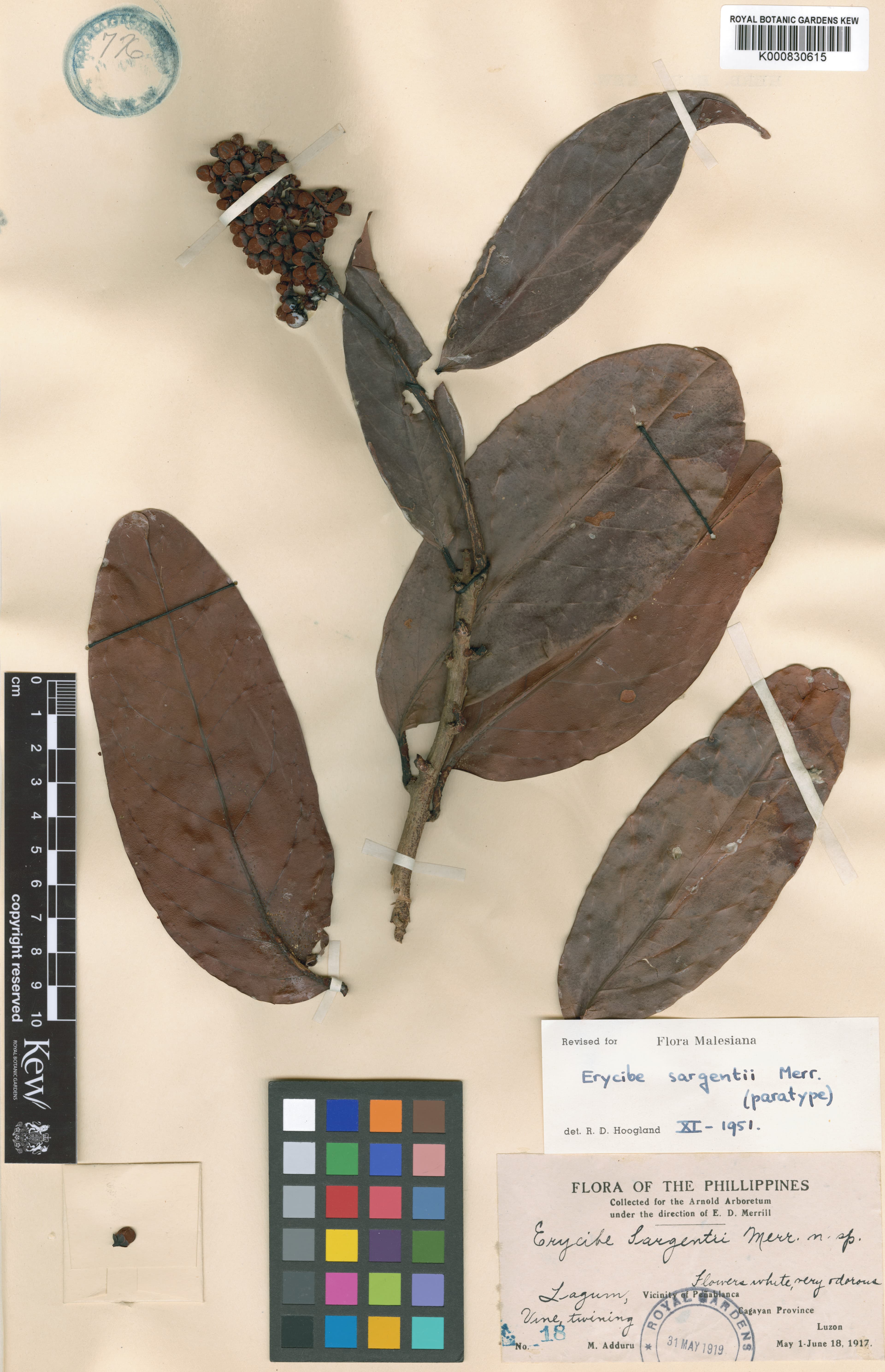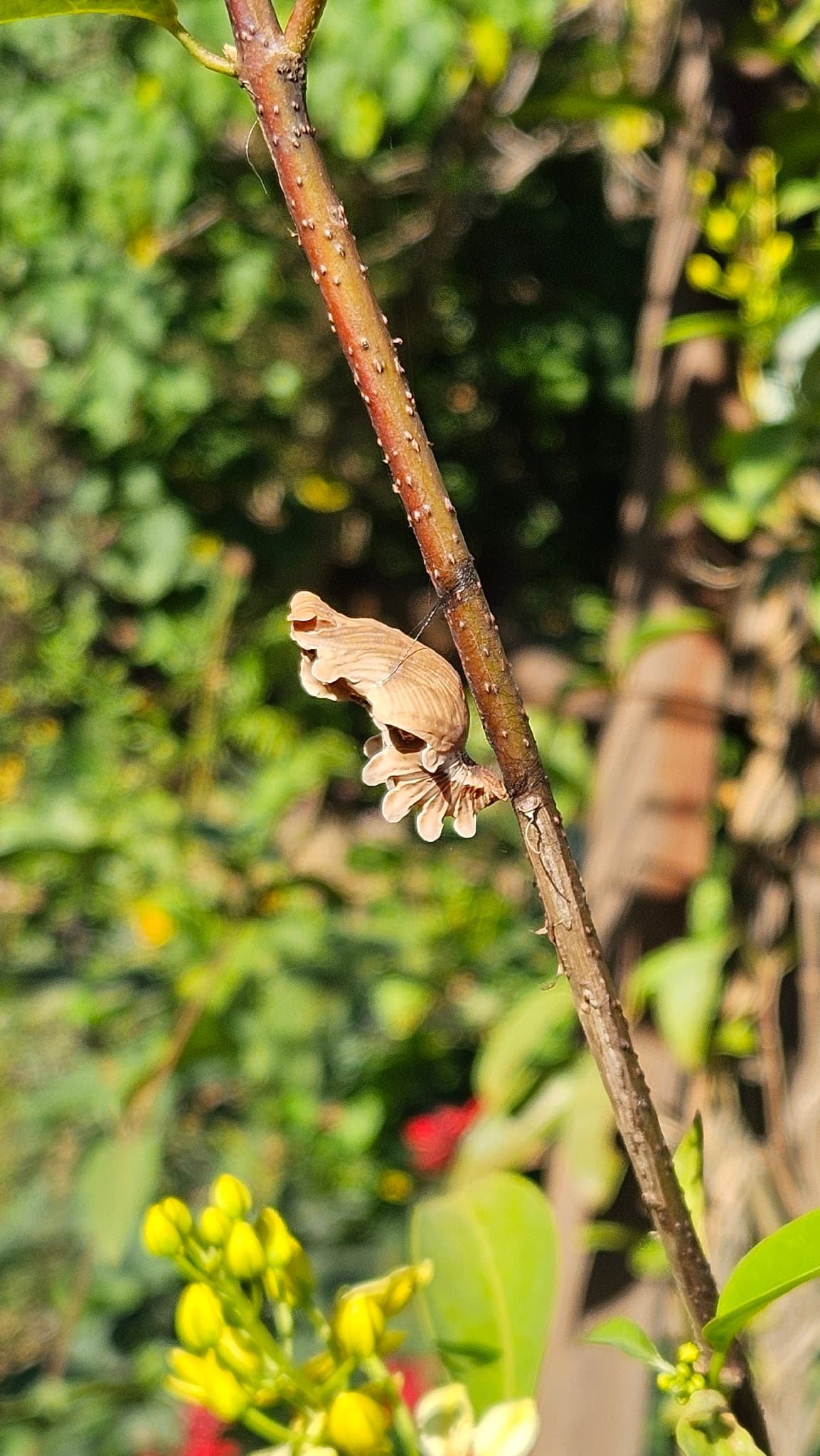
Pachliopta varus
Image: lokechin (cc-by-nc)
NamePachliopta varus
Scientific NameAristolochia spp.
Common NamesBirthwort, Pipevine
Plant FamilyAristolochiaceae
Natural HabitatFound in tropical and temperate regions worldwide, typically in woodlands, forest edges, and disturbed areas, often climbing on other vegetation. They thrive in well-drained soils and can tolerate various light conditions.
Parts Usedroot,whole_plant
Medicinal Actionsdiuretic, emmenagogue, anti-inflammatory
Traditional UsesHistorically, various Aristolochia species were used in traditional medicine as diuretics, to promote menstruation, and to assist in childbirth (hence 'birthwort'). They were also applied topically for wound healing and skin conditions. However, due to severe toxicity, their medicinal use is now largely abandoned and prohibited globally.
Active ConstituentsAristolochic acids, lignans, flavonoids
Preparation Methodsinfusion, decoction, poultice
Contraindications & WarningsEXTREMELY TOXIC AND CARCINOGENIC. Contains aristolochic acids, which cause irreversible kidney damage (nephrotoxicity) and are potent carcinogens, leading to urinary tract cancers. Internal use is strictly prohibited globally. Topical use is also highly discouraged due to absorption risks and potential for systemic toxicity.
Cultivation NotesCultivated primarily as ornamental plants or for butterfly gardens (as host plants for swallowtail butterflies). They prefer full sun to partial shade and well-drained soil. Some species can be invasive and require management to prevent spread.
Raritycommon
Description
A genus of herbaceous perennial vines or shrubs, often characterized by heart-shaped leaves and distinctive, often pipe-shaped, yellowish-green to purplish flowers. Many species are known for their unique floral structures designed for insect trapping, and serve as host plants for butterflies like Pachliopta.