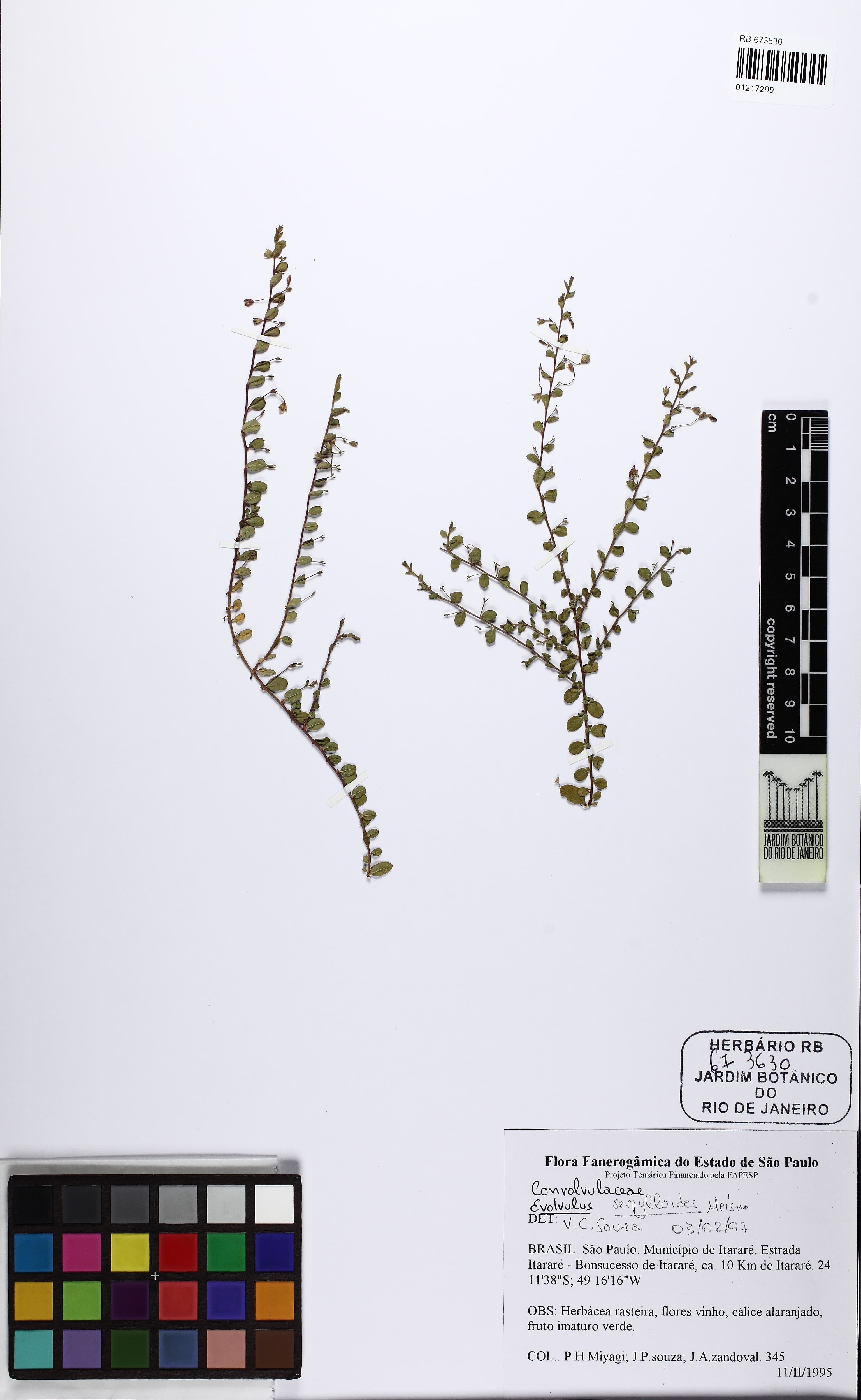
Mejiro-hozuki
NameMejiro-hozuki
Scientific NameSolanum lyratum
Common NamesMejiro-hozuki, Japanese Nightshade, Potato Vine
Plant FamilySolanaceae
Natural HabitatNative to East Asia, including Japan, Korea, China, and Taiwan, it thrives in forests, forest margins, thickets, and disturbed areas. It prefers moist, well-drained soils and can be found in shaded to partially shaded environments.
Parts Usedwhole_plant,leaf,fruit
Medicinal Actionsanti-inflammatory, diuretic, analgesic, antimicrobial
Traditional UsesIn traditional East Asian medicine, Mejiro-hozuki has been used to treat various inflammatory conditions such as arthritis, hepatitis, and mastitis. It is also employed for its diuretic properties to address edema and urinary issues, and applied topically for skin infections, swellings, and insect bites.
Active Constituentssteroidal alkaloids (e.g., solanine, solamargine, solasonine), flavonoids, saponins
Preparation Methodsdecoction, poultice, infusion
Contraindications & WarningsDue to the presence of potentially toxic steroidal alkaloids, internal use of Solanum lyratum should be approached with caution and under expert guidance. It is generally contraindicated for pregnant or breastfeeding women, young children, and individuals with liver or kidney conditions. Overconsumption can lead to gastrointestinal upset, neurological symptoms, and other adverse effects.
Cultivation NotesThis vigorous plant prefers moist, well-drained soil and can grow in partial shade to full sun. It can be propagated by seed or cuttings and may become invasive in suitable climates if not managed.
Raritycommon
Description
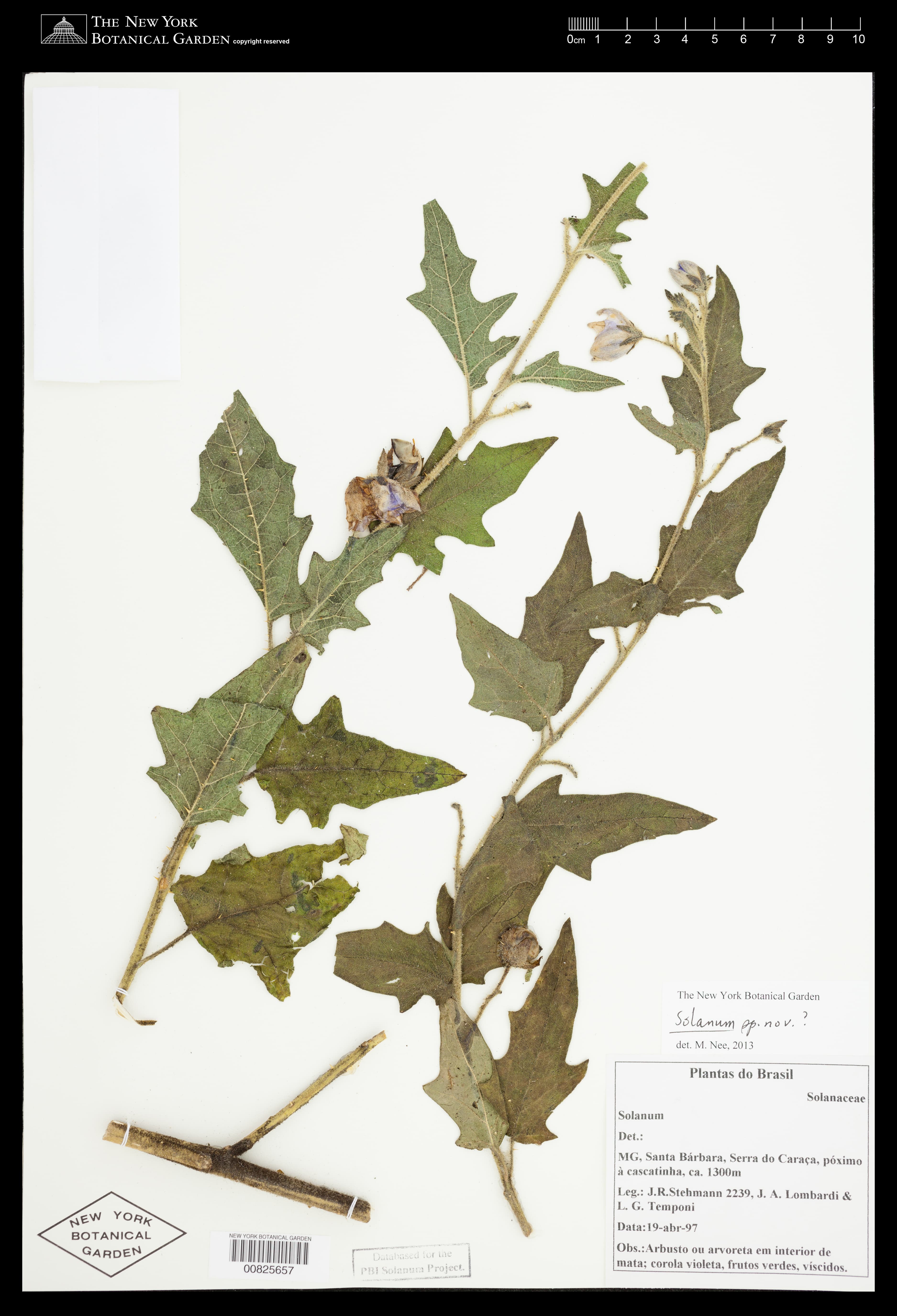
Solanum lyratum is a perennial herbaceous vine or sprawling shrub, characterized by its lobed leaves and small white to purplish flowers. It produces small, spherical berries that ripen from green to a vibrant red, often subtended by a persistent, spiky calyx.