Maca
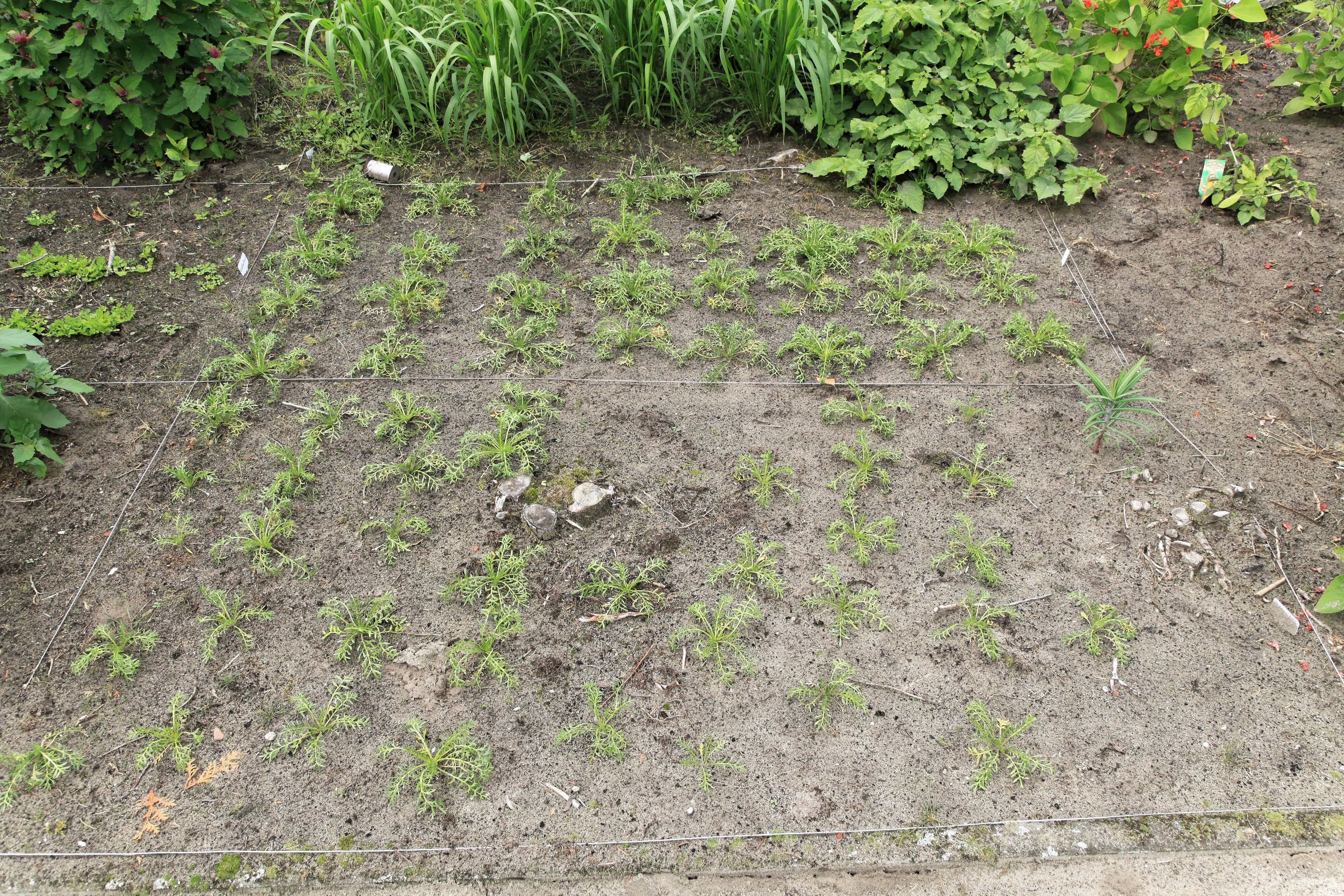
Image: Frank Vincentz (CC BY-SA 3.0)
NameMaca
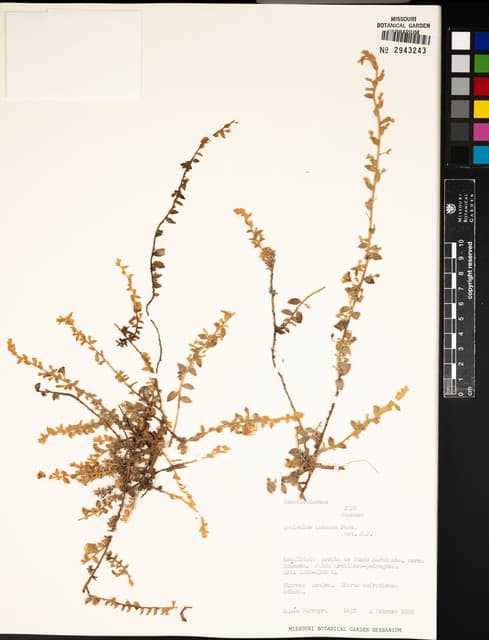
Scientific NameLepidium meyenii
Common NamesMaca, Peruvian Ginseng, Maca-Maca, Maino, Ayak Chichira, Ayuk Willku
Plant FamilyBrassicaceae
Natural HabitatNative to the high-altitude Andes mountains of Peru, typically growing at elevations between 3,800 to 4,800 meters (12,500 to 15,750 feet) in rocky, poor soils.
Parts Usedroot
Medicinal Actionsadaptogen, antioxidant
Traditional UsesTraditionally used by indigenous Andean people as a food source and for its medicinal properties to enhance fertility, improve stamina, boost energy, and support overall vitality. It was also used to alleviate symptoms of menopause and as an aphrodisiac.
Active ConstituentsMacamides, Macaenes, Glucosinolates, Alkaloids, Sterols, Polysaccharides, Amino acids, Minerals
Preparation Methodspowder, infusion, decoction, tincture
Contraindications & WarningsGenerally considered safe, but caution is advised for individuals with hormone-sensitive conditions due to potential hormonal effects. Pregnant or breastfeeding women should consult a healthcare professional. May interact with blood-thinning medications.
Cultivation NotesPrefers high-altitude, cold climates with strong sunlight and well-drained, rocky soils. It is a hardy plant that can tolerate frost and requires a long growing season.
Raritycommon
Description
Maca is a biennial herbaceous plant native to the high Andes of Peru, known for its resilience in harsh, cold, and high-altitude environments. It produces a radish-like taproot (hypocotyl) which is the primary part used, and a rosette of leaves that lie flat on the ground.