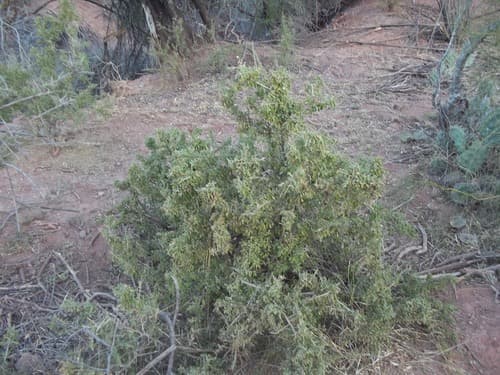
Lycium schreiteri
NameLycium schreiteri
Scientific NameLycium schreiteri
Common NamesSchreiter's Desert Thorn, Wolfberry
Plant FamilySolanaceae
Natural HabitatNative to arid and semi-arid regions of South America, particularly Argentina, where it thrives in dry, rocky soils, disturbed areas, and desert scrublands. It is highly drought-tolerant.
Parts Usedfruit,leaf,root
Medicinal Actionsadaptogen, antioxidant, anti-inflammatory
Traditional UsesWhile specific traditional uses for Lycium schreiteri are less documented than for its more famous relatives (like Goji berry), other Lycium species are traditionally used as a general tonic to enhance vitality, support immune function, and improve overall well-being. The berries are often consumed for their purported adaptogenic and antioxidant properties, and sometimes for supporting vision and liver health.
Active ConstituentsPolysaccharides, Carotenoids, Flavonoids, Betaine, Vitamins (e.g., Vitamin C)
Preparation Methodsinfusion, decoction, powder
Contraindications & WarningsGenerally considered safe, but caution is advised for individuals on anticoagulant medications (e.g., warfarin) due to potential interactions observed with other Lycium species. May also affect blood sugar levels, so diabetics should monitor closely.
Cultivation NotesThis plant prefers full sun and well-drained soil, tolerating poor soil conditions and drought once established. It is suitable for xeriscaping in arid climates and can be propagated from seed or cuttings.
Rarityuncommon
Description
Lycium schreiteri is a thorny, deciduous shrub belonging to the nightshade family. It typically grows as a dense, multi-stemmed plant with small, green leaves and often produces small berries, characteristic of the Lycium genus.