Lycianthes venturana
NameLycianthes venturana
Scientific NameLycianthes venturana
Plant FamilySolanaceae
Natural HabitatLikely found in tropical or subtropical forest understories, clearings, or disturbed areas within its native range, which includes parts of Central America.
Parts Used
Traditional UsesSpecific traditional medicinal uses for *Lycianthes venturana* are not widely documented in ethnobotanical literature. The genus *Lycianthes* belongs to the Solanaceae family, which contains many species with potent compounds, some of which are toxic, while others have medicinal or edible properties. Due to the lack of specific research, no traditional uses can be confidently stated for this particular species.
Contraindications & WarningsDue to the lack of specific ethnobotanical data and its membership in the Solanaceae family, which includes many toxic species (e.g., nightshades), *Lycianthes venturana* should be considered potentially toxic. Internal use is strongly contraindicated without extensive scientific research and expert guidance.
Cultivation NotesRequires a warm, humid climate, typical of tropical or subtropical regions. Prefers well-drained soil and partial shade. Propagation is likely by seed or cuttings, but specific horticultural information is limited.
Rarityuncommon
Description
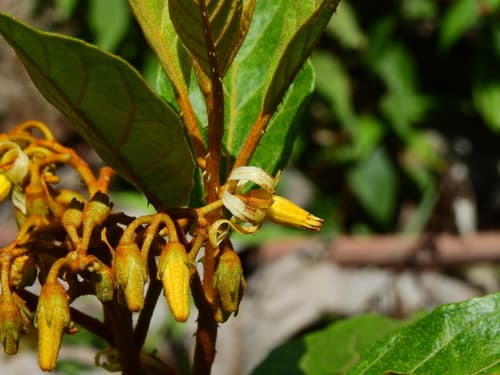
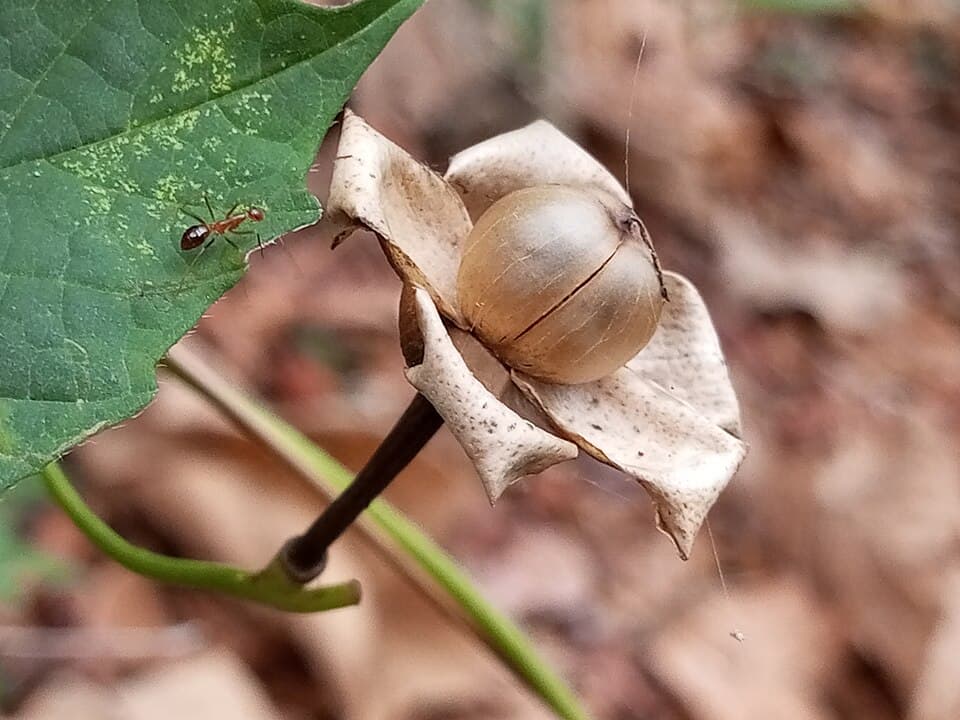
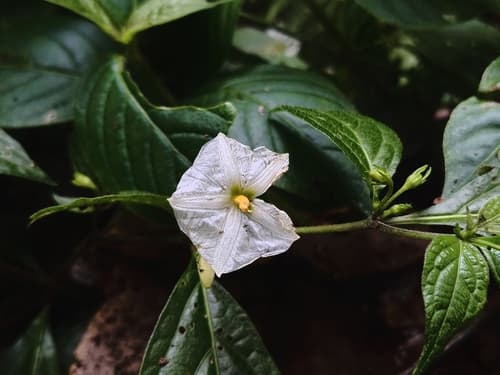
This plant is characterized by its simple, ovate to lanceolate leaves with visible venation, arranged alternately along the stem. It produces solitary, star-shaped flowers that are typically white with five petals, featuring a prominent yellow central reproductive structure.