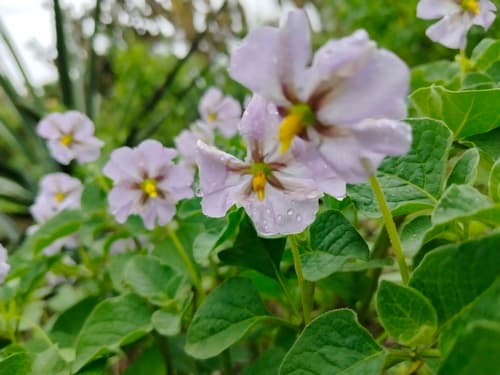
Lycianthes dejecta
NameLycianthes dejecta
Scientific NameLycianthes dejecta
Common NamesWild Potato, False Nightshade
Plant FamilySolanaceae
Natural HabitatNative to tropical and subtropical regions of Central and South America, it commonly grows in disturbed areas, forest edges, clearings, and agricultural fields.
Parts Usedleaf,fruit,root
Medicinal Actionsanti-inflammatory, analgesic, antimicrobial
Traditional UsesTraditionally, various parts of Lycianthes species, including L. dejecta, have been used in some indigenous cultures for their anti-inflammatory and pain-relieving properties. Preparations from the leaves or fruits might be applied topically for skin conditions, wounds, or to alleviate localized pain, while internal use for fevers or other ailments is also reported in some traditions, though with caution due to potential toxicity.
Active Constituentssteroidal glycoalkaloids, flavonoids, saponins
Preparation Methodsinfusion, poultice, decoction
Contraindications & WarningsDue to the presence of steroidal glycoalkaloids, Lycianthes dejecta should be used with extreme caution, especially internally. It is potentially toxic and not recommended for pregnant or nursing women, children, or individuals with liver or kidney conditions. Consult a qualified herbalist or medical professional before use.
Cultivation NotesThis plant thrives in tropical and subtropical climates, preferring well-drained soil and conditions ranging from partial shade to full sun. It can be propagated from seeds and is often found growing readily in disturbed habitats.
Raritycommon
Description
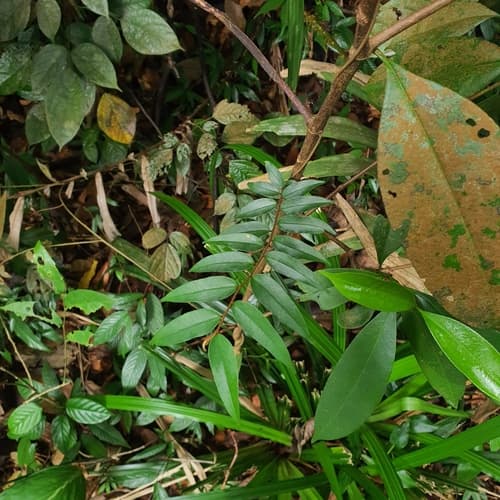
Lycianthes dejecta is a perennial herb or subshrub characterized by its simple, ovate leaves and star-shaped flowers. The flowers are typically pale purple to white with prominent yellow anthers forming a central cone, often appearing with small water droplets as seen in the image.