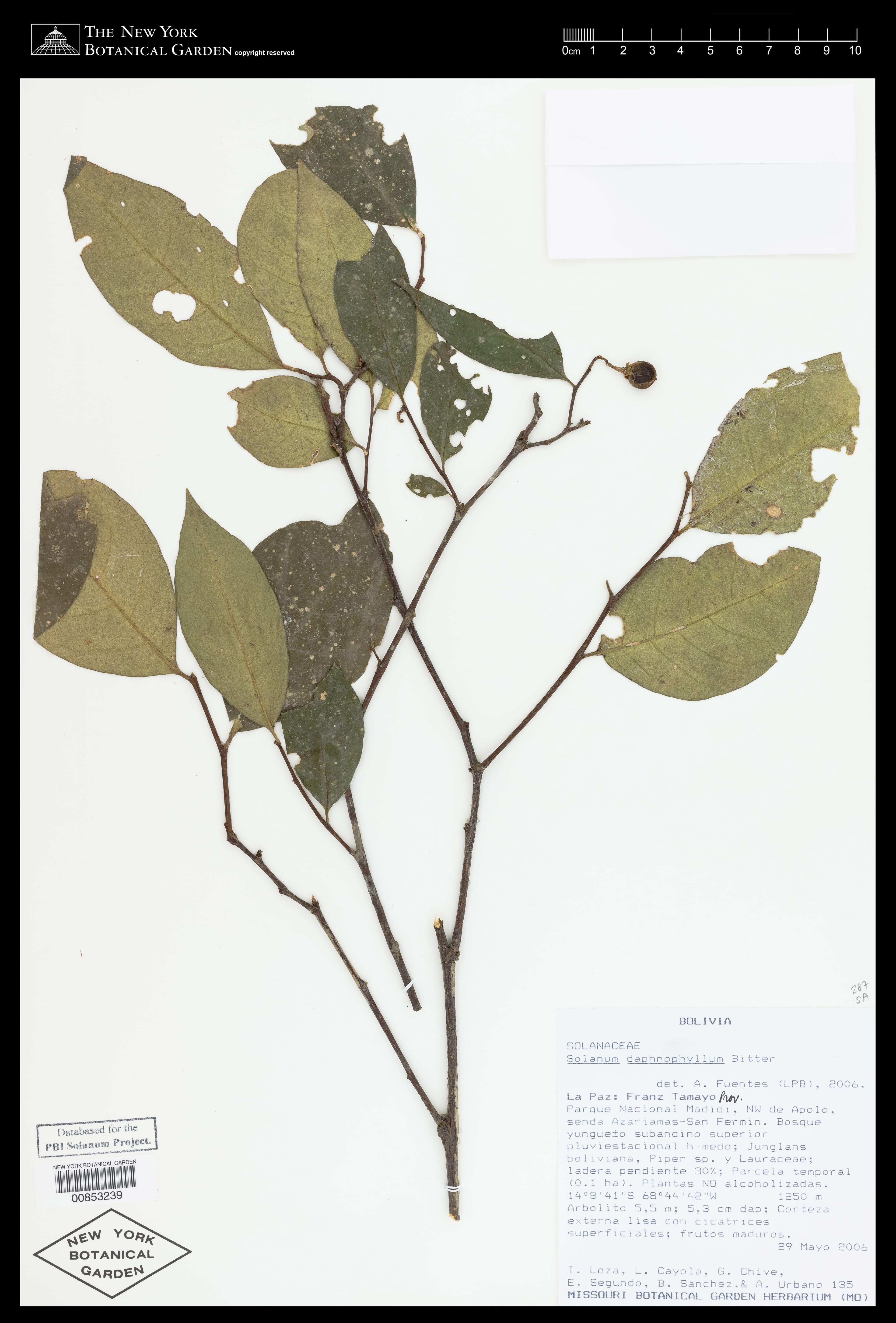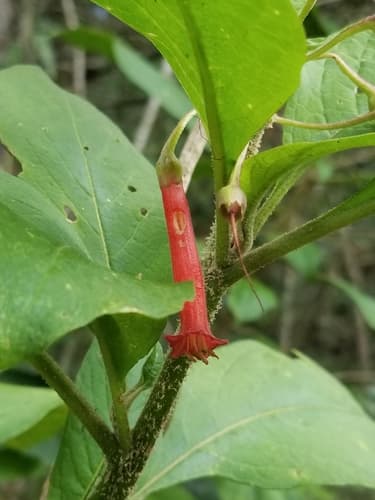
Jaborosa caulescens
NameJaborosa caulescens
Scientific NameJaborosa caulescens
Common NamesJaborosa, Caulescent Jaborosa
Plant FamilySolanaceae
Natural HabitatNative to arid and semi-arid regions of South America, particularly Argentina, where it thrives in rocky, sandy, or gravelly soils, often in high-altitude environments or dry plains.
Parts Usedroot,leaf,flower
Medicinal Actionsanalgesic, anti-inflammatory, sedative
Traditional UsesTraditionally, species of Jaborosa, including closely related ones, have been used by indigenous communities in South America for their pain-relieving and anti-inflammatory properties. The roots are often employed to alleviate various pains, including toothaches, and to reduce inflammation, sometimes also noted for sedative effects.
Active ConstituentsJaborosalactones, withanolides, alkaloids
Preparation Methodsdecoction, poultice, tincture
Contraindications & WarningsDue to the presence of potent steroidal lactones and potential sedative effects, Jaborosa caulescens should be used with extreme caution. It is contraindicated in pregnancy, lactation, and for individuals taking central nervous system depressants or other medications without professional medical advice. Potential toxicity from Solanaceae family members should always be considered.
Cultivation NotesThis plant prefers full sun and well-draining, sandy or gravelly soil, mimicking its native arid habitat. It is drought-tolerant once established and requires minimal watering. It is generally hardy in dry, temperate to warm climates.
Rarityuncommon
Description
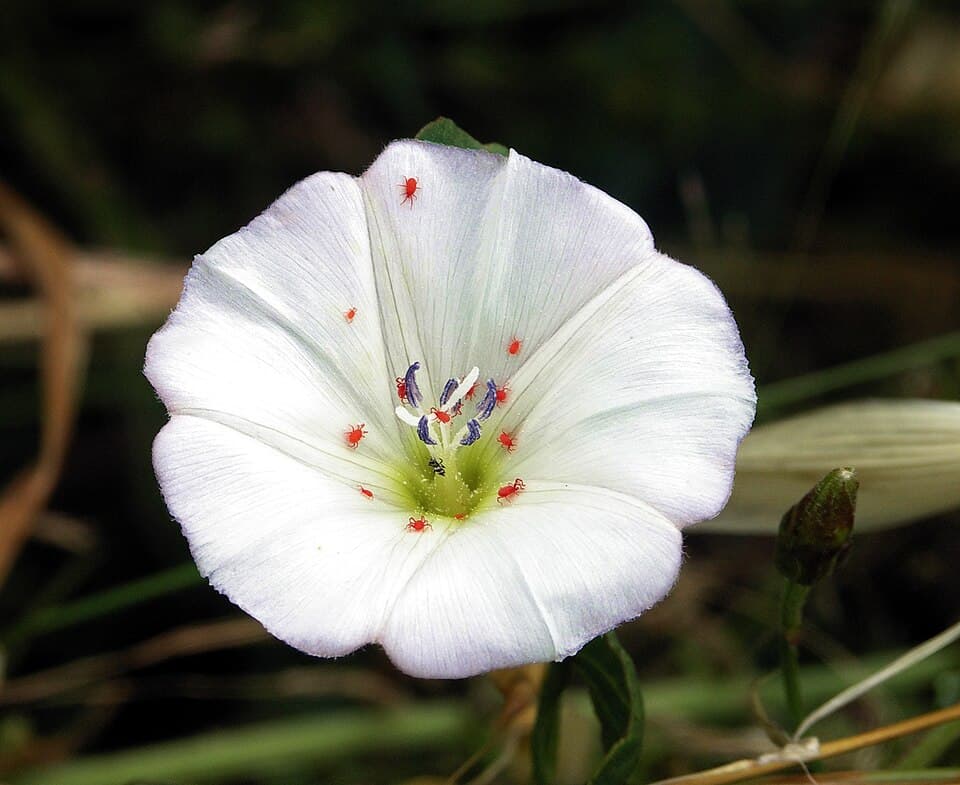
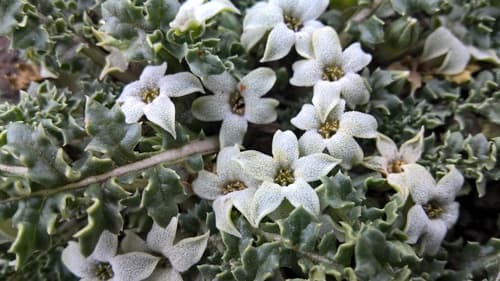
Jaborosa caulescens is a low-growing perennial herb characterized by its deeply lobed, often undulate, grey-green leaves that can appear somewhat succulent or hairy. It produces distinctive star-shaped, five-petaled white to pale cream flowers, often solitary or in small clusters, emerging from the foliage.