Ipomoea murucoides
NameIpomoea murucoides
Scientific NameIpomoea murucoides
Common NamesPalo blanco, Cazahuatl, Árbol de la mañana
Plant FamilyConvolvulaceae
Natural HabitatNative to dry tropical forests, deciduous forests, and scrublands of Mexico and Central America, thriving in rocky or sandy, well-drained soils.
Parts Usedbark,leaf,flower
Medicinal Actionsanti-inflammatory, analgesic, antimicrobial, diuretic
Traditional UsesTraditionally, the bark and leaves are used in Mexican folk medicine to treat fevers, inflammation, and various pains like headaches and toothaches. It is also employed for kidney ailments and certain skin conditions.
Active ConstituentsGlycosides, Flavonoids, Tannins
Preparation Methodsinfusion, decoction, poultice
Contraindications & WarningsDue to potential purgative effects and limited modern research, caution is advised. It should be avoided by pregnant or breastfeeding women and individuals with gastrointestinal disorders.
Cultivation NotesThis plant prefers full sun exposure and well-drained soil. It is drought-tolerant once established and can be propagated from seeds or cuttings.
Raritycommon
Description
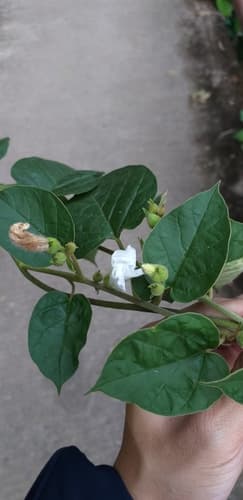
A deciduous tree or large shrub, Ipomoea murucoides is known for its pale bark and abundant white, trumpet-shaped flowers with a yellowish-purple throat. These flowers often bloom profusely before the leaves emerge, creating a striking display.