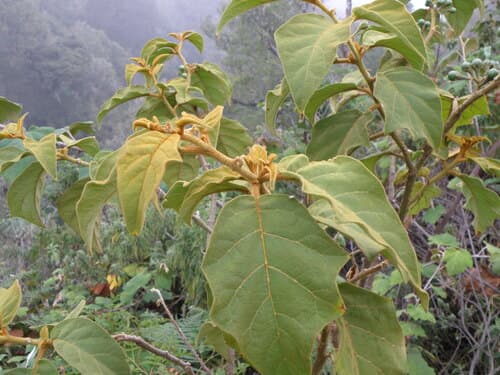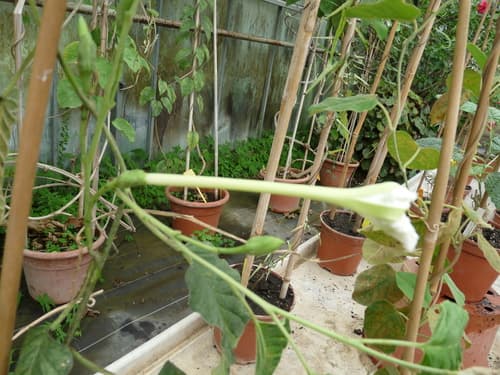
Ipomoea marmorata
NameIpomoea marmorata
Scientific NameIpomoea marmorata
Plant FamilyConvolvulaceae
Natural HabitatNative to tropical and subtropical regions of Asia, typically found in thickets, forest margins, and disturbed areas, often growing in warm, humid environments.
Parts Usedleaf,flower,whole_plant
Medicinal Actionsanti-inflammatory, antioxidant
Traditional UsesSpecific traditional medicinal uses for Ipomoea marmorata are not widely documented in available ethnobotanical literature. Other species within the Ipomoea genus are traditionally used for purgative effects, skin conditions, or as anti-inflammatories, but these uses are not confirmed for I. marmorata.
Active ConstituentsNot specifically documented for this species, but other Ipomoea species are known to contain resin glycosides and some contain ergoline alkaloids.
Preparation Methodsinfusion, decoction
Contraindications & WarningsDue to the lack of specific documented medicinal uses and active constituents for Ipomoea marmorata, specific contraindications are unknown. However, caution is advised with any Ipomoea species, as some can be purgative or psychoactive. Pregnant or nursing women, children, and individuals with gastrointestinal issues should avoid use without expert guidance.
Cultivation NotesThis climbing vine prefers warm, humid climates and well-drained soil. It can be grown from seed and requires support for its climbing habit, such as a trellis or stakes. It thrives in full sun to partial shade.
Rarityuncommon
Description
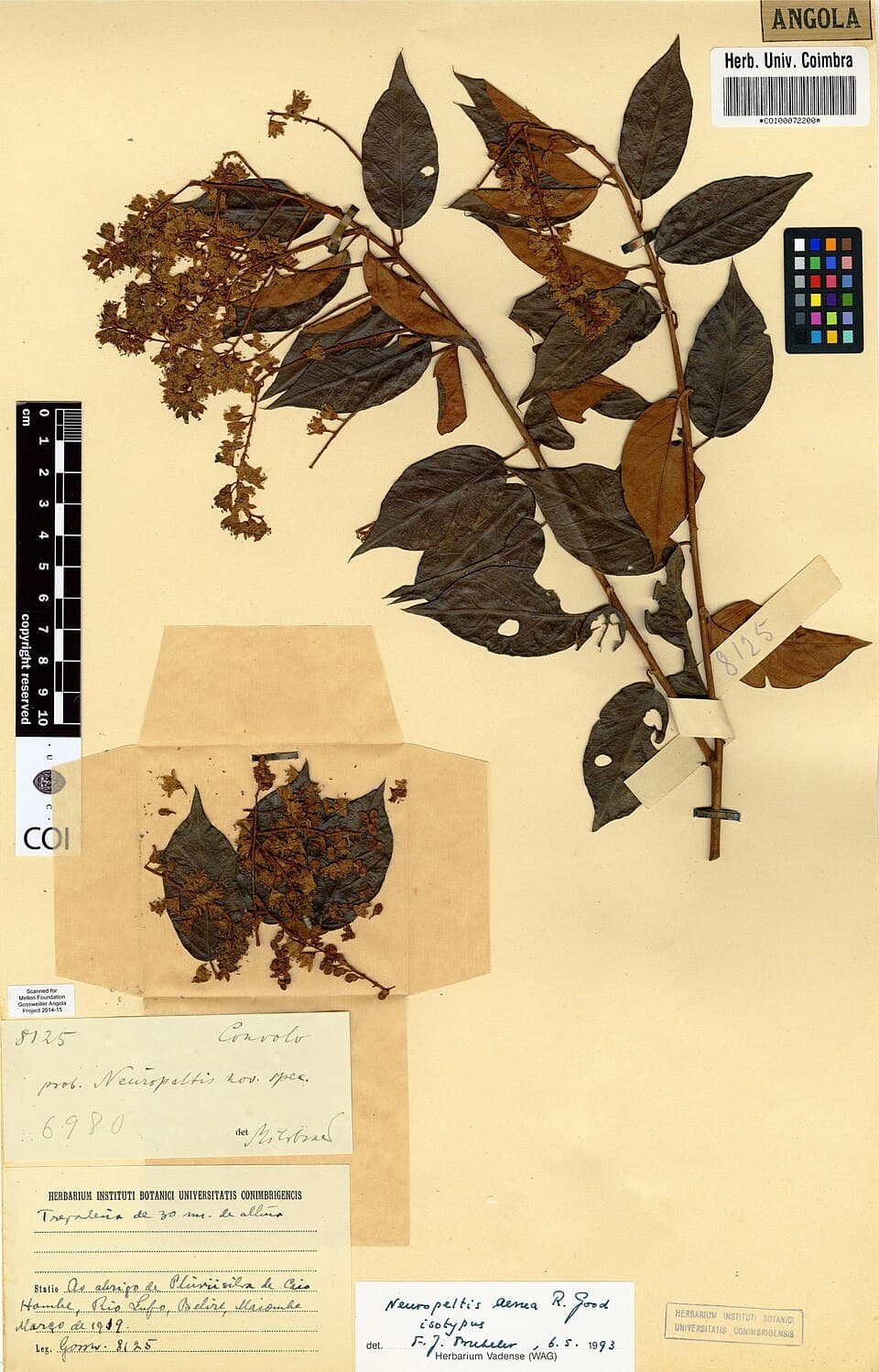
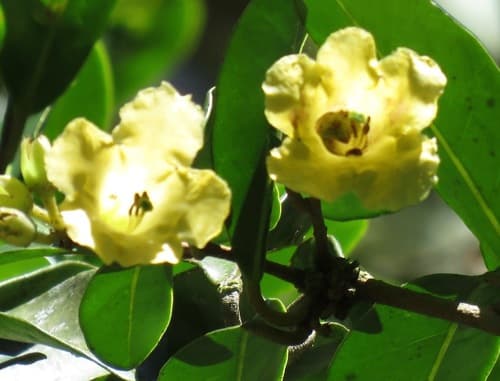
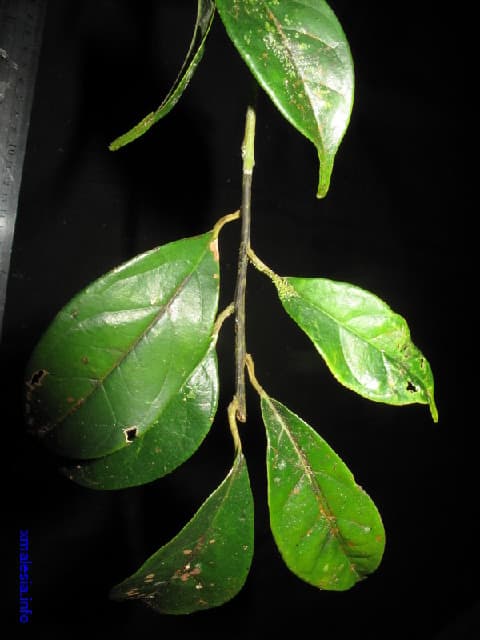
Ipomoea marmorata is a perennial herbaceous climber characterized by slender stems and ovate to broadly ovate leaves with a cordate base. It produces funnel-shaped white flowers, often solitary or in small cymes, with a distinctive long, slender corolla tube.