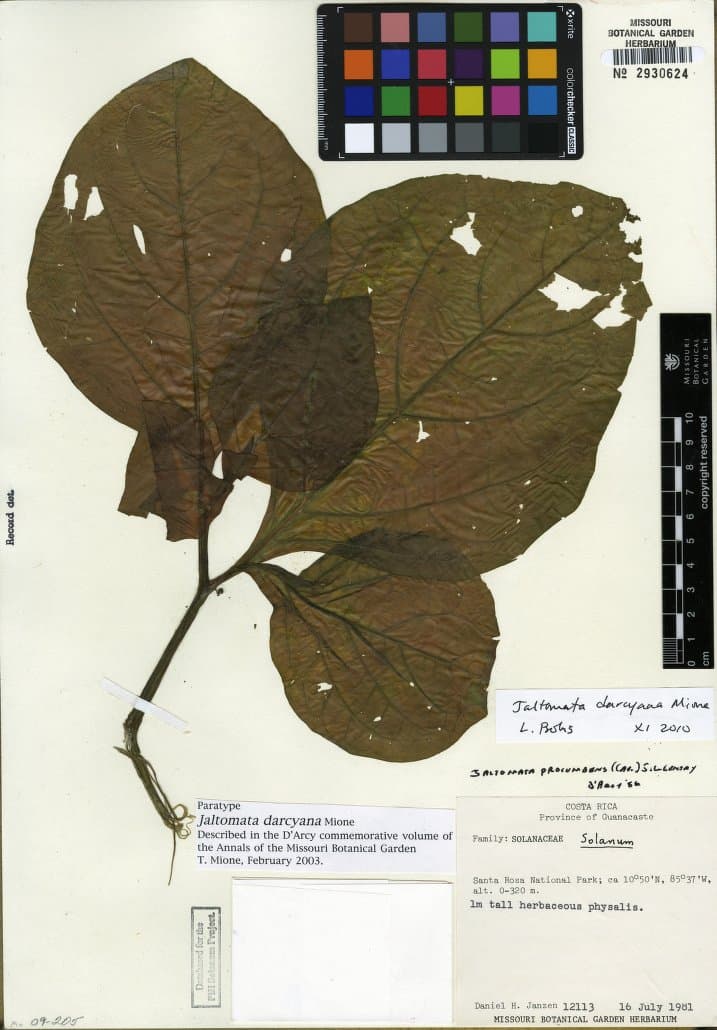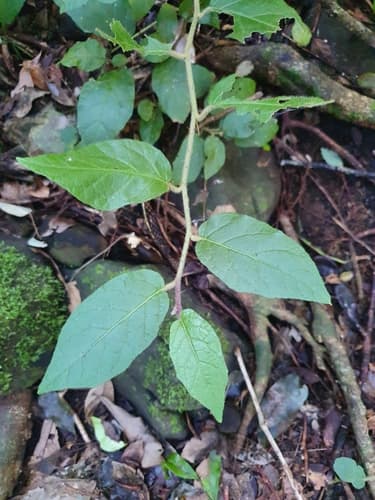
Hoop Pine Solanum
NameHoop Pine Solanum
Scientific NameSolanum stelligerum
Common NamesHoop Pine Solanum, Forest Nightshade, Devil's Needles
Plant FamilySolanaceae
Natural HabitatThis species is typically found in rainforests, wet sclerophyll forests, and along forest margins, often in disturbed areas. It is native to eastern Australia, frequently growing in regions where Hoop Pines (Araucaria cunninghamii) are present.
Parts Usedleaf,fruit
Medicinal Actionsanalgesic, anti-inflammatory, antimicrobial
Traditional UsesWhile specific traditional medicinal uses for Solanum stelligerum are not extensively documented, other Solanum species in Australia were traditionally used by Indigenous Australians. These uses often involved external applications, such as poultices of crushed leaves for pain relief, inflammation, or skin irritations, due to the presence of steroidal alkaloids. The fruits, though potentially toxic when unripe, may have had very specific, limited traditional uses, but internal consumption is generally avoided due to toxicity.
Active ConstituentsSteroidal glycoalkaloids, solasodine, solamargine, solasonine
Preparation Methodspoultice
Contraindications & WarningsDue to the presence of steroidal glycoalkaloids, Solanum stelligerum, like many Solanum species, is considered toxic, especially the unripe fruits. Internal consumption can lead to gastrointestinal upset, neurological symptoms, and can be fatal in large doses. It should be avoided by pregnant or lactating individuals, and those with existing gastrointestinal conditions. Use only externally with extreme caution.
Cultivation NotesSolanum stelligerum is a hardy plant that thrives in well-drained soil and prefers partial shade to full sun. It is often found in disturbed areas and can be propagated from seed. It is relatively easy to grow in suitable climates.
Raritycommon
Description
Solanum stelligerum, commonly known as Forest Nightshade, is an erect or scrambling shrub, typically growing up to 2 meters tall. Its stems are often armed with prickles, and its simple, alternate leaves are ovate to lanceolate with entire or slightly wavy margins, often covered in stellate hairs.