Harbin Elm
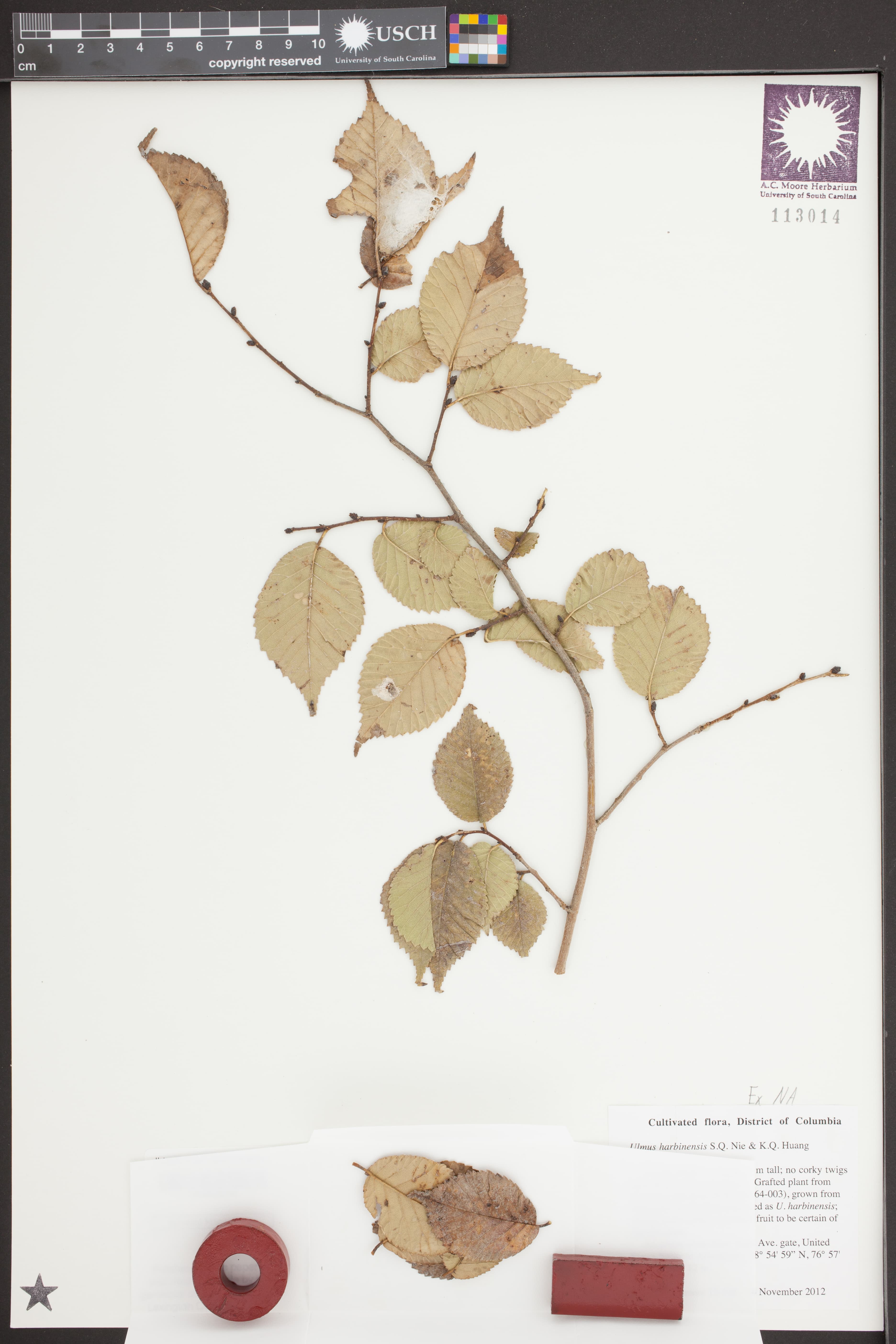
Image: Whittemore, A.T. (cc0)
NameHarbin Elm
Scientific NameUlmus harbinensis S.Q.Nie & G.Q.Huang
Common NamesHarbin Elm
Plant FamilyUlmaceae
Natural HabitatNative to northeastern China, particularly the Heilongjiang province, where it typically grows in forests and along riverbanks. It is also cultivated in other regions, including as a grafted plant.
Parts Usedbark,leaf
Medicinal Actionsdemulcent, anti-inflammatory, astringent
Traditional UsesWhile specific traditional medicinal uses for Ulmus harbinensis are not widely documented, other Ulmus species, particularly Ulmus rubra (Slippery Elm), are traditionally used for their demulcent properties. The inner bark is often employed to soothe inflamed mucous membranes, treat coughs, sore throats, and digestive issues like ulcers, diarrhea, and irritable bowel syndrome. It can also be applied externally as a poultice for wounds and skin irritations.
Active Constituentsmucilage, tannins, phytosterols, flavonoids
Preparation Methodsinfusion, decoction, powder, poultice
Contraindications & WarningsGenerally considered safe, but the high mucilage content may interfere with the absorption of other medications if taken concurrently. Allergic reactions are possible in sensitive individuals.
Cultivation NotesUlmus harbinensis prefers well-drained soil and can thrive in full sun to partial shade. It is known for its resistance to Dutch Elm Disease, making it a valuable species for cultivation and breeding programs. Propagation can be achieved through grafting, as indicated by the specimen's metadata.
Rarityuncommon
Description
Ulmus harbinensis is a deciduous tree species characterized by its alternate, simple, ovate to elliptic leaves with serrated margins and prominent venation. The twigs are slender, and the tree can grow to a considerable height. This specimen shows dried leaves on a branch.