Garden Huckleberry
NameGarden Huckleberry
Scientific NameSolanum scabrum
Common NamesGarden Huckleberry, Black Nightshade (cultivated), Guinea Huckleberry
Plant FamilySolanaceae
Natural HabitatCommonly found in cultivated gardens, disturbed areas, and waste places, often grown as a food crop in temperate and tropical regions.
Parts Usedfruit
Medicinal Actionsantioxidant, anti-inflammatory
Traditional UsesRipe berries are primarily consumed as food, often cooked into pies, jams, or sauces due to their rich flavor and nutritional content. Traditionally, the ripe fruit has been valued for its high antioxidant levels and as a general tonic, sometimes used for mild digestive support.
Active ConstituentsAnthocyanins, Solanine (in unripe parts)
Preparation Methodsinfusion, powder
Contraindications & WarningsUnripe berries and raw leaves are toxic due to solanine content and should not be consumed. Exercise caution during pregnancy and breastfeeding, and consult a healthcare professional before medicinal use.
Cultivation NotesEasily grown from seed, Garden Huckleberry prefers full sun and well-drained soil. It is frost-sensitive and thrives in warm conditions, tolerating a range of soil types.
Raritycommon
Description
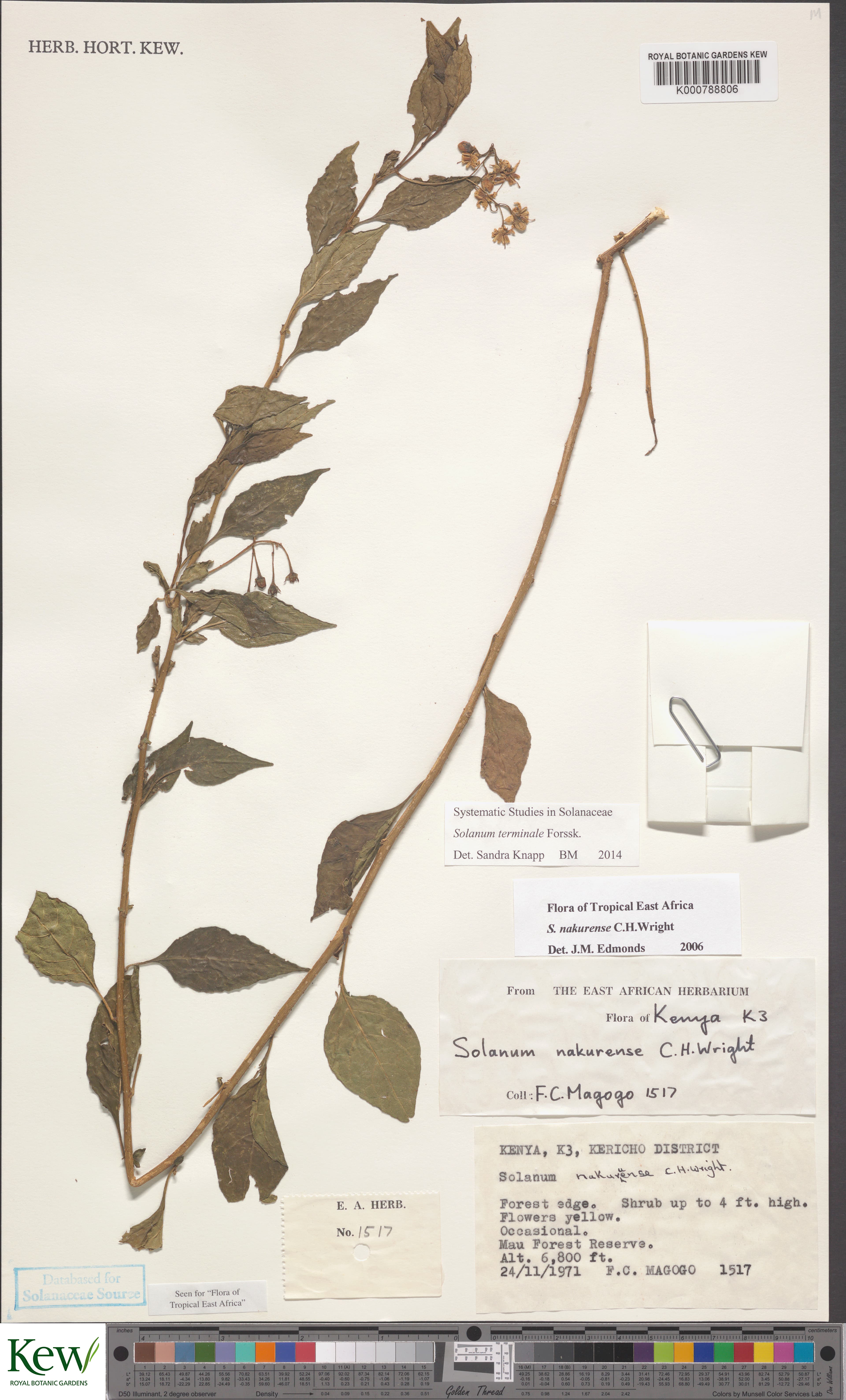
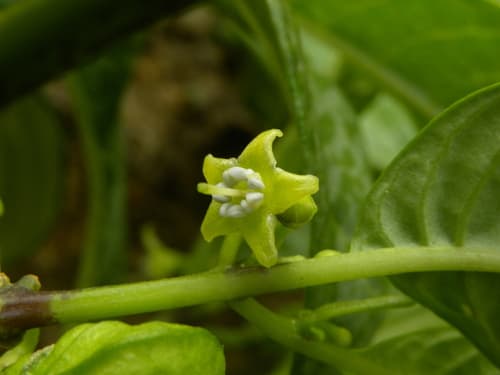
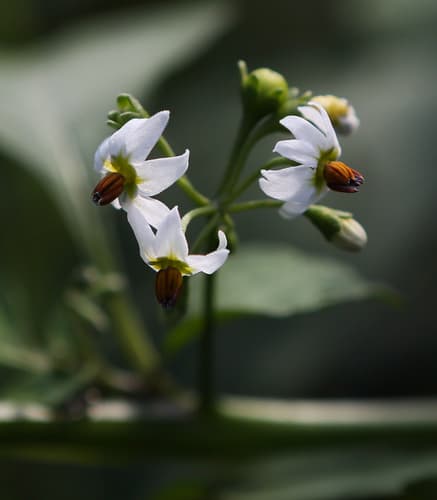
An annual or short-lived perennial herb, growing up to 1 meter tall, with ovate leaves and small white flowers borne in cymes. It produces clusters of dark purple to black berries when ripe.