Evening Primrose
NameEvening Primrose
Scientific NameOenothera biennis
Common NamesEvening Primrose, Common Evening Primrose, Sundrops, King's Cure-all
Plant FamilyOnagraceae
Natural HabitatNative to eastern and central North America, it thrives in disturbed soils, roadsides, fields, and open woodlands. It is now widely naturalized across temperate regions globally.
Parts Usedseed,leaf,root
Medicinal Actionsanti-inflammatory, adaptogen, analgesic
Traditional UsesTraditionally, Native Americans used the whole plant for various ailments, including skin conditions, wounds, digestive issues, and respiratory problems. The roots were also consumed as a vegetable. Today, the oil extracted from the seeds is widely used for its gamma-linolenic acid (GLA) content to address conditions like eczema, PMS, menopausal symptoms, and rheumatoid arthritis.
Active ConstituentsGamma-linolenic acid (GLA), Linoleic acid (LA), flavonoids, tannins, mucilage
Preparation Methodsessential oil, infusion, poultice, decoction
Contraindications & WarningsMay interact with blood-thinning medications (anticoagulants) and phenothiazines (antipsychotics), potentially increasing the risk of bleeding or seizures, respectively. Use with caution in individuals with seizure disorders.
Cultivation NotesGrows best in full sun to partial shade and well-drained soil. It is drought-tolerant once established and readily self-seeds, potentially becoming invasive in some areas.
Raritycommon
Description
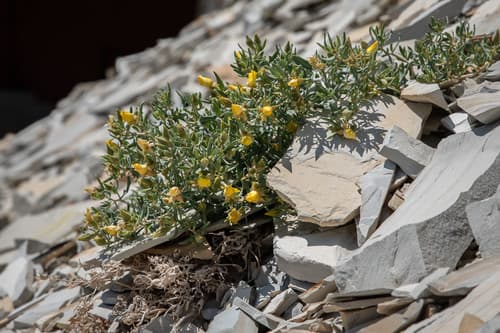
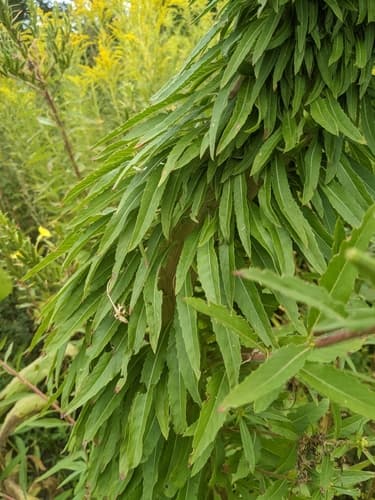
A biennial herbaceous plant, Evening Primrose typically forms a rosette of leaves in its first year, followed by a tall, erect flowering stem in its second. Its lance-shaped leaves are often toothed, and it produces fragrant yellow flowers that open in the evening.