Eastern Nightshade
NameEastern Nightshade
Scientific NameSolanum carolinense
Common NamesCarolina Horsenettle, Horsenettle, Ball-nettle, Radical Weed, Eastern Nightshade
Plant FamilySolanaceae
Natural HabitatNative to eastern and central North America, it thrives in disturbed areas, pastures, fields, roadsides, and open woodlands. It prefers full sun and well-drained soils.
Parts Usedroot,fruit
Medicinal Actionsanalgesic, sedative
Traditional UsesHistorically, some Native American tribes used the root for various ailments, including as a sedative, for pain relief, and externally for skin conditions like ringworm. Due to its high toxicity, internal use is extremely dangerous and not recommended.
Active ConstituentsSolanine, Solasonine, Solamargine
Preparation Methodsdecoction, poultice, salve
Contraindications & WarningsEXTREMELY TOXIC. All parts of the plant, especially the unripe berries, contain toxic glycoalkaloids (solanine). Ingestion can cause severe gastrointestinal upset, neurological symptoms (drowsiness, confusion, paralysis), and can be fatal. Not for internal use. Avoid contact with skin for sensitive individuals. Pregnant and breastfeeding women, children, and individuals with liver or kidney conditions should strictly avoid.
Cultivation NotesGenerally considered a noxious weed, it is rarely cultivated intentionally. It spreads aggressively by seeds and rhizomes, making it difficult to control in agricultural settings. Prefers full sun and disturbed soils.
Raritycommon
Description
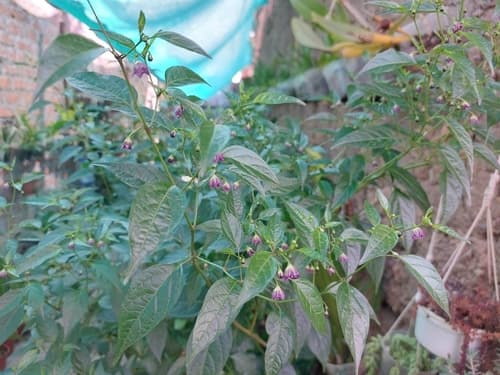
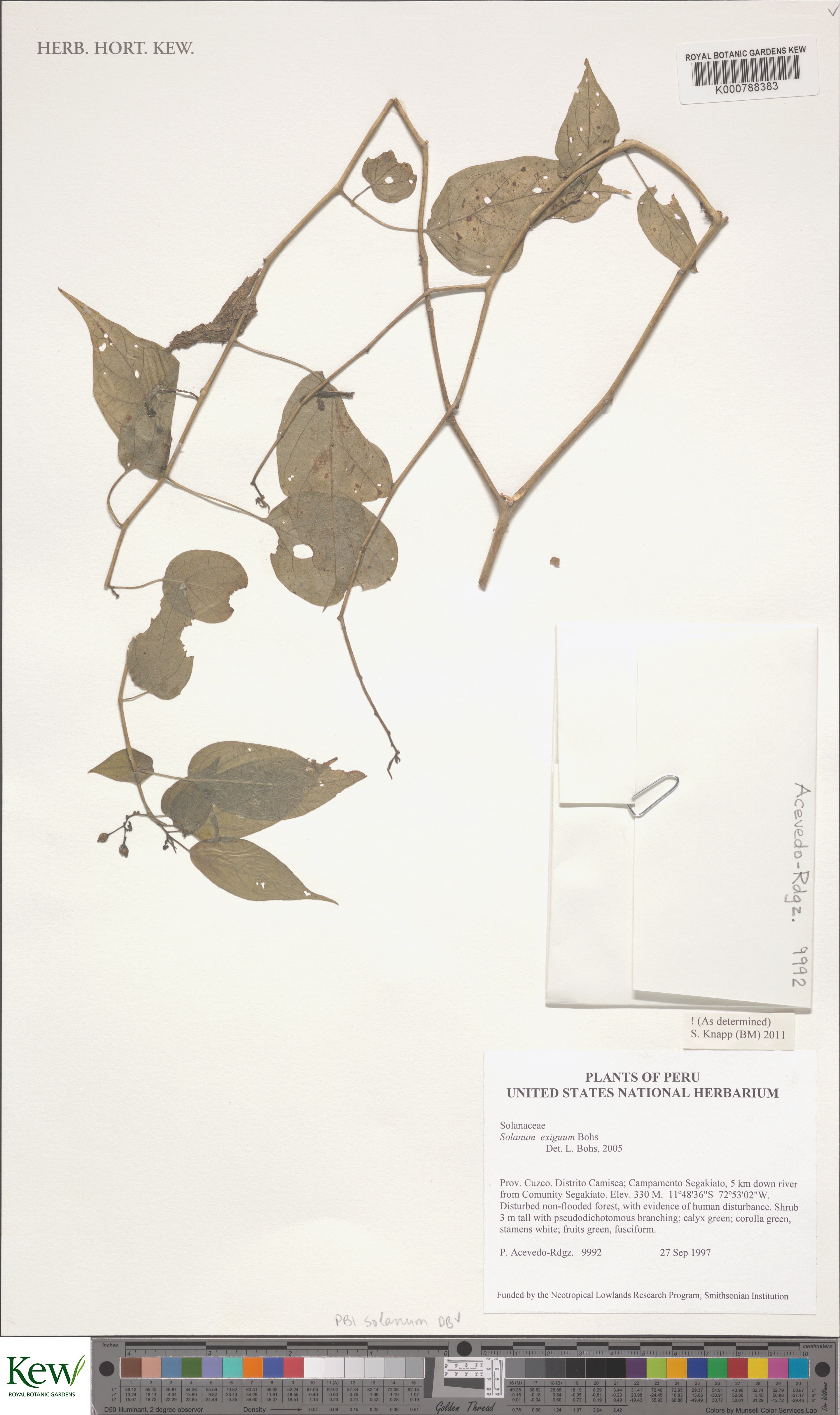
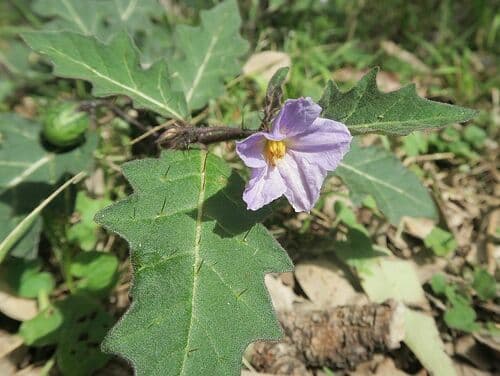
A perennial herbaceous plant characterized by its spiny stems and deeply lobed, hairy leaves. It produces star-shaped, pale purple to white flowers with prominent yellow anthers, followed by small, round, yellow-orange berries.