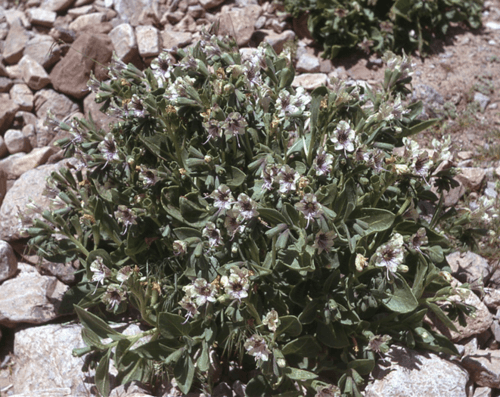
Dune Groundcherry
NameDune Groundcherry
Scientific NamePhysalis angustifolia
Common NamesDune Groundcherry, Narrowleaf Groundcherry
Plant FamilySolanaceae
Natural HabitatTypically found in sandy soils, coastal dunes, disturbed areas, and open woodlands, often thriving in well-drained, sunny locations.
Parts Usedfruit,leaf,whole_plant
Medicinal Actionsanti-inflammatory, antioxidant, diuretic, antimicrobial
Traditional UsesTraditionally, various groundcherry species have been used for their diuretic properties, to treat fevers, and for inflammatory conditions. The ripe fruits are often consumed for their nutritional value, while infusions of leaves or the whole plant have been used for urinary issues and skin ailments.
Active ConstituentsPhysalins, Flavonoids, Carotenoids, Vitamin C
Preparation Methodsinfusion, decoction, powder
Contraindications & WarningsUnripe fruits of some Physalis species can be toxic. Caution is advised for pregnant or nursing women, and individuals with known allergies to the Solanaceae family.
Cultivation NotesPrefers full sun to partial shade and well-drained, sandy soils. It is generally drought-tolerant once established and can readily self-seed, potentially becoming weedy in favorable conditions.
Raritycommon
Description
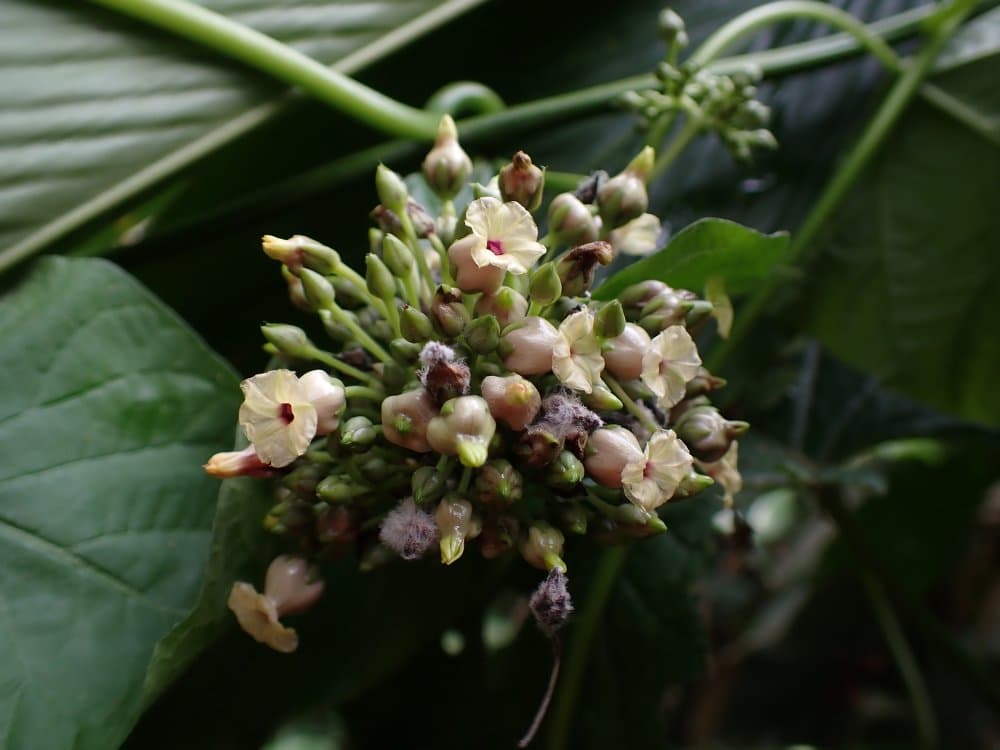
A low-growing herbaceous perennial, characterized by its pale yellow, bell-shaped flowers featuring a distinctive dark purple-brown eye. It produces small, edible berries encased within an inflated, papery calyx, and has ovate to lanceolate leaves.