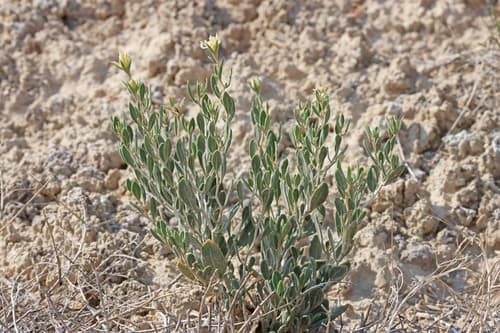
desert rock nettle
Namedesert rock nettle
Scientific NameSphaeralcea incana
Common NamesDesert Rock Nettle, Gray Globemallow, Pale Globemallow
Plant FamilyMalvaceae
Natural HabitatNative to arid and semi-arid regions of the southwestern United States and northern Mexico, often found on rocky slopes, mesas, and desert flats. It thrives in well-drained, sandy or gravelly soils.
Parts Usedleaf,flower,whole_plant
Medicinal Actionsdemulcent, anti-inflammatory, astringent
Traditional UsesTraditionally, various *Sphaeralcea* species, including this one, have been used by indigenous peoples for their demulcent properties. Infusions of leaves and flowers were used to soothe irritated mucous membranes, treat coughs, sore throats, and gastrointestinal discomfort. Poultices were applied externally for skin irritations and wounds.
Active ConstituentsMucilage, Flavonoids, Tannins
Preparation Methodsinfusion, decoction, poultice, powder
Contraindications & WarningsGenerally considered safe, but large doses may cause mild laxative effects due to mucilage content. No specific severe contraindications or drug interactions are widely reported for *Sphaeralcea incana*.
Cultivation NotesPrefers full sun and well-drained soil. Drought-tolerant once established, requiring minimal water. Propagated by seed or cuttings. Hardy in USDA zones 7-10.
Raritycommon
Description
A perennial subshrub characterized by densely stellate-pubescent, gray-green leaves and pale cream to white, five-petaled flowers. It typically grows in a bushy form, reaching moderate heights in arid environments.