Desert Nightshade
NameDesert Nightshade
Scientific NameSolanum elaeagnifolium
Common NamesDesert Nightshade, Silverleaf Nightshade, Silver-leaf Nightshade, White Horse Nettle, Trompillo
Plant FamilySolanaceae
Natural HabitatNative to the Americas, particularly the southwestern United States, Mexico, and South America. It thrives in disturbed soils, grasslands, deserts, roadsides, and agricultural fields, preferring dry, sandy, or gravelly soils.
Parts Usedfruit,whole_plant
Medicinal Actionsanalgesic, anti-inflammatory, antimicrobial
Traditional UsesTraditionally, various Native American tribes used the fruits externally for skin ailments, sores, and as a poultice for snakebites. Some groups also used processed fruits internally for toothaches, sore throats, and as a coagulant in cheese making, though internal use is highly risky due to toxicity.
Active ConstituentsSolanine, Solasodine, Solamargine, Steroidal alkaloids
Preparation Methodspoultice, decoction, powder
Contraindications & WarningsALL PARTS OF THE PLANT ARE POISONOUS IF INGESTED RAW OR IMPROPERLY PREPARED. Symptoms of poisoning include nausea, vomiting, diarrhea, abdominal pain, headache, dizziness, and in severe cases, neurological symptoms and cardiac issues. Avoid internal use without expert guidance. Pregnant and breastfeeding women should avoid. Do not apply to broken skin.
Cultivation NotesConsidered a noxious weed in many areas due to its aggressive growth and deep root system. It is drought-tolerant and thrives in full sun and poor, well-drained soils. Propagates readily by seed and root fragments, making it difficult to eradicate once established.
Raritycommon
Description
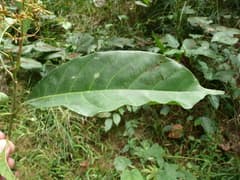
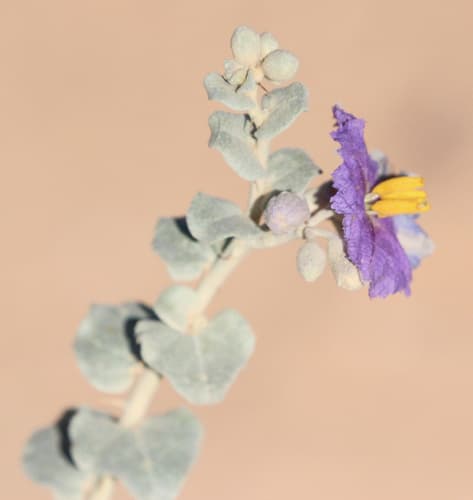
A perennial herbaceous plant characterized by its silvery, stellate-hairy stems and leaves, giving it a distinctive greyish appearance. It produces star-shaped purple flowers with five prominent yellow anthers, followed by small, globe-shaped berries that ripen from green to yellow or orange.