Deprea sachapapa
NameDeprea sachapapa
Scientific NameDeprea sachapapa
Common NamesSachapapa, Wild Potato, Forest Potato
Plant FamilySolanaceae
Natural HabitatNative to the humid, tropical to subtropical forests of the Andean regions and Amazonian lowlands of South America, particularly Peru, Ecuador, and Colombia. It thrives in the understory of forests or in forest clearings.
Parts Usedroot,leaf
Medicinal Actionsantioxidant, anti-inflammatory
Traditional UsesTraditionally, the tubers of Deprea sachapapa are a significant staple food, consumed boiled, roasted, or fried, similar to potatoes. While primarily a food source, it is also valued in some indigenous communities for its general nutritive properties and potential to support overall well-being, though specific medicinal applications are not widely documented.
Active ConstituentsSteroidal glycoalkaloids, Saponins
Preparation Methodsdecoction, powder, infusion
Contraindications & WarningsAs with many plants in the Solanaceae family, raw consumption of tubers in large quantities might be discouraged due to the presence of glycoalkaloids, which are typically reduced by cooking. Specific contraindications for medicinal use are not well-documented.
Cultivation NotesDeprea sachapapa prefers humid, tropical to subtropical climates with partial shade and rich, well-drained soil. It can be propagated from its tubers or seeds. It is often cultivated in home gardens or gathered from the wild in its native range.
Rarityuncommon
Description
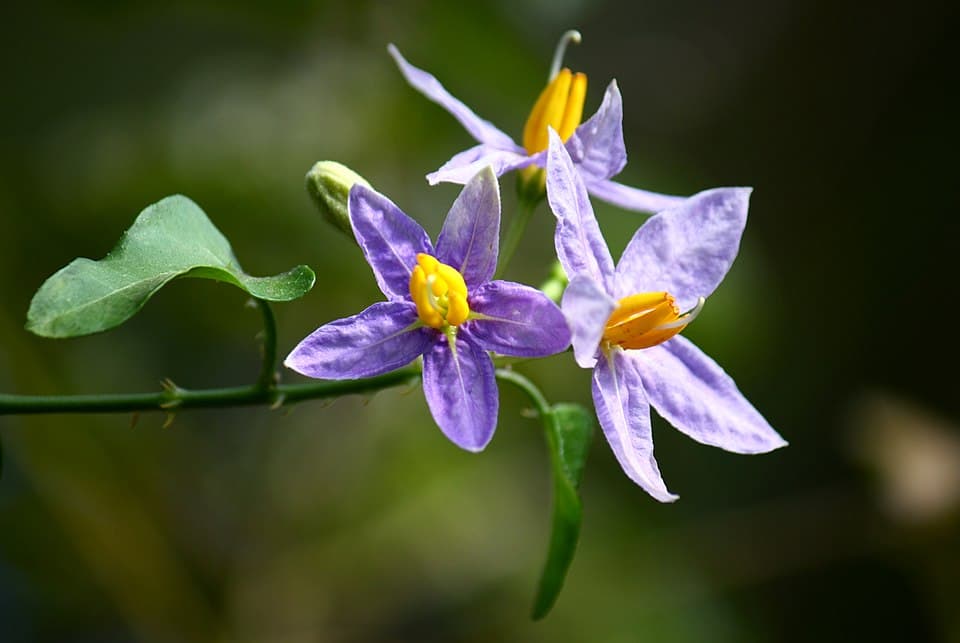
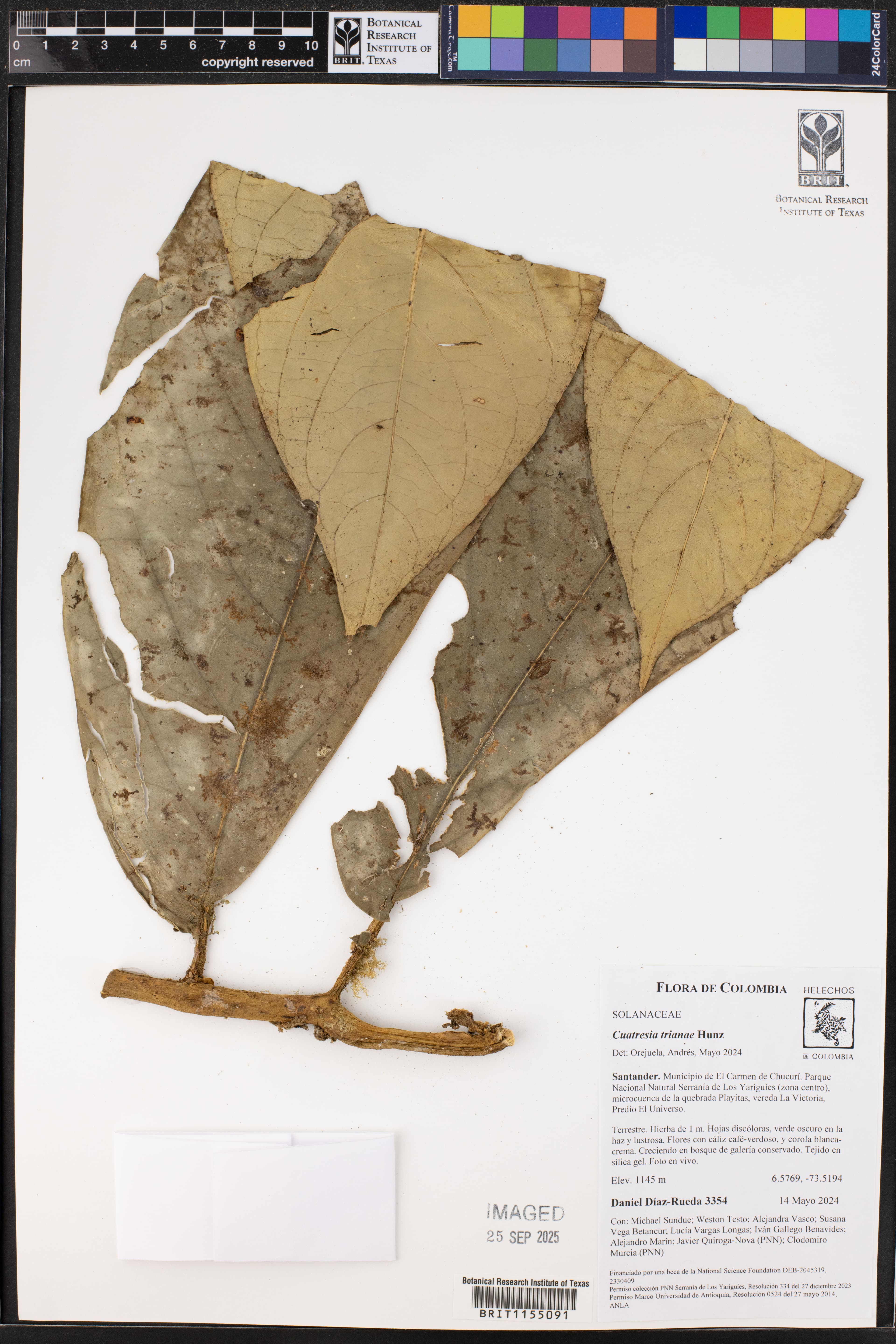
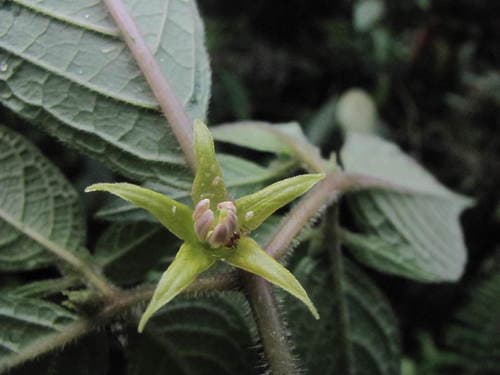
Deprea sachapapa is a herbaceous plant characterized by large, textured, often hairy leaves and small, greenish-purple, star-shaped flowers typically found in the leaf axils. It is known for producing edible tubers underground. The plant's stem is often hairy, as seen in the image.