Decalobanthus clemensianus
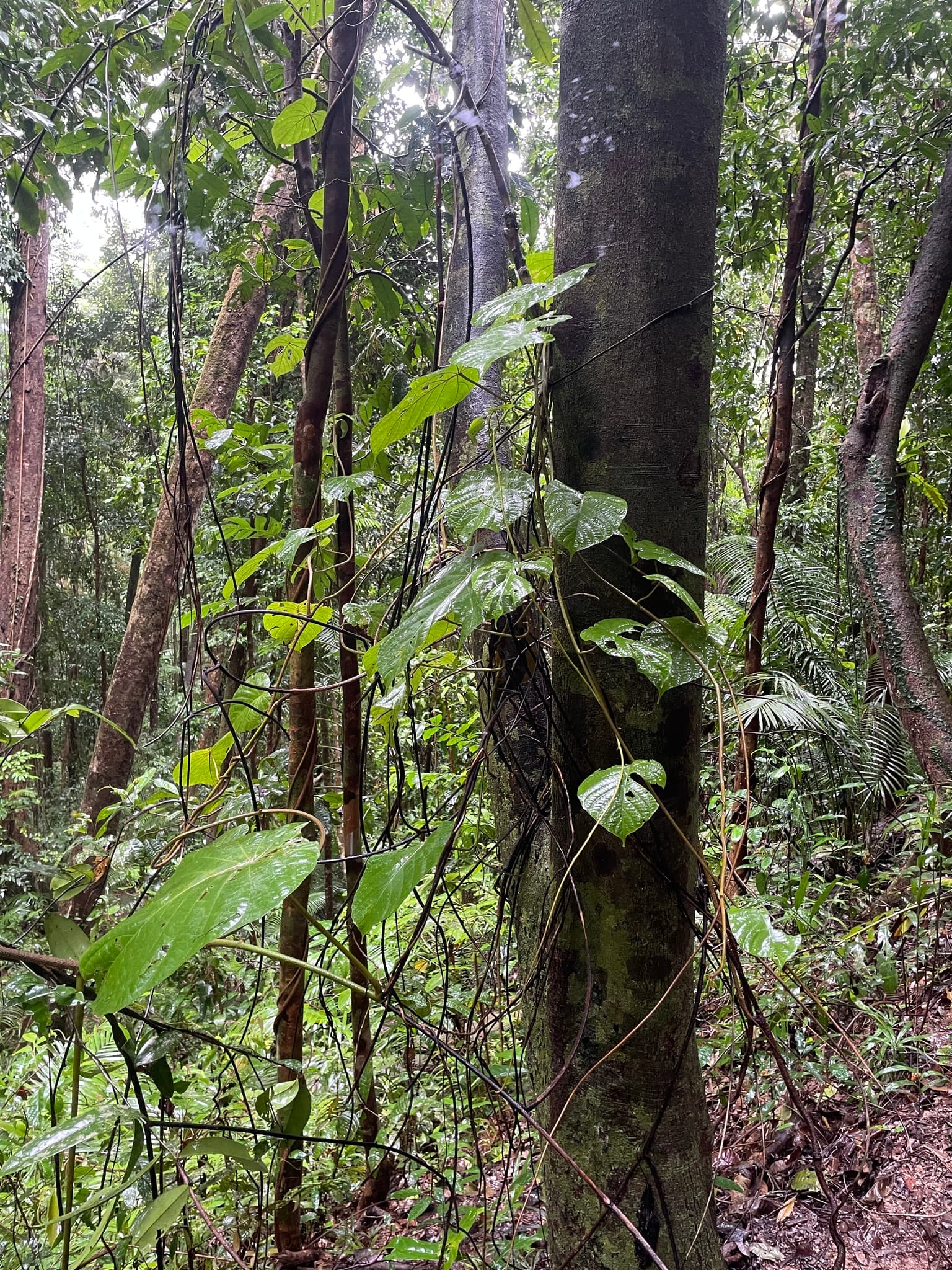
Image: Rene (cc-by-nc)
NameDecalobanthus clemensianus
Scientific NameDecalobanthus clemensianus (Ooststr.) A.R.Simões & Staples
Plant FamilyConvolvulaceae
Natural HabitatTropical lowland rainforests, often found in primary and secondary forests, climbing on large trees in regions of Southeast Asia, particularly Borneo and the Philippines.
Parts Usedleaf
Medicinal Actionsanti-inflammatory, antimicrobial
Traditional UsesWhile specific traditional medicinal uses for Decalobanthus clemensianus are not extensively documented, closely related species like Decalobanthus peltatus have been traditionally used in Southeast Asia. The leaves are often prepared as a poultice for treating wounds, boils, swellings, and various skin ailments. Some traditional practices also suggest purgative properties, though this is not a listed action.
Active Constituentsresin glycosides, flavonoids, phenolics
Preparation Methodspoultice
Contraindications & WarningsSpecific contraindications for Decalobanthus clemensianus are not known due to limited research. However, caution is advised with internal use of plants from the Convolvulaceae family, as many species contain potent purgative compounds that can cause gastrointestinal distress.
Cultivation NotesRequires a tropical climate with high humidity and consistent warmth. It needs strong support for its vigorous climbing growth and prefers well-drained, fertile soil. Propagation is typically by seed or stem cuttings.
Rarityuncommon
Description
A robust, woody liana native to tropical rainforests, characterized by its large, often cordate to peltate leaves and vigorous climbing habit, forming dense canopies. Its stems can grow thick and rope-like, twining extensively around host trees.