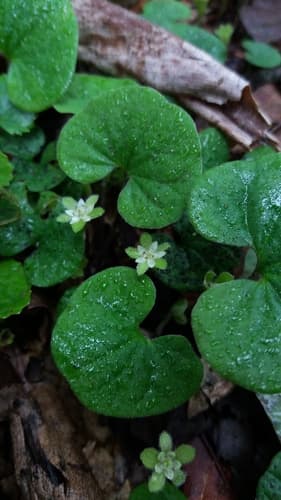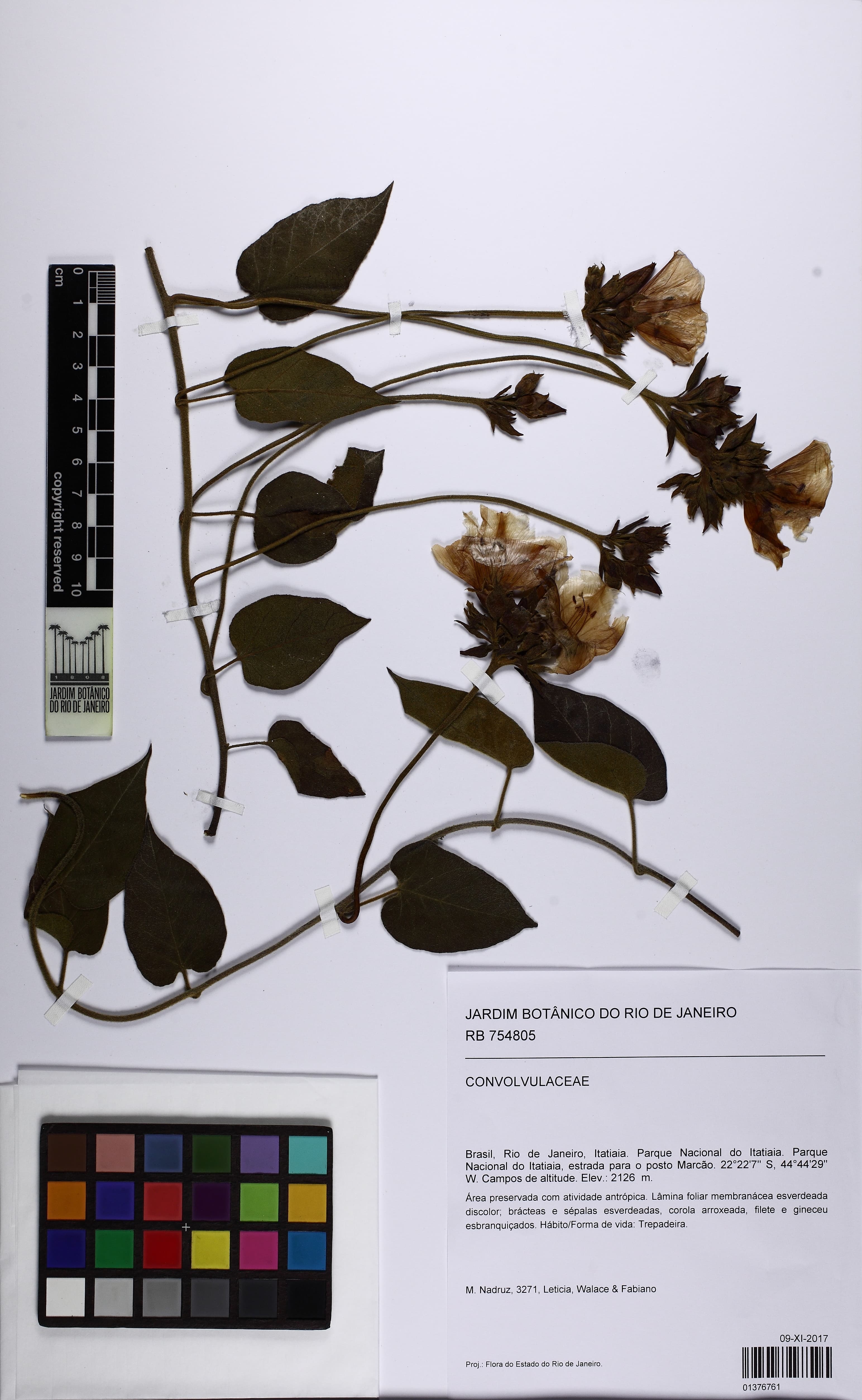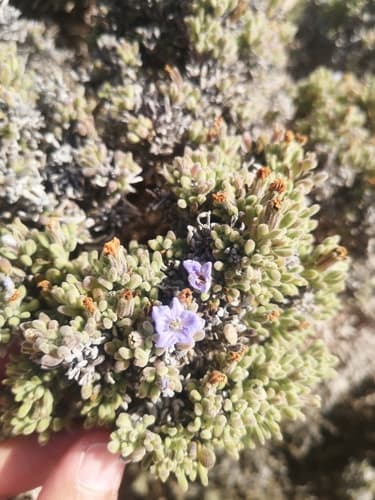
Cuscuta yucatana
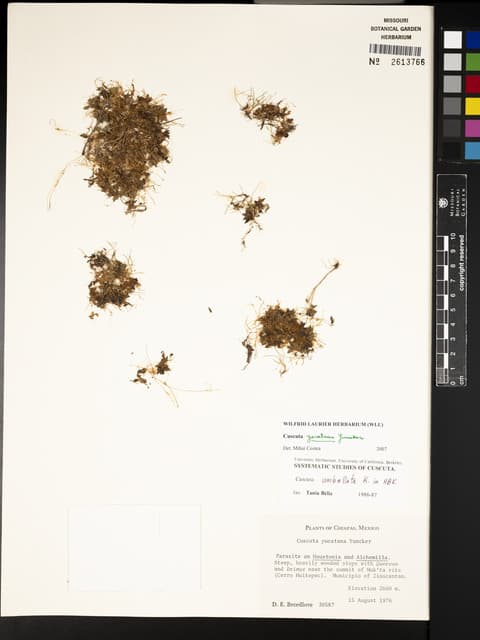
Image: MBG (cc-by-nc)
NameCuscuta yucatana
Scientific NameCuscuta yucatana Yunck.
Common NamesDodder
Plant FamilyConvolvulaceae
Natural HabitatThis species is parasitic on other plants, as noted on the specimen, specifically on Houstonia and Alchemilla. It was collected from a steep, heavily wooded slope with Quercus and Drimys near the summit of Na'a vita (Cerro Huitepec), Municipio of Zinacantan, Chiapas, Mexico, at an elevation of 2600 m.
Parts Usedwhole_plant
Medicinal Actionsantioxidant, anti-inflammatory, diuretic, adaptogen, antimicrobial
Traditional UsesWhile specific traditional uses for Cuscuta yucatana are not widely documented, other Cuscuta species are traditionally used as a tonic for the liver and kidneys, to support reproductive health, and to address issues like blurred vision, frequent urination, and general debility. They are often employed in traditional medicine systems for their purported restorative and strengthening properties.
Active ConstituentsFlavonoids, Lignans, Polysaccharides, Alkaloids
Preparation Methodsinfusion, decoction, powder, tincture
Contraindications & WarningsDue to its parasitic nature and the lack of extensive specific research on Cuscuta yucatana, general contraindications for the genus include avoiding use during pregnancy and lactation. Individuals with specific medical conditions or those taking other medications should consult a healthcare professional before use.
Cultivation NotesAs an obligate parasitic plant, Cuscuta yucatana cannot be cultivated independently. It requires a suitable host plant to germinate, attach, and absorb nutrients for survival and growth. Propagation is typically by seeds, which must find a host shortly after germination.
Rarityuncommon
Description
Cuscuta yucatana is a parasitic, annual herbaceous vine characterized by its leafless, thread-like stems that twine around host plants. Lacking chlorophyll, it appears yellowish to brownish, absorbing nutrients via specialized haustoria.