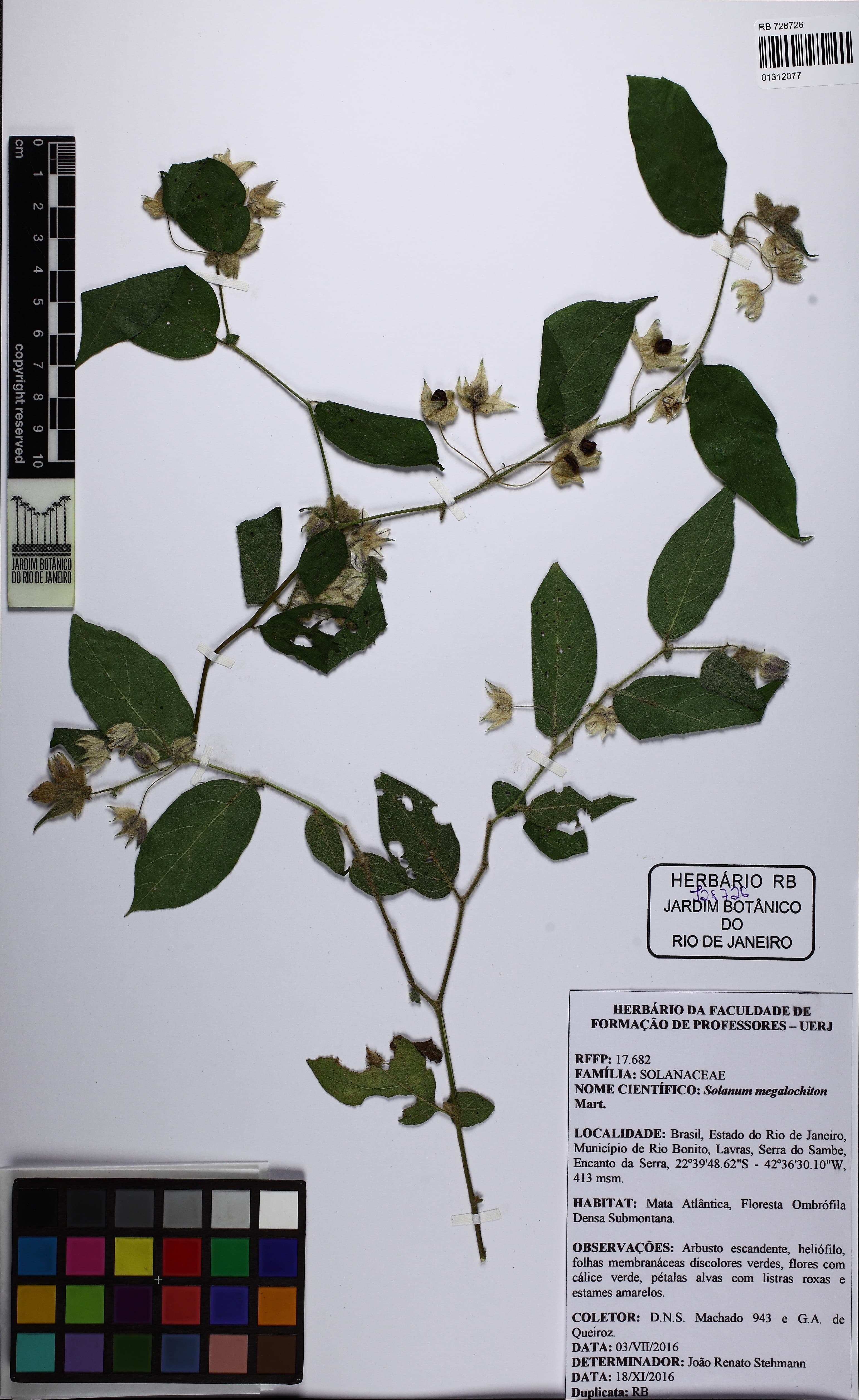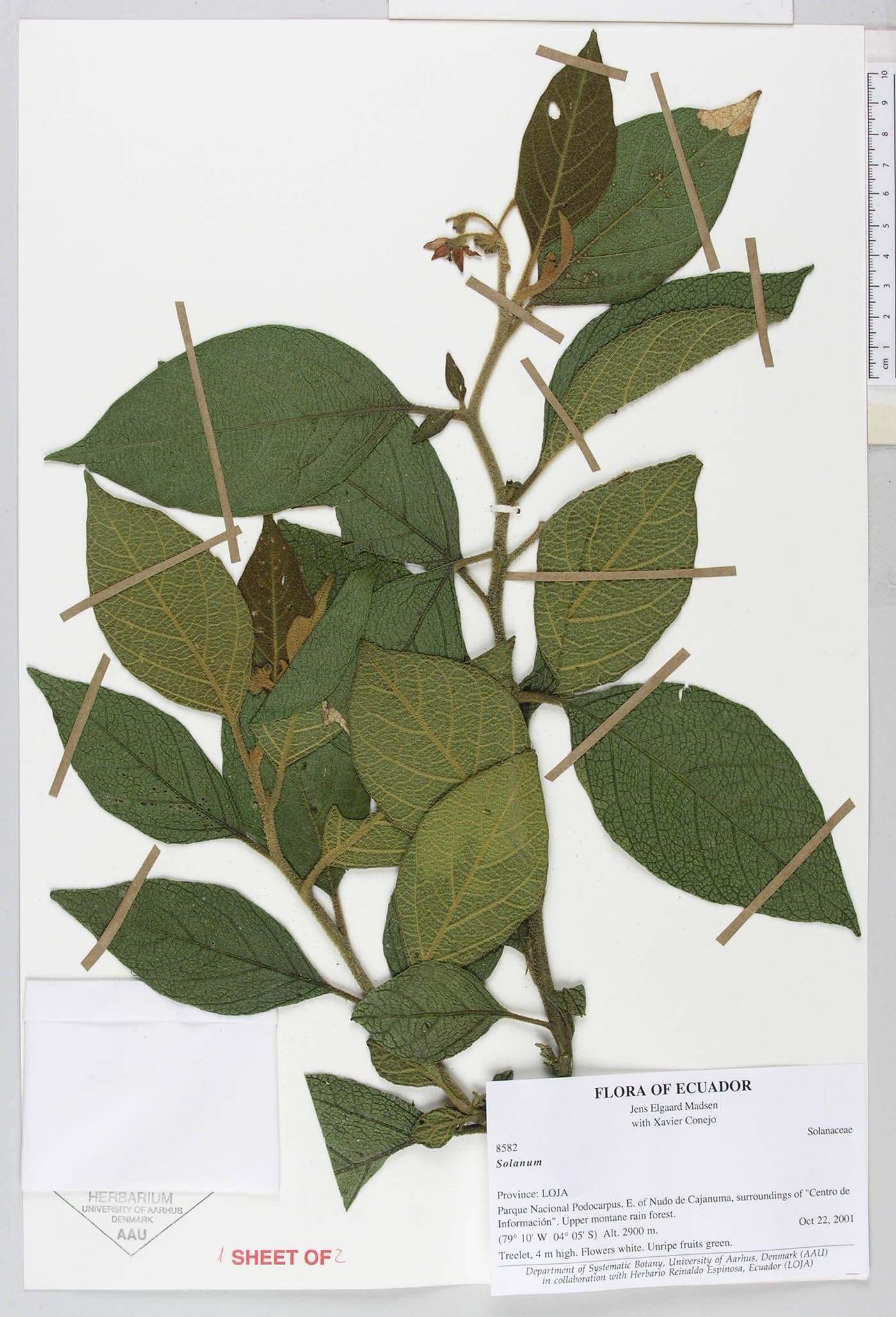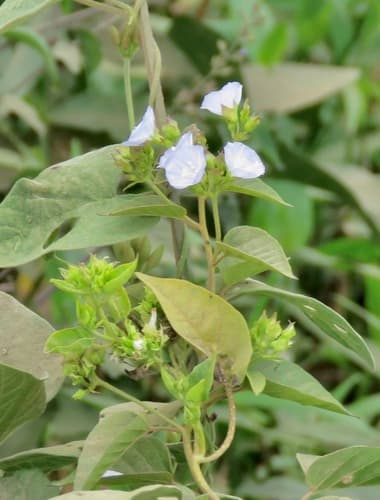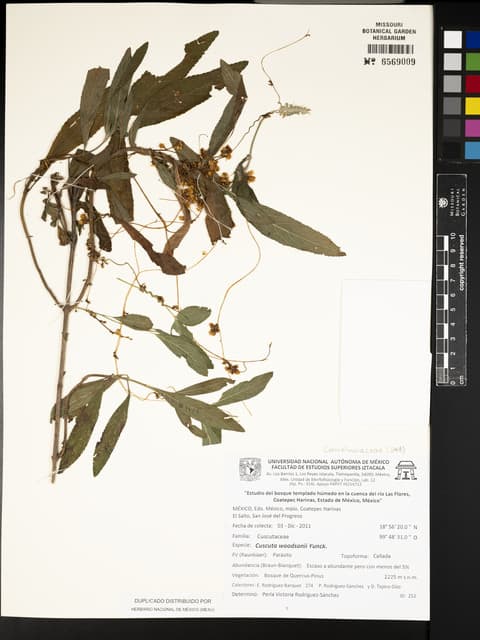
Cuscuta woodsonii
Image: MBG (cc-by-nc)
NameCuscuta woodsonii
Scientific NameCuscuta woodsonii Yunck.
Common NamesDodder
Plant FamilyCuscutaceae
Natural HabitatThis parasitic plant thrives in temperate humid forests, specifically noted in oak-pine forests at elevations around 2225 meters above sea level. It attaches to various host plants to extract nutrients.
Parts Usedwhole_plant,seed
Medicinal Actionsadaptogen, antioxidant, astringent, diuretic
Traditional UsesTraditionally, Cuscuta species are used to support kidney and liver function, address issues like impotence, premature ejaculation, frequent urination, and blurred vision. It is also employed for its tonic and strengthening properties.
Active ConstituentsFlavonoids, Lignans, Polysaccharides, Saponins
Preparation Methodsinfusion, decoction, tincture, powder
Contraindications & WarningsAvoid during pregnancy. Use with caution in cases of spleen deficiency with loose stools. May interact with blood-thinning medications or hormone therapies.
Cultivation NotesAs an obligate parasite, Cuscuta woodsonii cannot be cultivated independently. It requires a suitable host plant to germinate and grow, attaching its haustoria to the host's vascular system for nutrients.
Rarityuncommon
Description
Cuscuta woodsonii is a parasitic vine characterized by its thread-like, leafless stems that twine around host plants. It produces small, clustered flowers, typically yellowish or whitish, and lacks chlorophyll, relying entirely on its host for nutrients.