Cuscuta peruviana
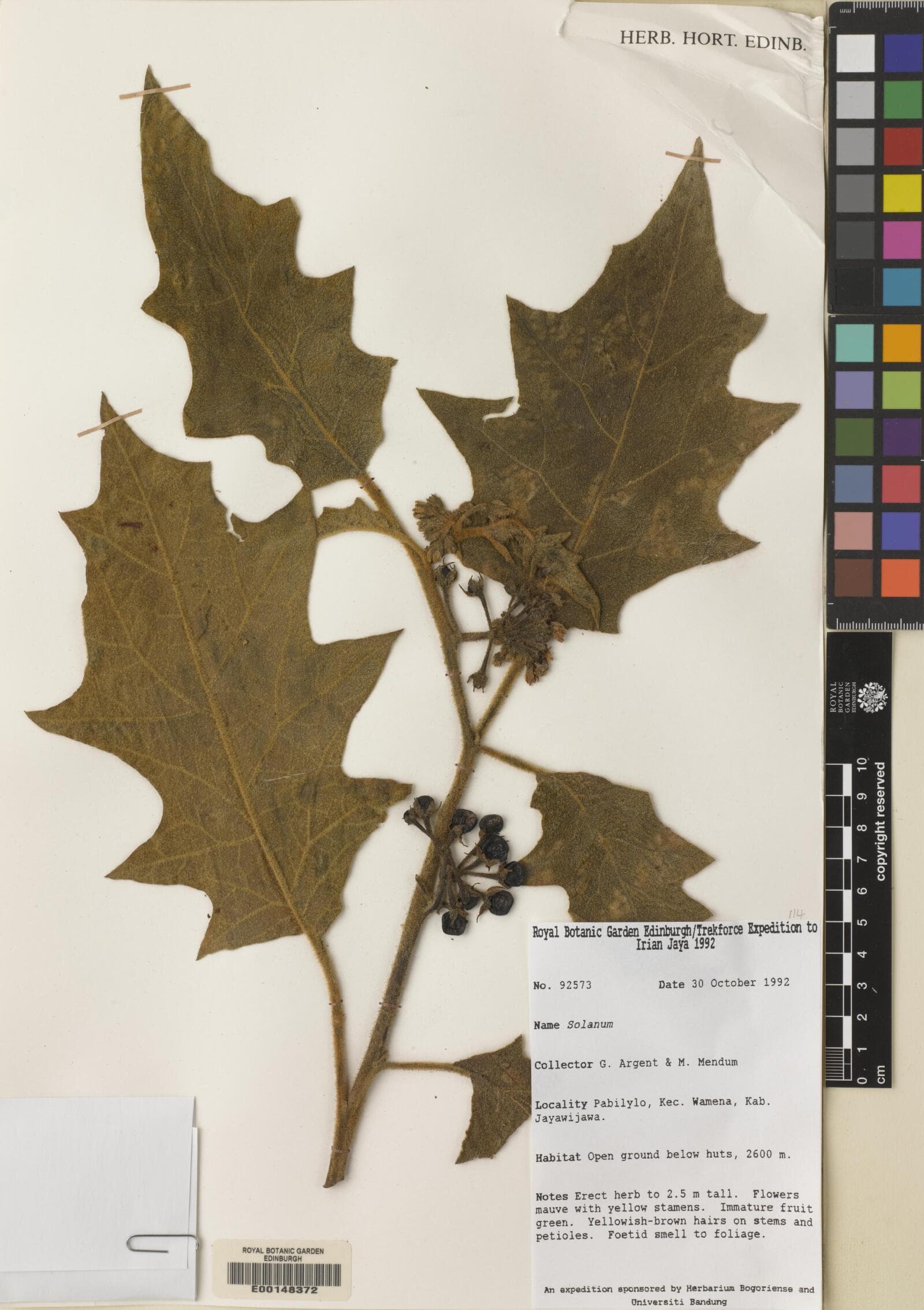
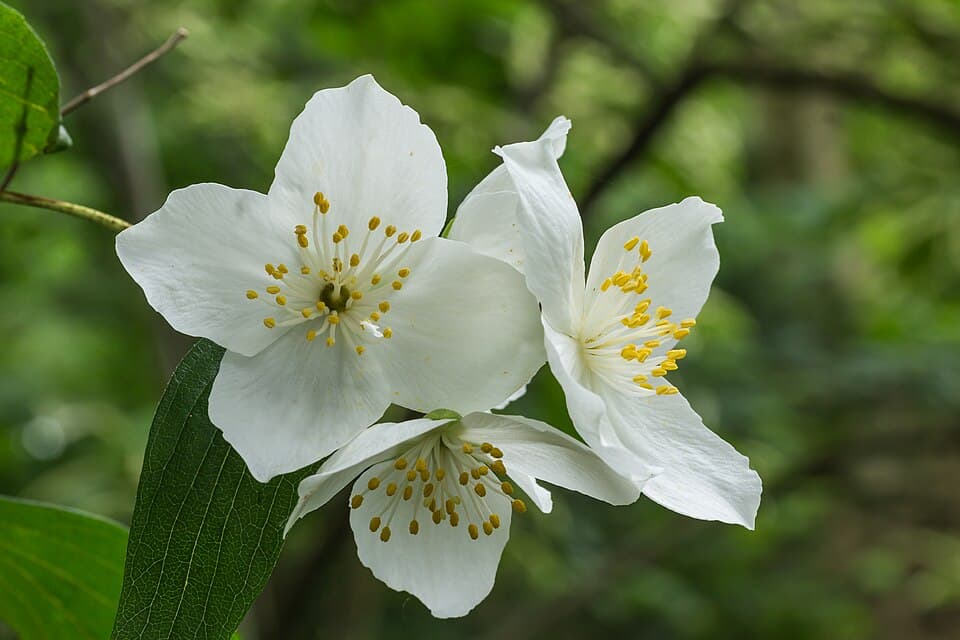
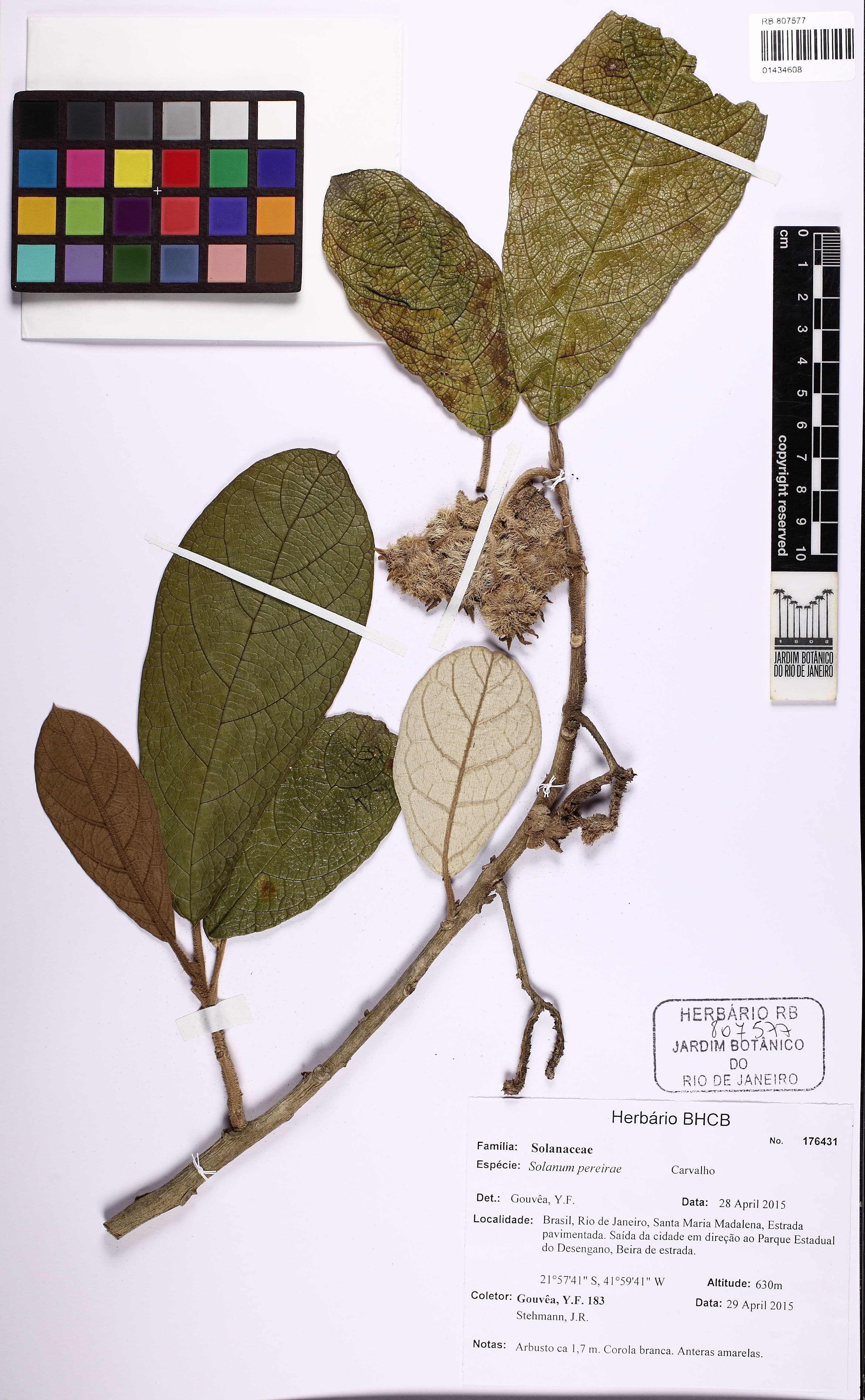
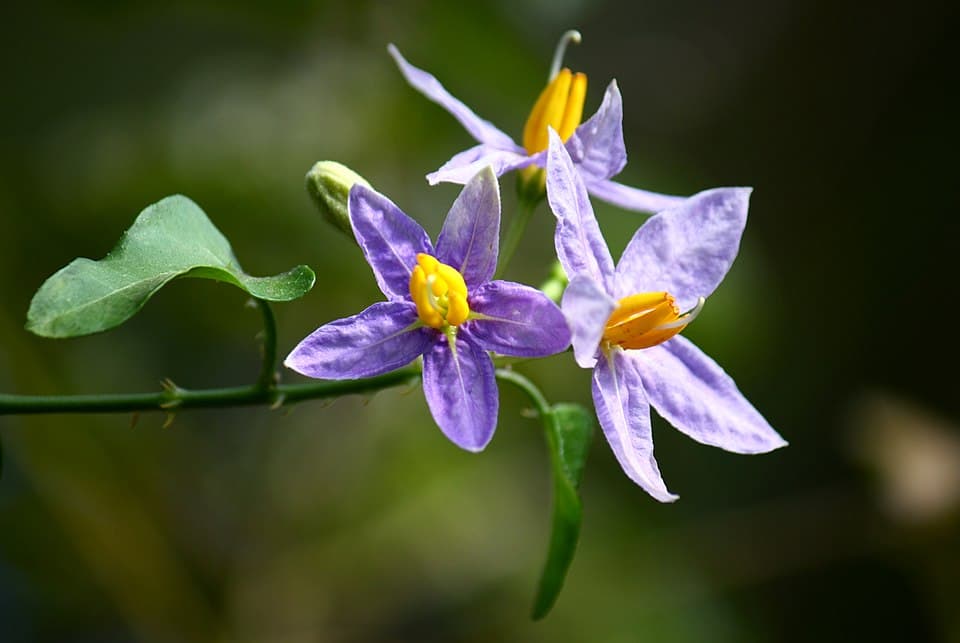
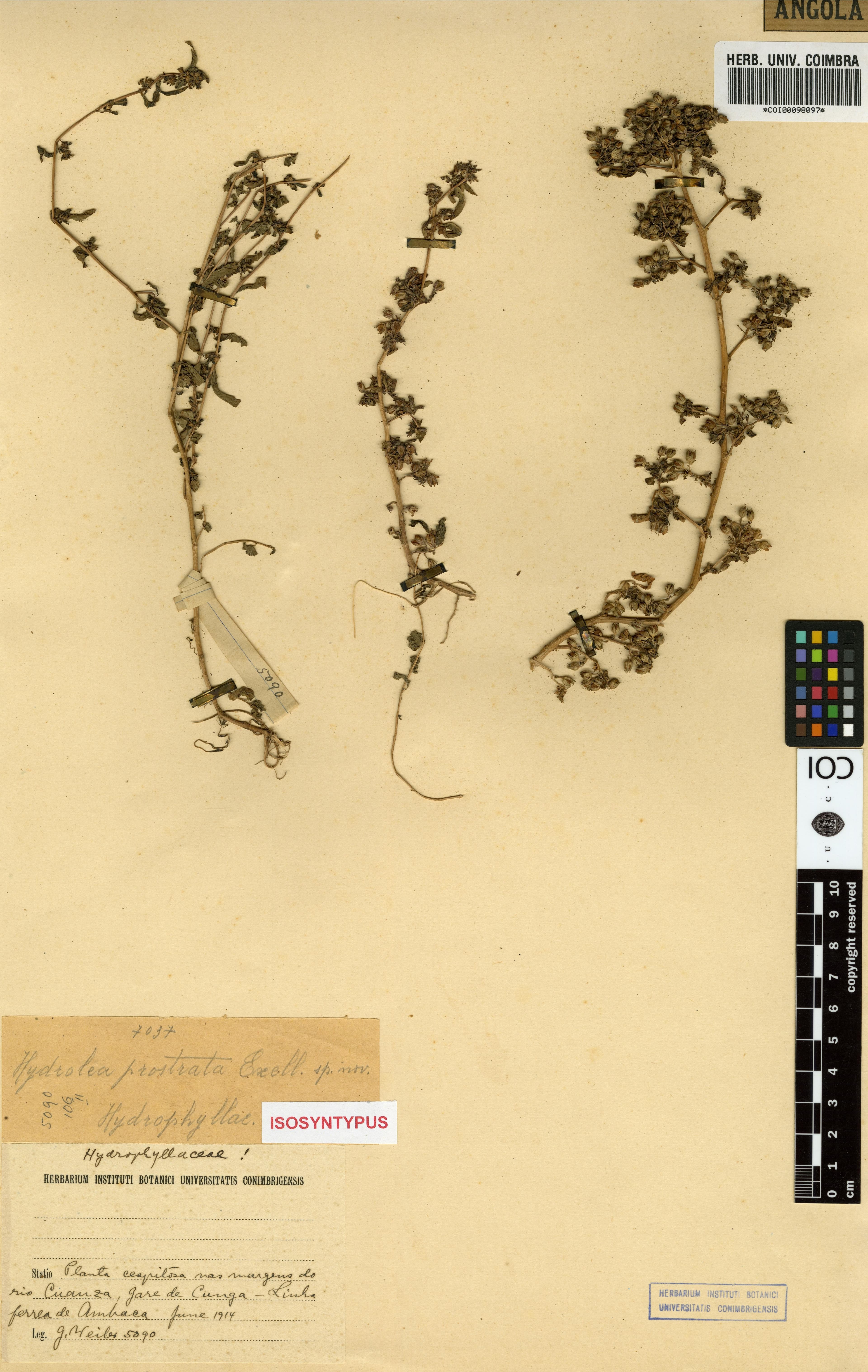
Image: Weberbauer (cc-by-sa)
NameCuscuta peruviana
Scientific NameCuscuta peruviana Yunck.
Common NamesDodder, Love Vine, Strangleweed
Plant FamilyConvolvulaceae
Natural HabitatAs a parasitic plant, it inhabits areas where suitable host plants are present, often found in disturbed fields, gardens, and natural areas. This specific specimen was collected in Peru.
Parts Usedwhole_plant,seed
Medicinal Actionsantioxidant, anti-inflammatory, adaptogen
Traditional UsesTraditionally, species within the Cuscuta genus, particularly Cuscuta chinensis (Tu Si Zi), have been used in traditional medicine to tonify the kidney and liver, improve vision, and address conditions such as impotence, premature ejaculation, frequent urination, and chronic diarrhea. It is also valued for its potential anti-aging and immune-modulating properties.
Active ConstituentsFlavonoids, Lignans, Polysaccharides, Saponins
Preparation Methodsinfusion, decoction, powder, tincture
Contraindications & WarningsNot recommended for use during pregnancy or lactation. Caution is advised for individuals with yin deficiency with heat signs. Always consult a healthcare professional before use, especially if on medication.
Cultivation NotesCuscuta peruviana is an obligate parasitic plant that cannot be cultivated independently. It requires a host plant to grow and thrive, making traditional cultivation methods impractical and generally undesirable due to its status as an agricultural weed.
Raritycommon
Description
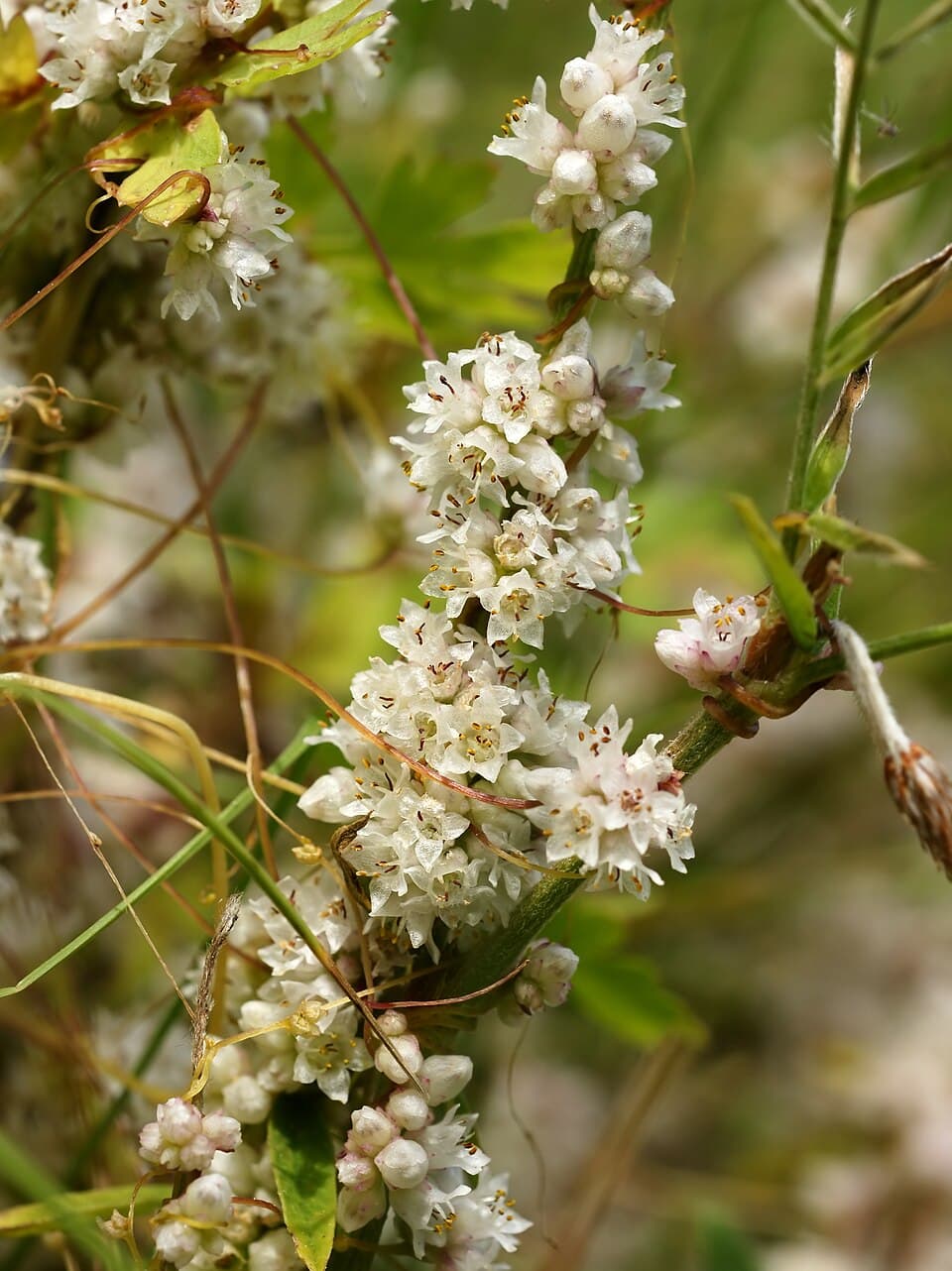
Cuscuta peruviana is an obligate parasitic plant characterized by its slender, leafless, yellowish to reddish-orange stems that twine around host plants. It lacks roots after germination and obtains all nutrients via haustoria that penetrate the host's vascular system.