Cuscuta Dodder
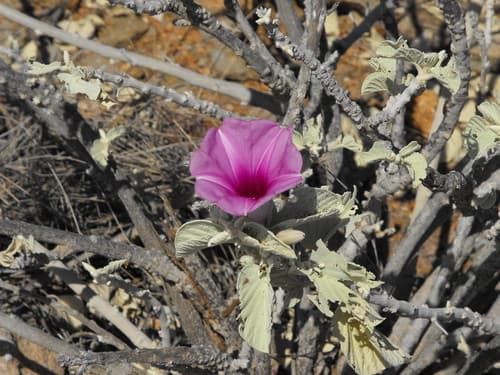
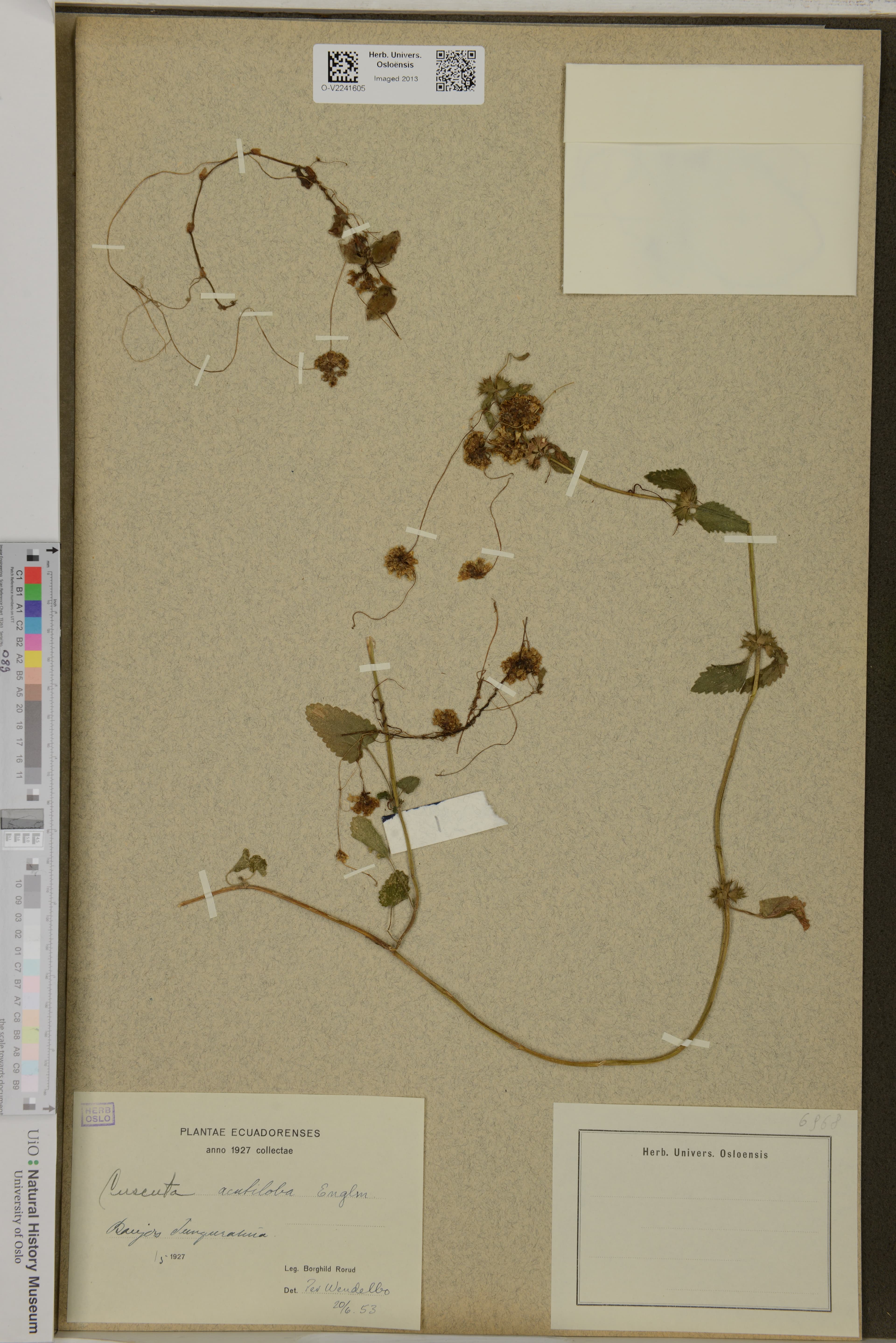
Image: Borghild Rorud (cc-by-sa)
NameCuscuta Dodder
Scientific NameCuscuta acutiloba
Common NamesDodder, Love Vine, Strangleweed
Plant FamilyConvolvulaceae
Natural HabitatAs an obligate parasitic plant, it grows in various habitats including fields, disturbed areas, and natural ecosystems, attaching to a wide range of herbaceous and woody host plants for nutrients.
Parts Usedwhole_plant,seed
Medicinal Actionsantioxidant, anti-inflammatory, adaptogen, diuretic
Traditional UsesTraditionally, species of Cuscuta, particularly their seeds (known as Tu Si Zi in Traditional Chinese Medicine), are used to tonify the kidney and liver, improve vision, and treat conditions such as impotence, premature ejaculation, frequent urination, and lower back pain. The whole plant may also be used for similar tonic effects or for external applications.
Active ConstituentsFlavonoids, Lignans, Polysaccharides, Saponins
Preparation Methodsinfusion, decoction, powder, tincture
Contraindications & WarningsContraindicated during pregnancy and in individuals with yin deficiency with heat signs or severe constipation. May interact with medications affecting kidney function or hormone levels.
Cultivation NotesCuscuta acutiloba is an obligate parasitic plant, meaning it requires a living host plant to grow and complete its life cycle. It germinates from seed, then attaches to a host via haustoria, subsequently losing its root connection to the soil. Cultivation is challenging and requires specific host plants.
Rarityuncommon
Description
Cuscuta acutiloba is a parasitic annual plant characterized by its slender, yellowish to reddish, leafless stems that twine around host plants. It produces clusters of small, white to cream-colored flowers, often appearing in dense globose clusters along the stem.