Convolvulus jordanensis
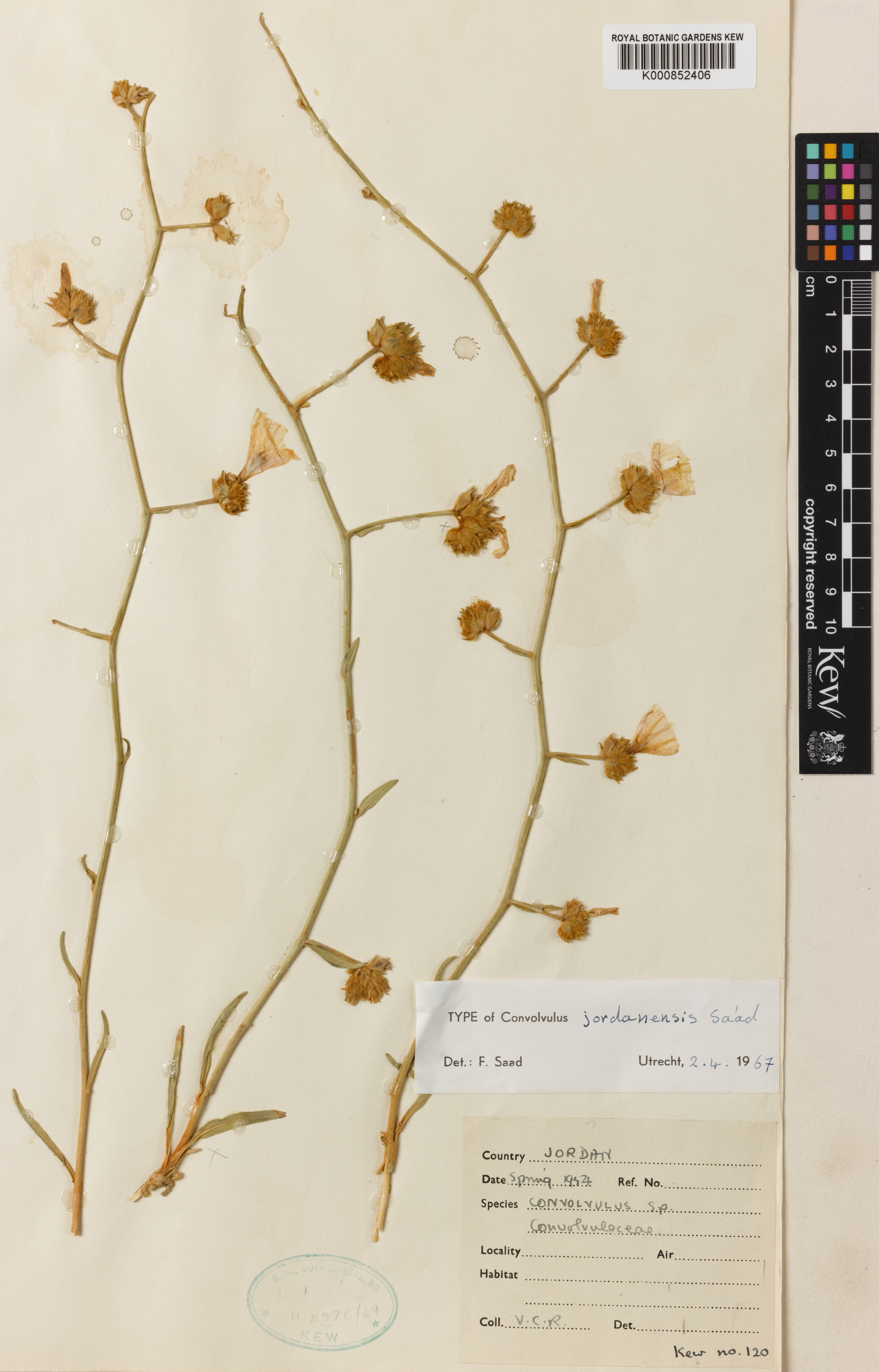
Image: Robertson, V.C. (cc-by)
NameConvolvulus jordanensis
Scientific NameConvolvulus jordanensis Sa'ad
Plant FamilyConvolvulaceae
Natural HabitatNative to arid and semi-arid desert environments, specifically found in regions like Wadi Rum in Jordan, growing on sandy or rocky soils.
Parts Usedwhole_plant,leaf,flower
Medicinal Actionsanti-inflammatory, antioxidant, astringent
Traditional UsesWhile specific traditional uses for *Convolvulus jordanensis* are not widely documented, other species within the *Convolvulus* genus have been traditionally used for their anti-inflammatory and astringent properties, often applied topically for skin conditions or wounds, and sometimes internally as general tonics.
Active Constituentsresin glycosides, flavonoids, phenolic compounds
Preparation Methodsinfusion, decoction, powder
Contraindications & WarningsDue to the presence of resin glycosides in the genus, which can have strong purgative effects, caution is advised. Potential contraindications include pregnancy, breastfeeding, intestinal obstruction, and prolonged use. Consult a healthcare professional before use.
Cultivation NotesPrefers full sun and well-drained, sandy or rocky soils. It is drought-tolerant and adapted to arid conditions, requiring minimal water once established.
Rarityuncommon
Description
This herbaceous plant features slender, branching stems with small, linear to narrowly lanceolate leaves. It produces funnel-shaped flowers, typically pale yellow or cream, which are often solitary or in small clusters and subtended by prominent, hairy bracts.