Common Morning-Glory
NameCommon Morning-Glory
Scientific NameIpomoea purpurea
Common NamesCommon Morning-Glory, Purple Morning Glory, Tall Morning Glory, Grandpa's Whiskers
Plant FamilyConvolvulaceae
Natural HabitatNative to tropical and subtropical regions of the Americas, it is now widely naturalized globally. It thrives in disturbed soils, fields, roadsides, and gardens, often considered a weed.
Parts Usedseed,leaf
Traditional UsesTraditionally, the seeds were used by indigenous cultures for their strong purgative (laxative) effects and in spiritual rituals for their psychoactive properties. The leaves have also been used as a mild laxative and for skin conditions.
Active ConstituentsLysergic acid amide (LSA), Ergine, Chanoclavine, Elymoclavine, Ipomine, Resin glycosides
Preparation Methodsinfusion, powder
Contraindications & WarningsAll parts of the plant, especially the seeds, are considered toxic if ingested in significant amounts. Contraindicated for pregnant or breastfeeding women, children, and individuals with liver or kidney conditions. Can cause severe gastrointestinal distress, nausea, vomiting, diarrhea, and hallucinations. May interact with psychiatric medications.
Cultivation NotesEasily grown from seed in full sun and well-drained soil. Requires a support structure like a trellis or fence for its climbing habit. Can self-seed aggressively and become invasive in suitable climates.
Raritycommon
Description
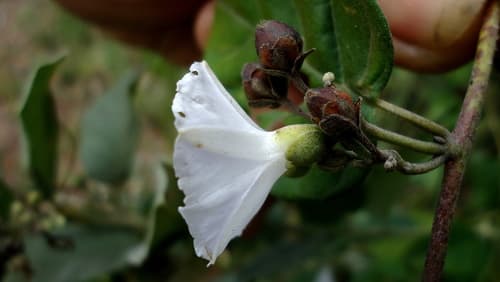
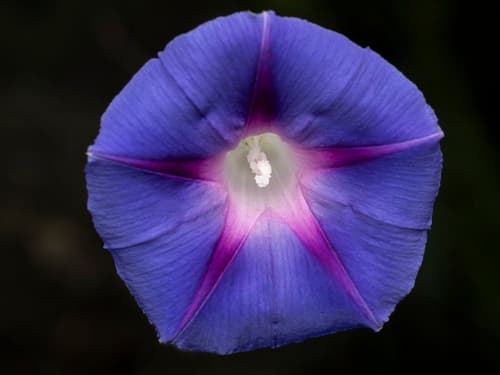
A vigorous annual climbing vine characterized by heart-shaped leaves and showy, trumpet-shaped flowers that unfurl in the morning. Flowers are typically blue, purple, or pink, often with a contrasting white or yellow throat.