Cinnamon
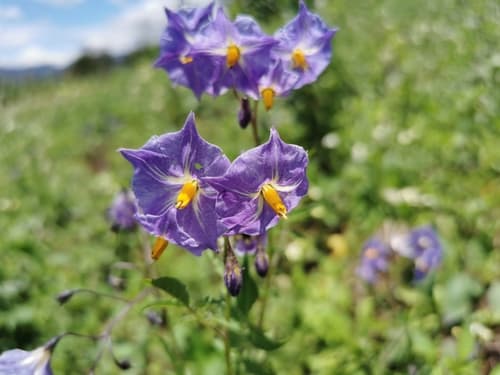
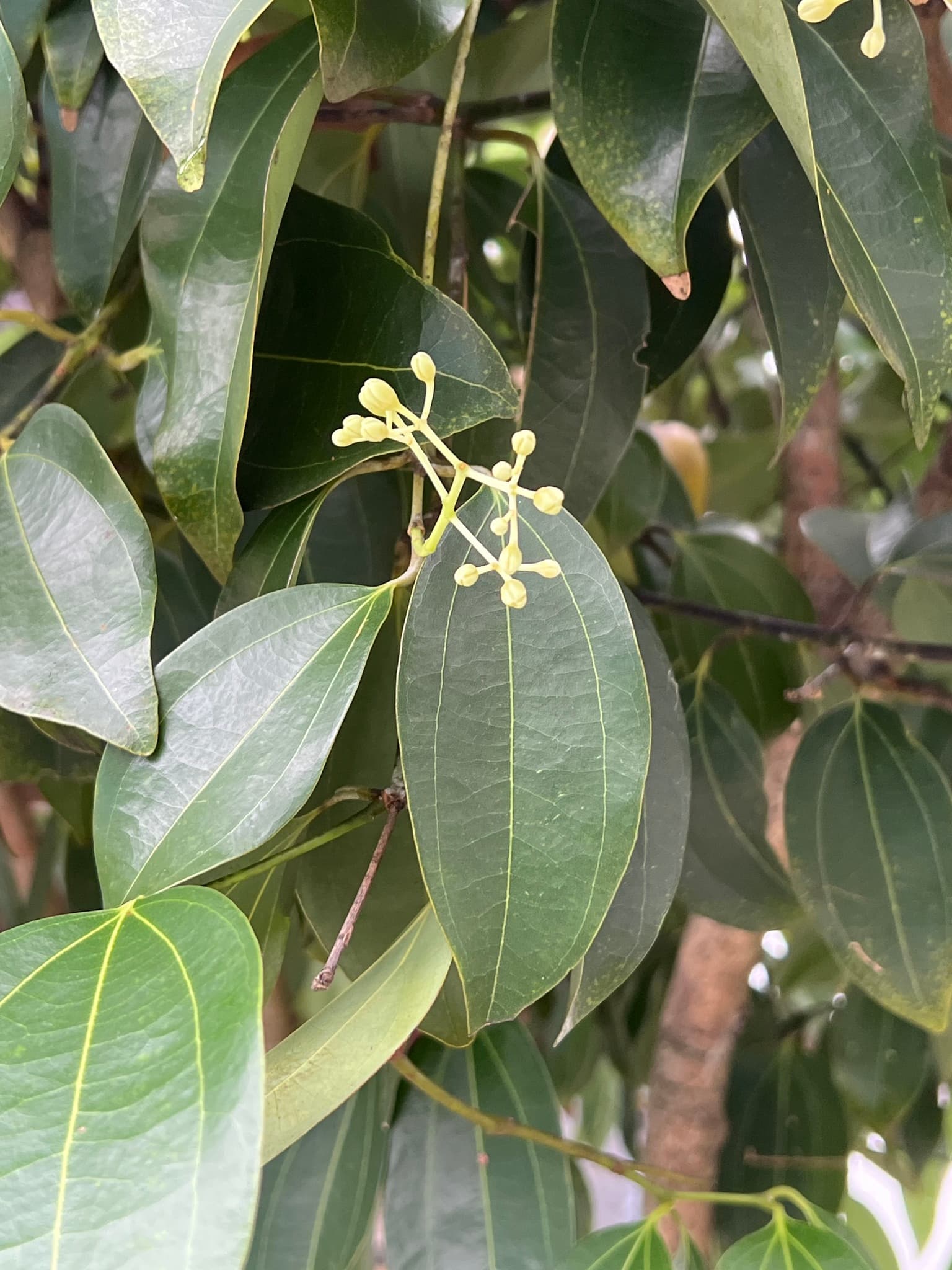
Image: zchau99 (cc-by-nc)
NameCinnamon
Scientific NameCinnamomum verum J.Presl
Common NamesCeylon Cinnamon, True Cinnamon, Sri Lanka Cinnamon
Plant FamilyLauraceae
Natural HabitatNative to Sri Lanka and southern India, it thrives in tropical climates with high humidity and well-drained soil, often found in rainforest understories or cultivated plantations.
Parts Usedbark,leaf
Medicinal Actionsanti-inflammatory, antimicrobial, antioxidant, carminative
Traditional UsesTraditionally used to aid digestion, relieve flatulence, treat colds and flu, regulate blood sugar, and as an anti-inflammatory agent. It has also been used as a warming spice and stimulant.
Active ConstituentsCinnamaldehyde, Eugenol, Cinnamic acid, Linalool
Preparation Methodsinfusion, decoction, powder, essential oil
Contraindications & WarningsHigh doses may cause liver damage, especially with prolonged use. May interact with blood-thinning medications, diabetes medications, and liver-metabolized drugs. Avoid in pregnancy in large amounts.
Cultivation NotesPrefers warm, humid, tropical climates with well-drained, fertile soil. Requires partial shade when young, full sun when mature. Can be grown from seed or cuttings, with bark harvested from coppiced stems.
Raritycommon
Description
Cinnamomum verum is an evergreen tree characterized by its glossy, ovate-lanceolate leaves with prominent venation, and small, pale yellow flowers arranged in panicles. The inner bark is harvested and dried to form the familiar cinnamon quills.