Cestrum stuebelii
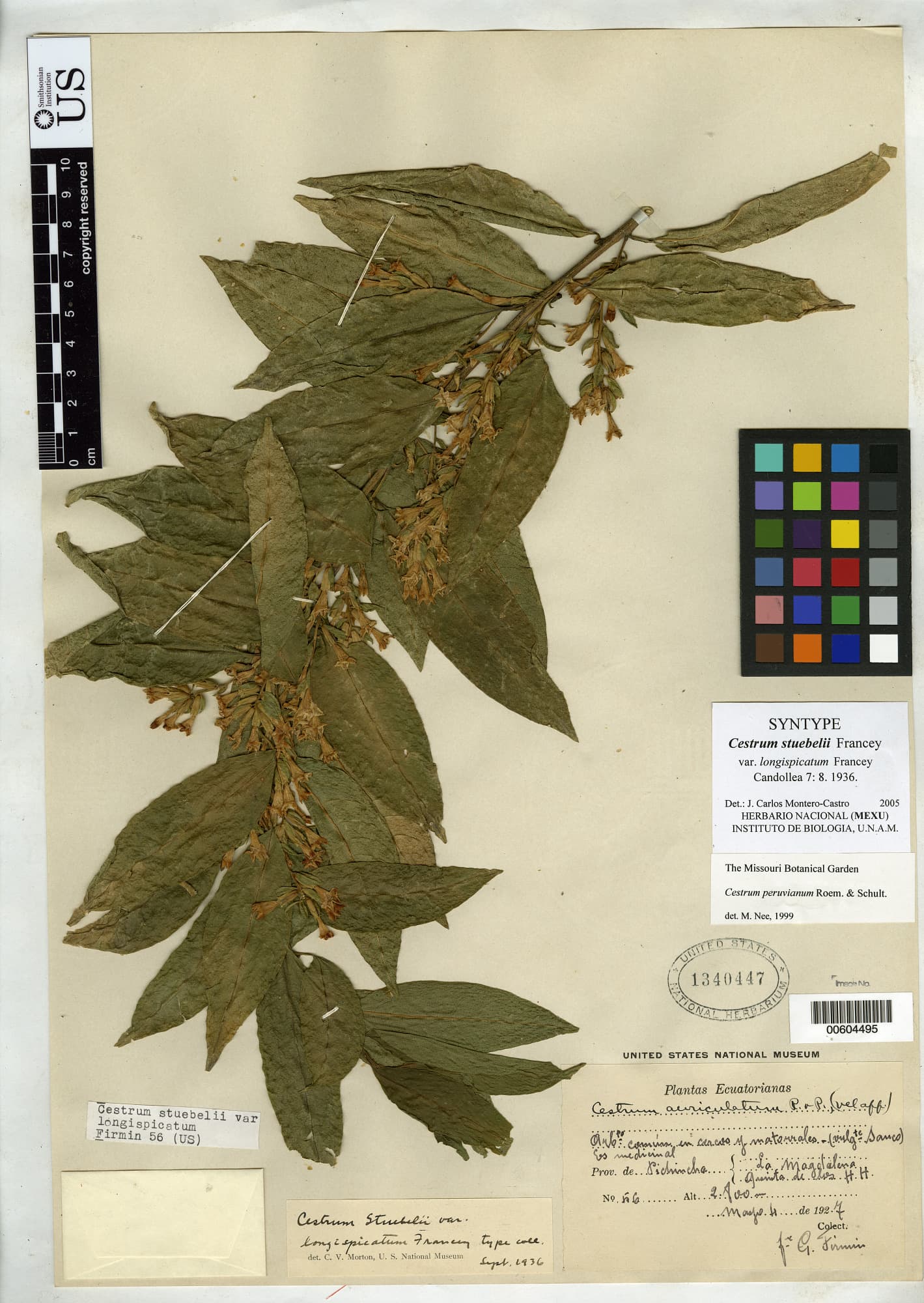
Image: Ingrid P. Lin (cc0)
NameCestrum stuebelii
Scientific NameCestrum stuebelii
Common NamesQuishinche, Jessamine
Plant FamilySolanaceae
Natural HabitatNative to the Andean regions of Ecuador, particularly noted in Pichincha province. It typically grows in shrubby areas, hedges, or forest edges, often found in disturbed habitats.
Parts Usedleaf,flower
Medicinal Actionsanalgesic, anti-inflammatory, antimicrobial
Traditional UsesTraditionally used in Ecuadorian folk medicine, specifically noted for its analgesic properties to relieve pain ('para el dolor'). Given the genus, it is likely used externally or with extreme caution internally due to potential toxicity.
Active ConstituentsSteroidal saponins, Alkaloids, Flavonoids
Preparation Methodsinfusion, decoction, poultice
Contraindications & WarningsAll Cestrum species are generally considered toxic, especially if ingested. They contain steroidal saponins and alkaloids which can cause gastrointestinal upset, neurological symptoms, and cardiac effects. Not recommended for internal use without expert supervision. Avoid during pregnancy and lactation.
Cultivation NotesThrives in tropical to subtropical climates. Prefers well-drained soil and can tolerate full sun to partial shade. Can be propagated from seeds or cuttings.
Rarityuncommon
Description
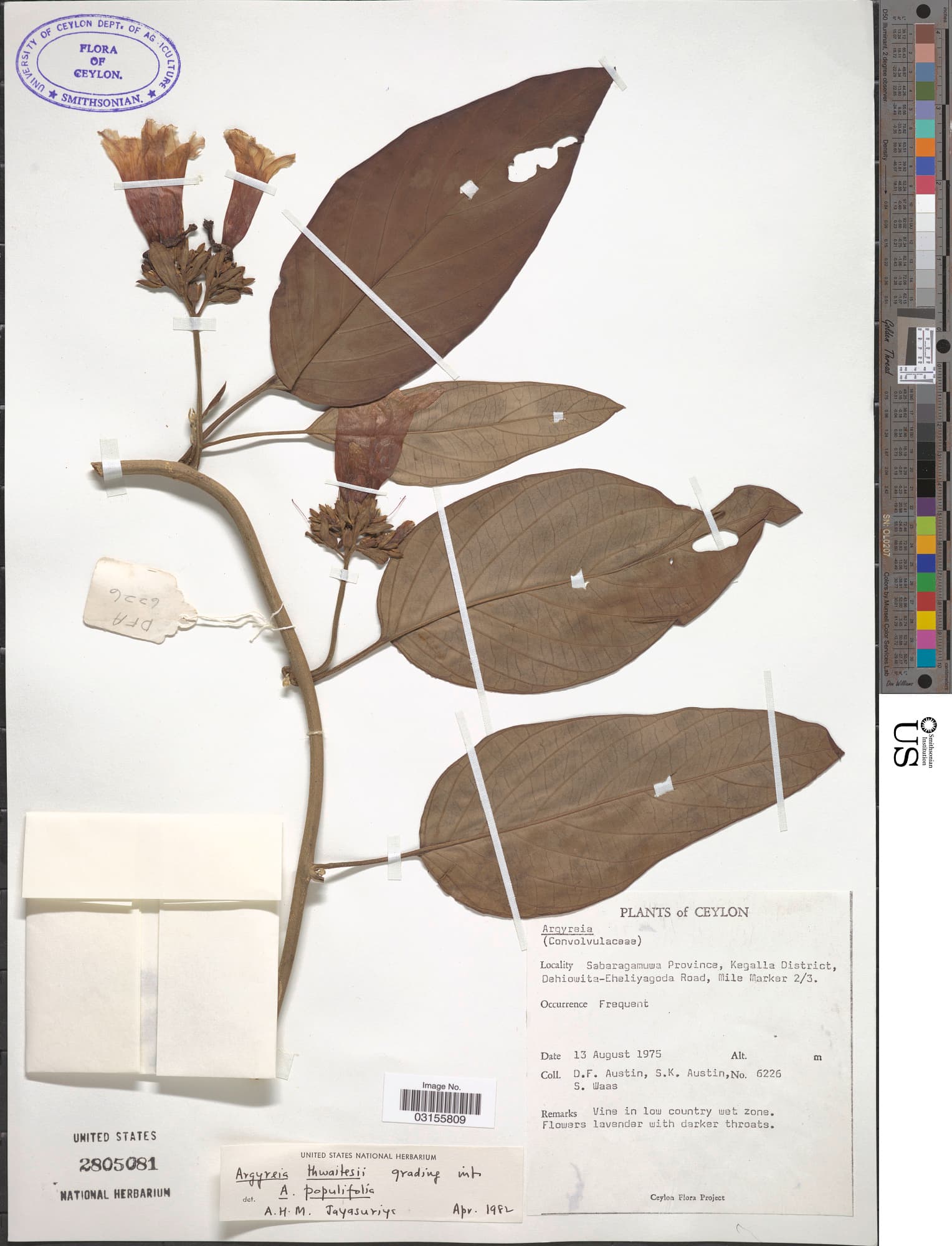
Cestrum stuebelii is a woody shrub or small tree, characterized by its alternate, simple, ovate-lanceolate leaves and terminal or axillary clusters of tubular, often yellowish or greenish flowers. The herbarium specimen displays dried foliage and inflorescences.