Cestrum jacaltenanginum
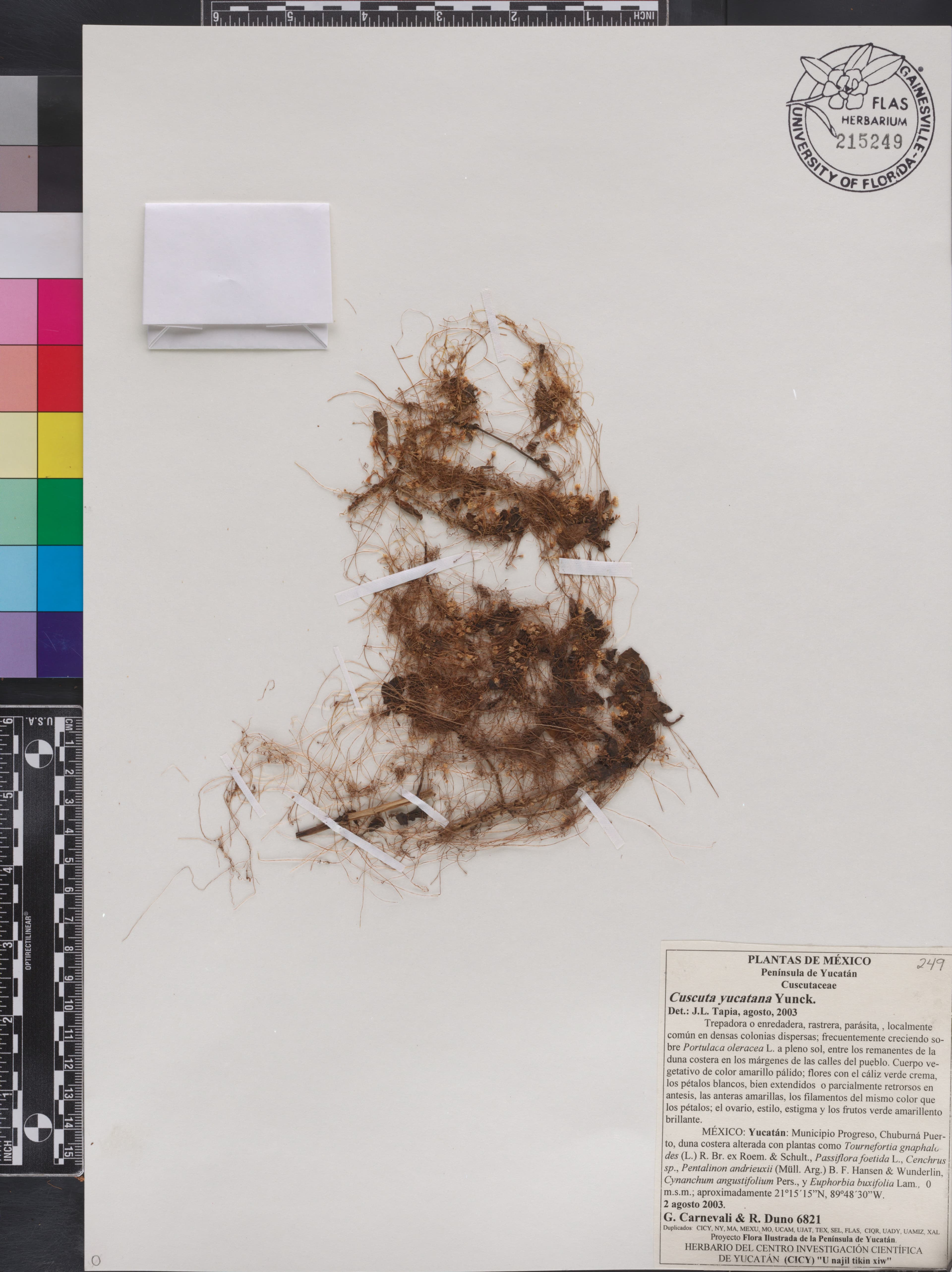
Image: Meise Botanic Garden (cc-by)
NameCestrum jacaltenanginum
Scientific NameCestrum jacaltenanginum
Common NamesJacaltenango Jessamine, Poisonberry (general Cestrum)
Plant FamilySolanaceae
Natural HabitatNative to montane regions of Guatemala, particularly around Jacaltenango, growing in forests and sometimes disturbed areas.
Parts Usedleaf,bark
Medicinal Actionsanalgesic, anti-inflammatory, antimicrobial
Traditional UsesTraditionally, some Cestrum species have been used externally in poultices for pain relief, inflammation, and skin ailments. Internal use is highly cautioned due to the plant's toxic nature, and specific uses for Cestrum jacaltenanginum are not widely documented.
Active Constituentssteroidal saponins, alkaloids, steroidal glycosides
Preparation Methodspoultice, decoction
Contraindications & WarningsAll parts of Cestrum species are generally considered toxic, especially the berries, and can cause gastrointestinal and neurological symptoms. Avoid internal use, especially by pregnant women, children, and individuals with liver/kidney conditions. Consult a qualified expert before any use.
Cultivation NotesPrefers full sun to partial shade, well-drained soil, and warm, humid climates. Can be propagated from seeds or cuttings.
Rarityuncommon
Description
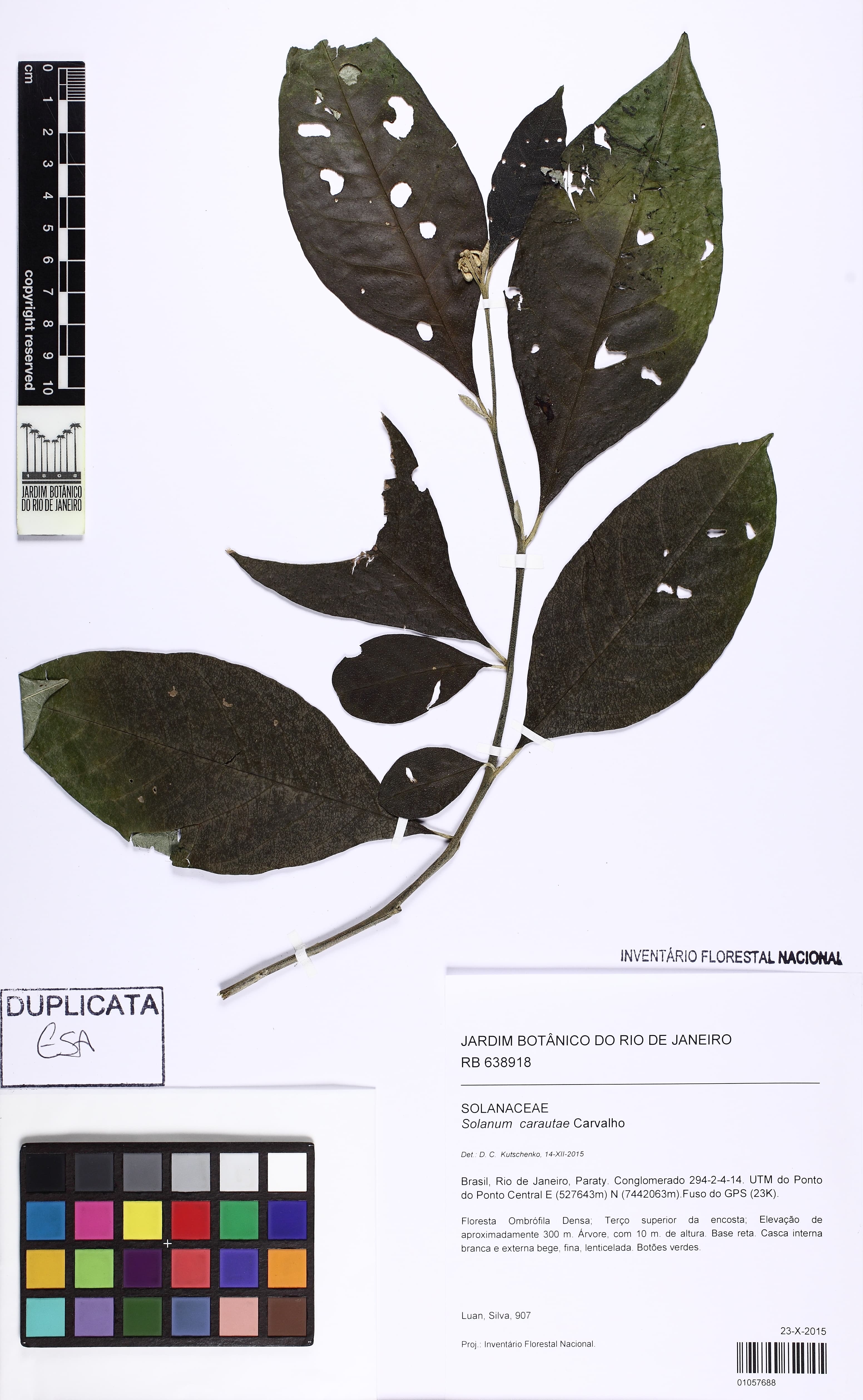
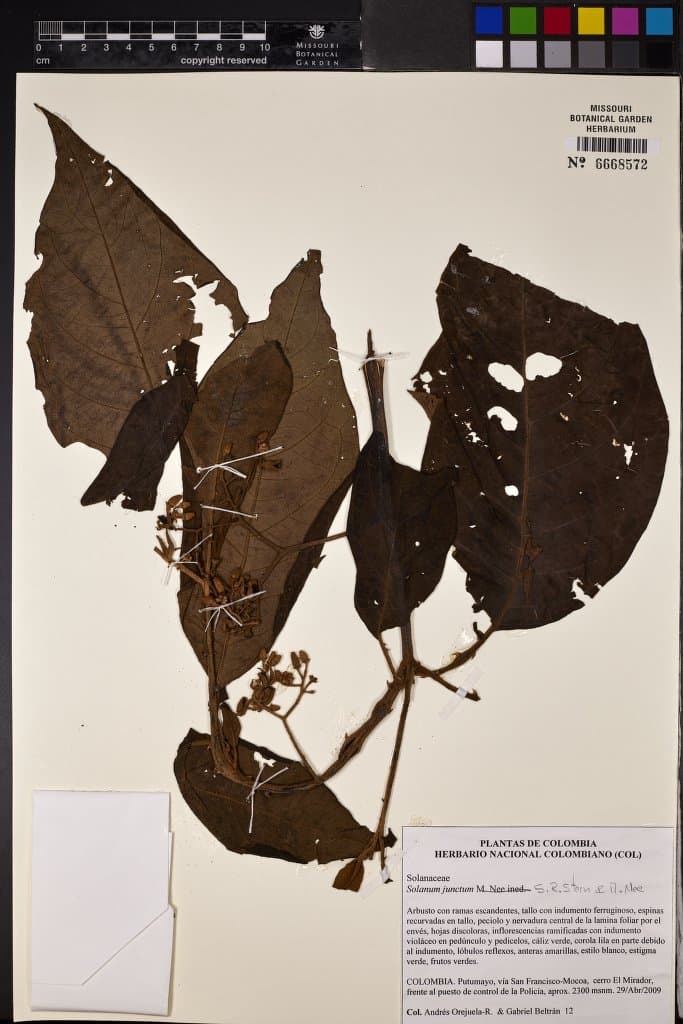
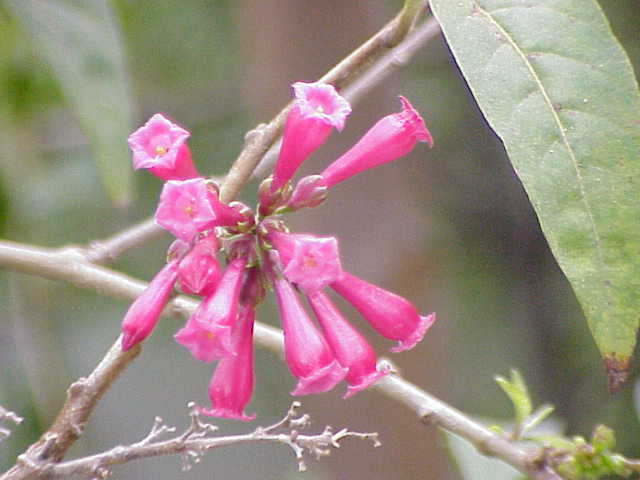
Cestrum jacaltenanginum is a shrub or small tree, typically characterized by simple, alternate leaves. Like other Cestrum species, it likely produces tubular flowers and small berries, though these are not visible on the dried herbarium specimen.