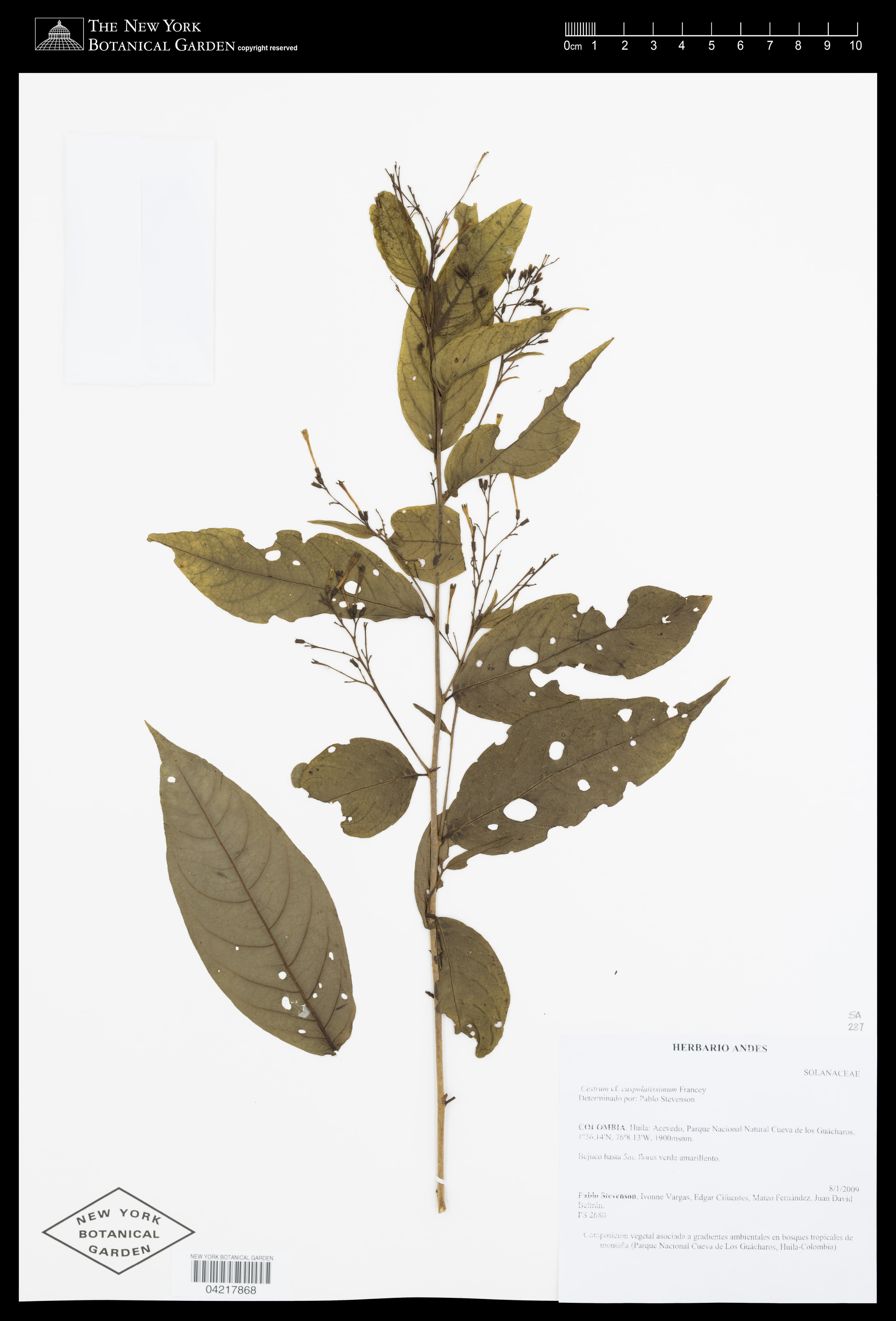
Cestrum cuspidatissimum
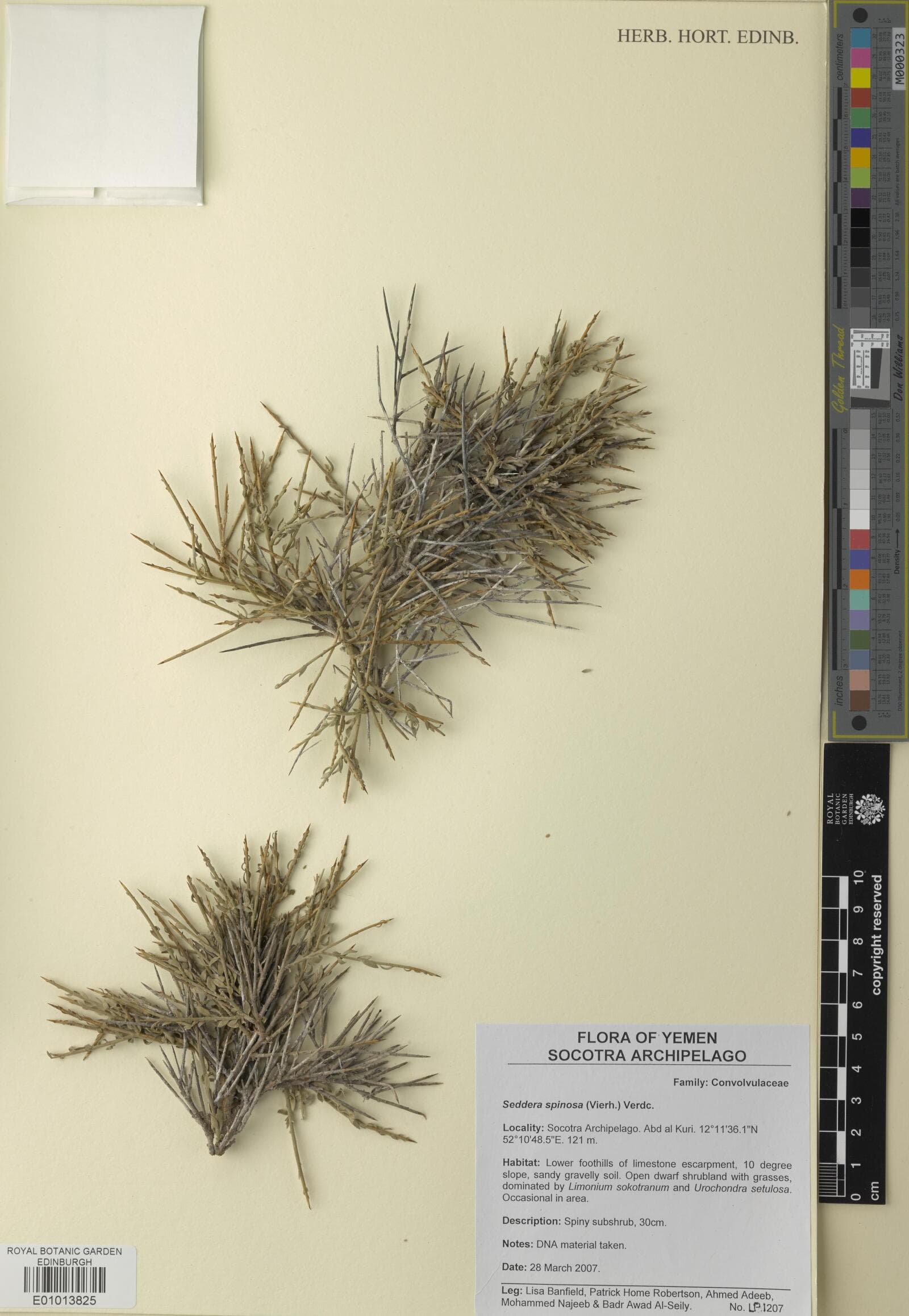
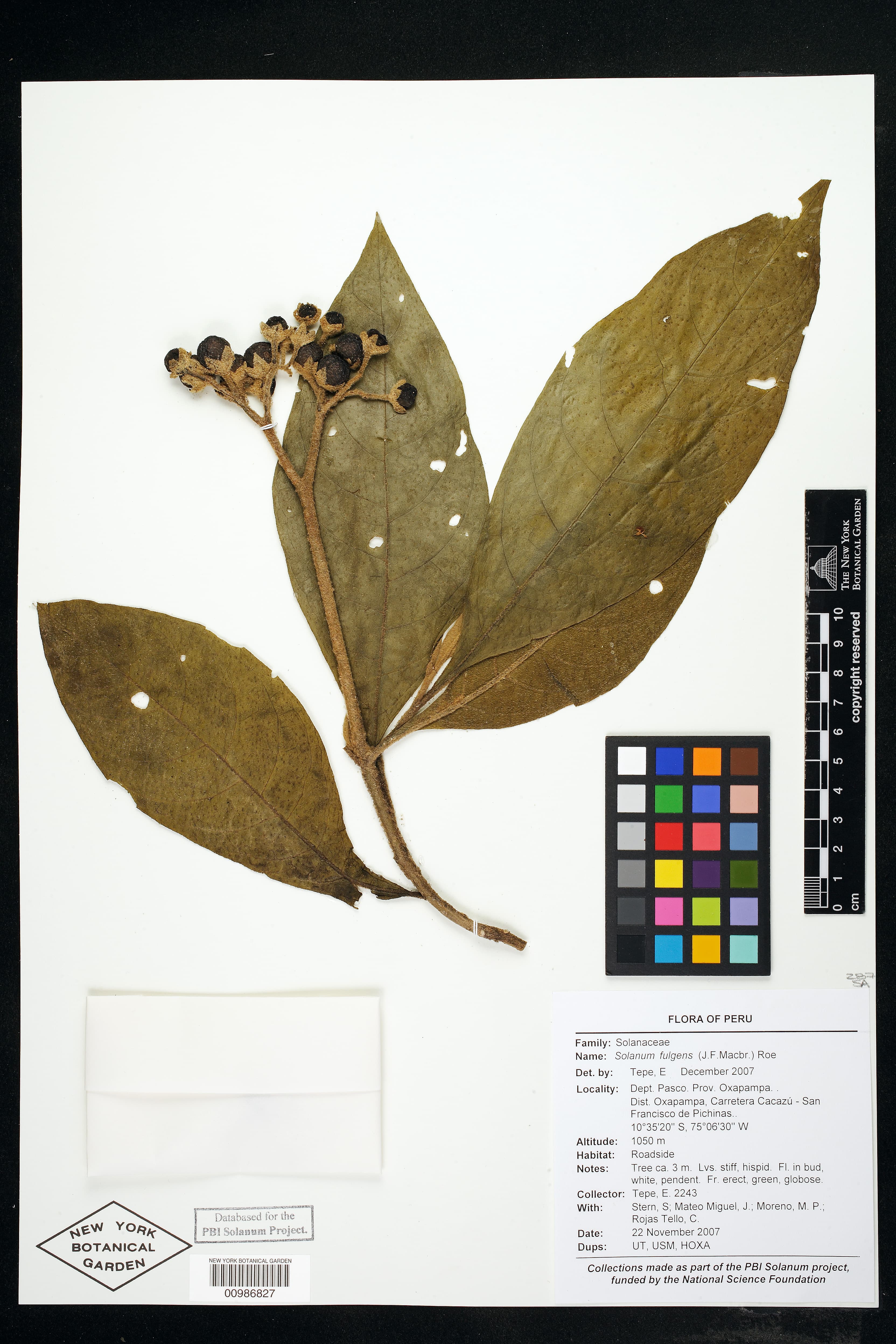
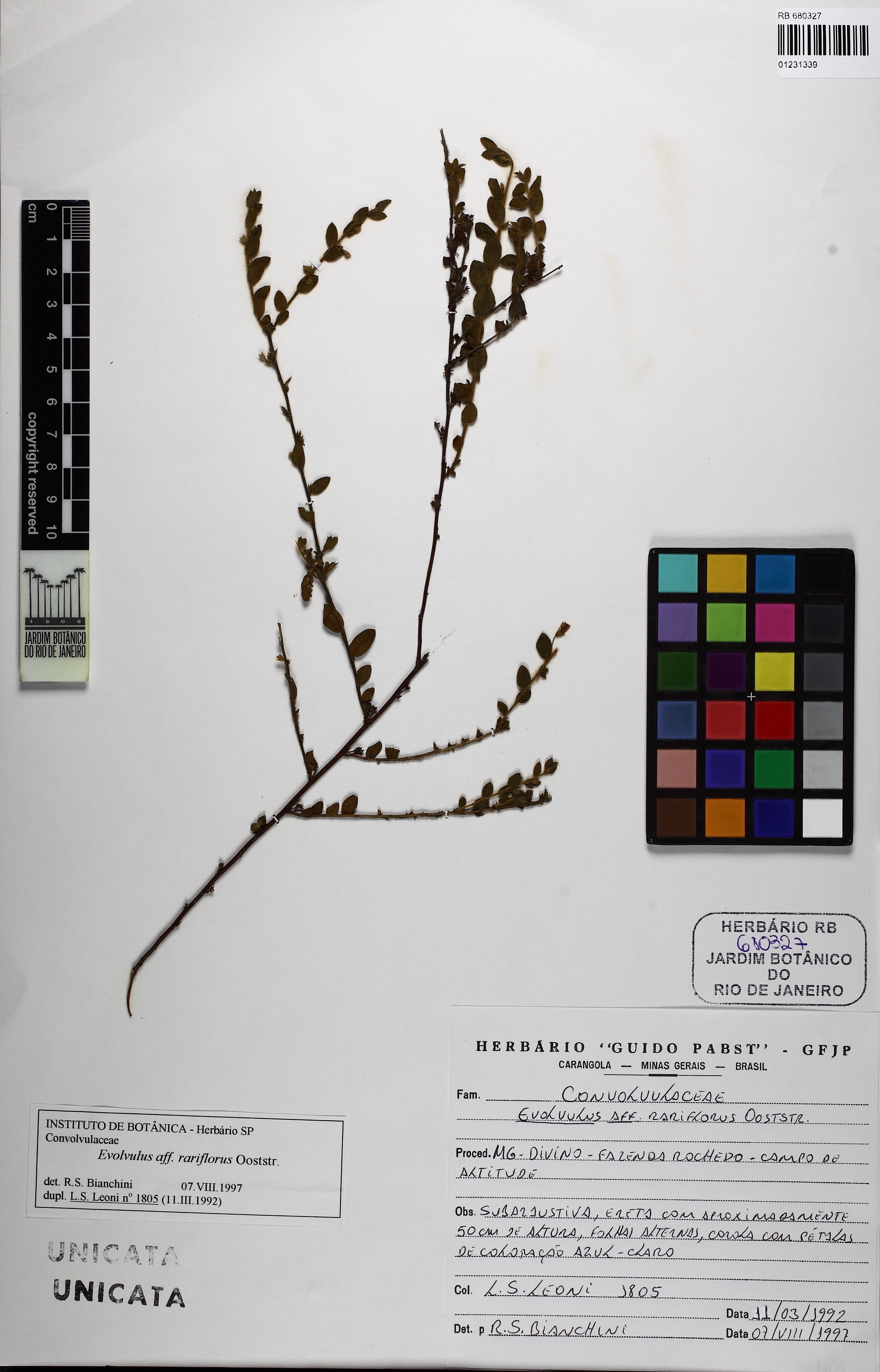
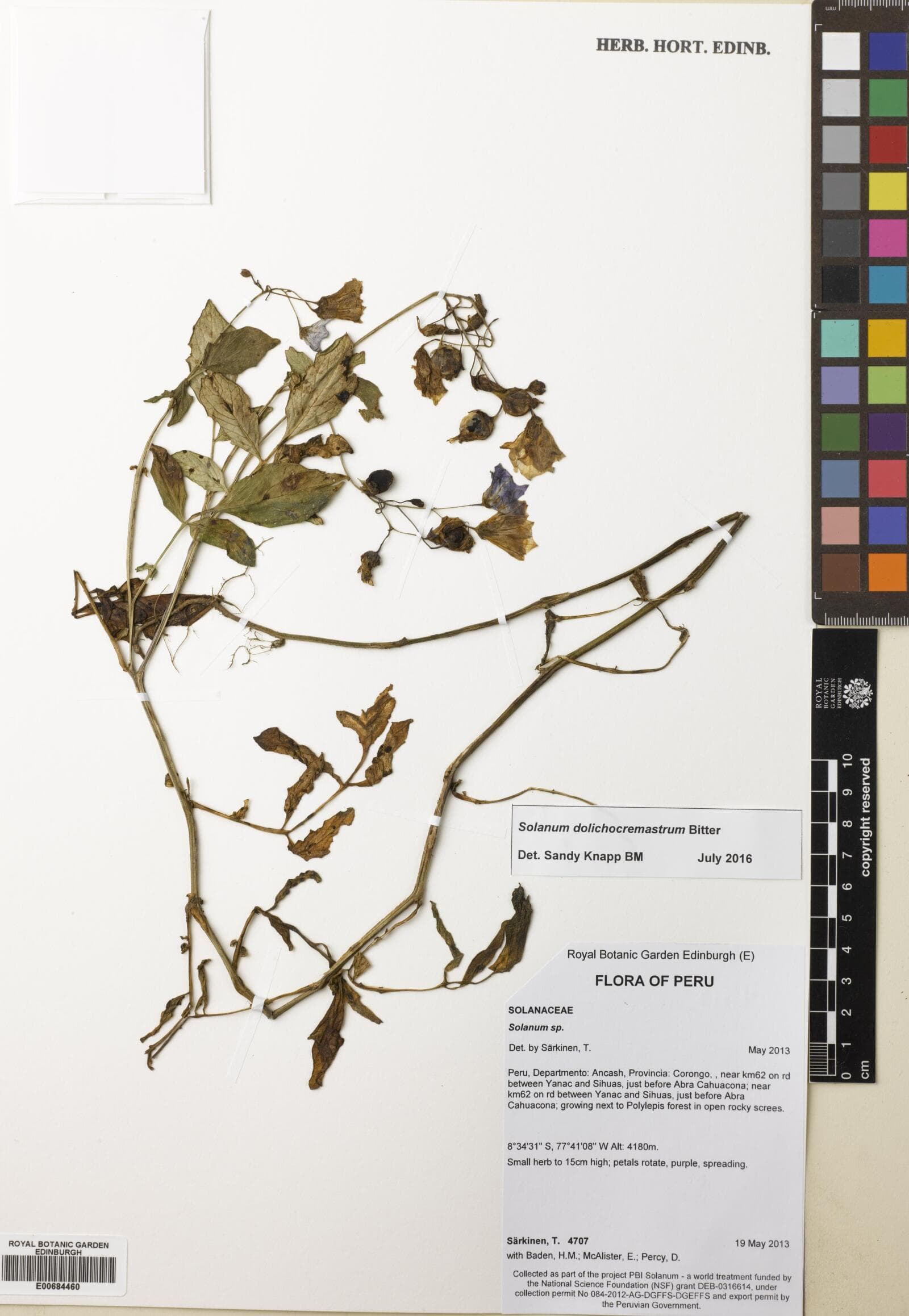
Image: The New York Botanical Garden (cc-by)
NameCestrum cuspidatissimum
Scientific NameCestrum cuspidatissimum
Plant FamilySolanaceae
Natural HabitatNative to montane tropical forests of the Andes, specifically documented in the Parque Nacional Natural Cueva de los Guácharos in Huila, Colombia, at elevations around 1900 meters above sea level.
Parts Used
Traditional UsesNo widely documented traditional medicinal uses are known for Cestrum cuspidatissimum. The genus Cestrum is generally considered toxic.
Active ConstituentsSteroidal glycoalkaloids, Saponins
Contraindications & WarningsAll parts of Cestrum species, including Cestrum cuspidatissimum, are generally considered toxic due to the presence of steroidal glycoalkaloids. Ingestion can cause severe gastrointestinal upset, neurological symptoms, and can be fatal, especially to livestock and children. Avoid internal use.
Cultivation NotesThis species thrives in subtropical to tropical montane climates, preferring well-drained soils and moderate to high humidity. It is sensitive to frost and requires conditions similar to its native Andean habitat.
Rarityuncommon
Description
A small woody plant or shrub, growing up to 5 meters tall, characterized by alternate, simple leaves with entire margins. It produces yellowish-green flowers, typically found in axillary or terminal clusters.