Capsicum friburgense
NameCapsicum friburgense
Scientific NameCapsicum friburgense
Common NamesFriburgo Pepper, Wild Brazilian Chili
Plant FamilySolanaceae
Natural HabitatEndemic to the Atlantic Forest biome of southeastern Brazil, thriving in humid, shaded understory environments, particularly in mountainous regions.
Parts Usedflower,leaf,fruit
Medicinal Actionsantioxidant, anti-inflammatory, analgesic
Traditional UsesWhile specific traditional medicinal uses for Capsicum friburgense are not widely documented, other Capsicum species are traditionally used for their analgesic properties (topical application for pain), digestive stimulation, and as a source of vitamins. Its fruits may be consumed locally.
Active ConstituentsCapsaicinoids, Flavonoids, Carotenoids, Vitamin C
Preparation Methodsinfusion, powder, tincture
Contraindications & WarningsDue to potential capsaicin content, topical application may cause skin irritation. Oral consumption in large quantities might lead to gastrointestinal upset. Interactions with blood-thinning medications are possible.
Cultivation NotesPrefers humid, shaded conditions with rich, well-drained soil, mimicking its native Atlantic Forest understory environment. Requires consistent moisture and protection from direct, harsh sunlight.
Rarityrare
Description
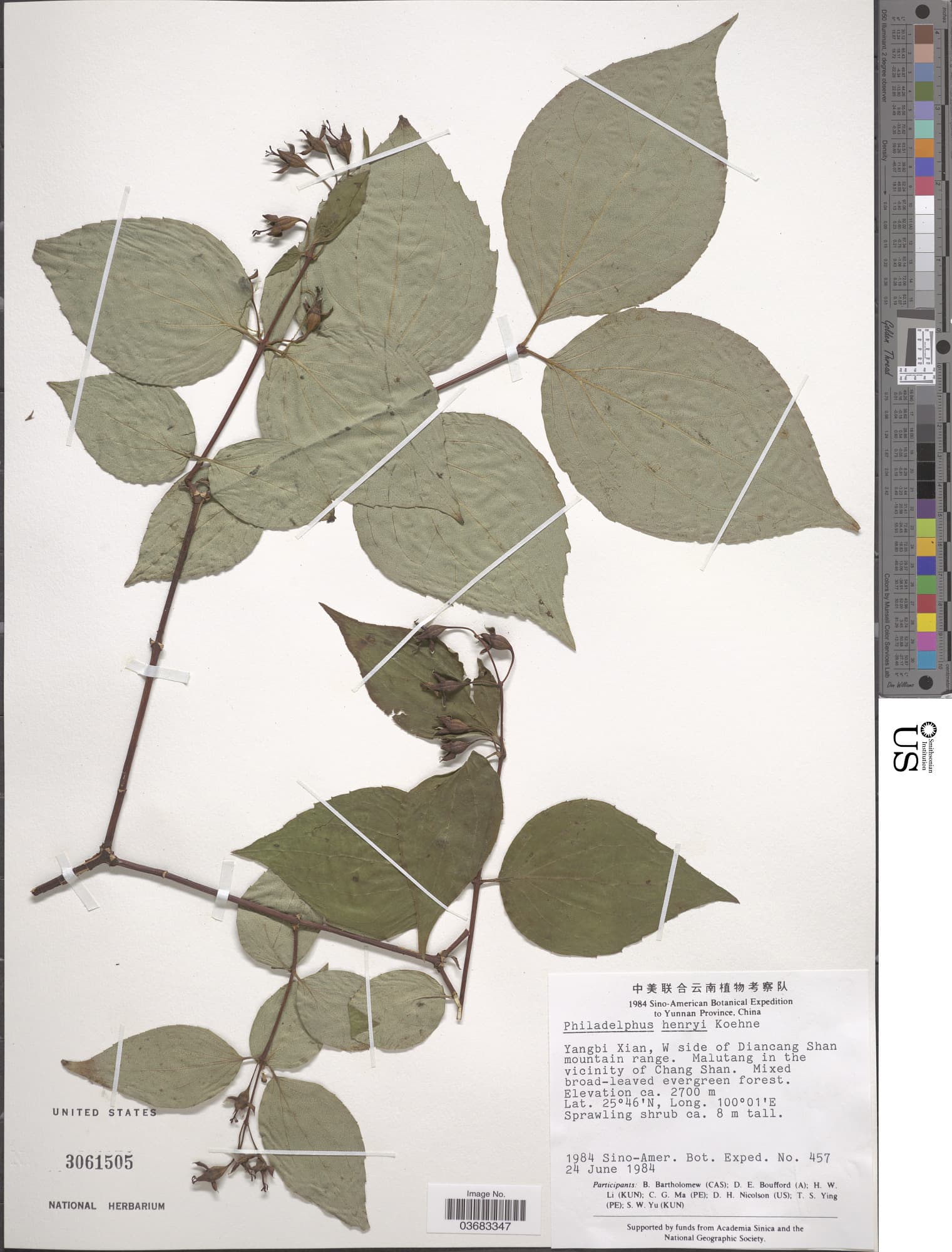
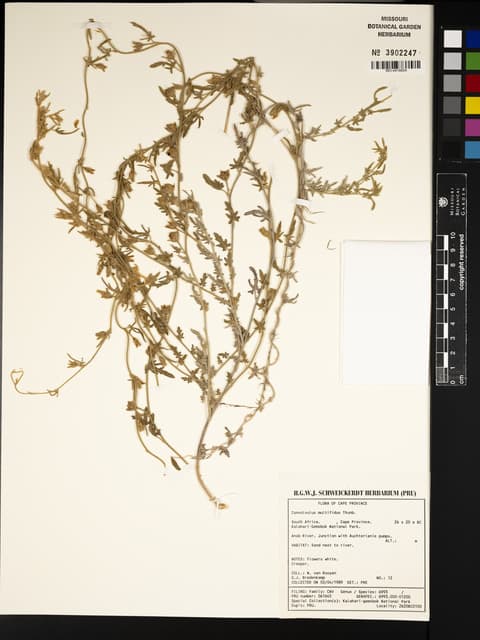
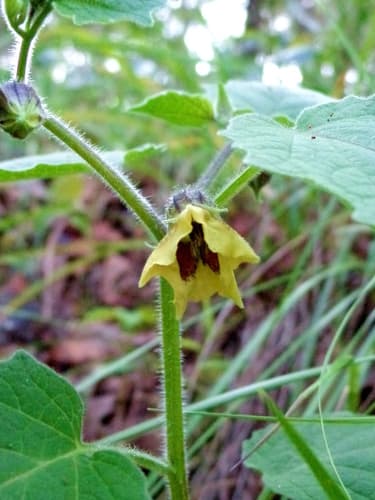
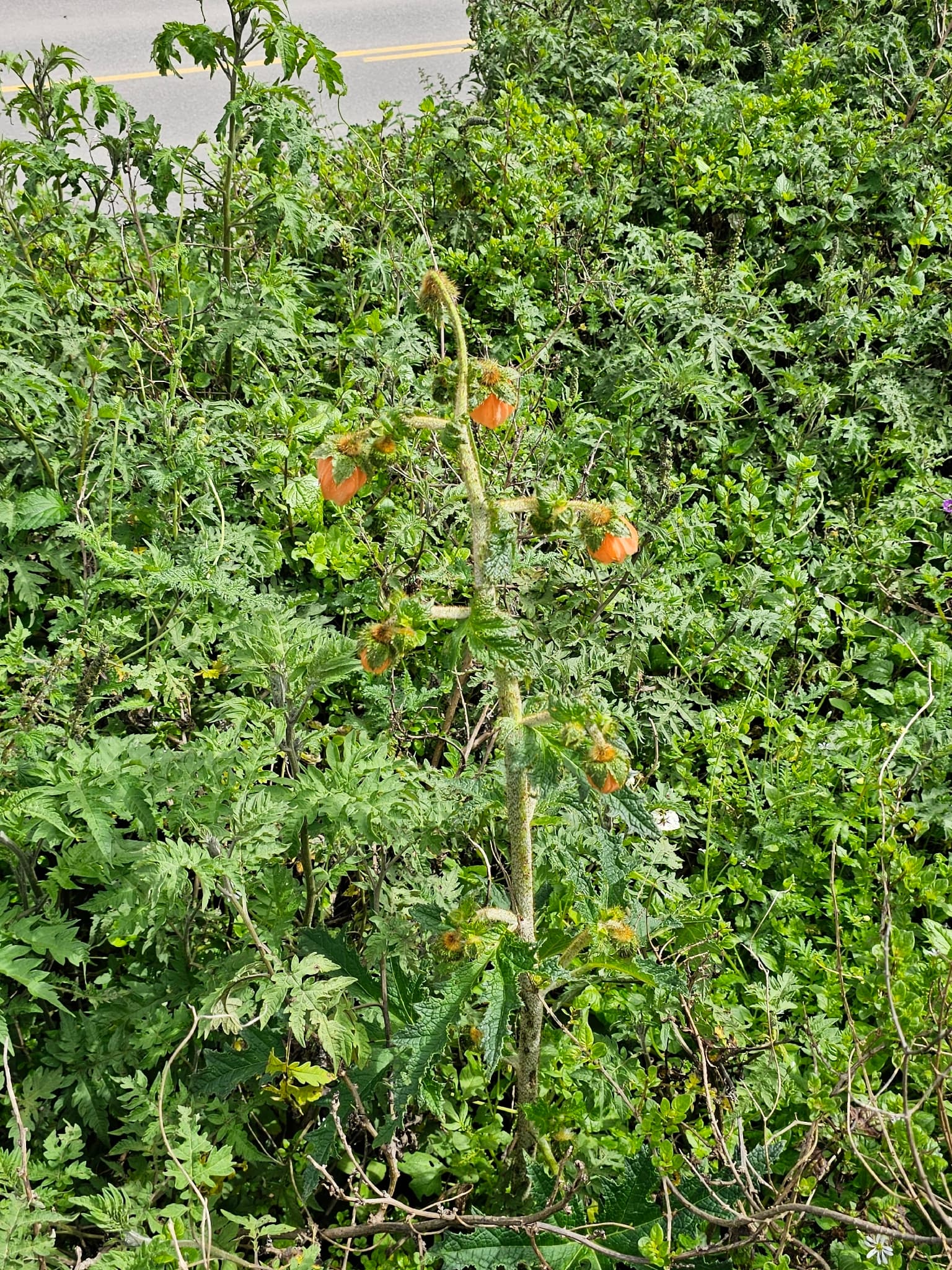
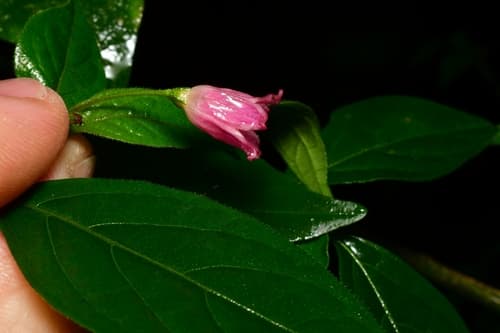
A wild species of chili pepper native to Brazil, characterized by its dark green, often pubescent leaves and small, pendulous pinkish-purple flowers. It typically grows as a shrub or small tree in its native habitat.